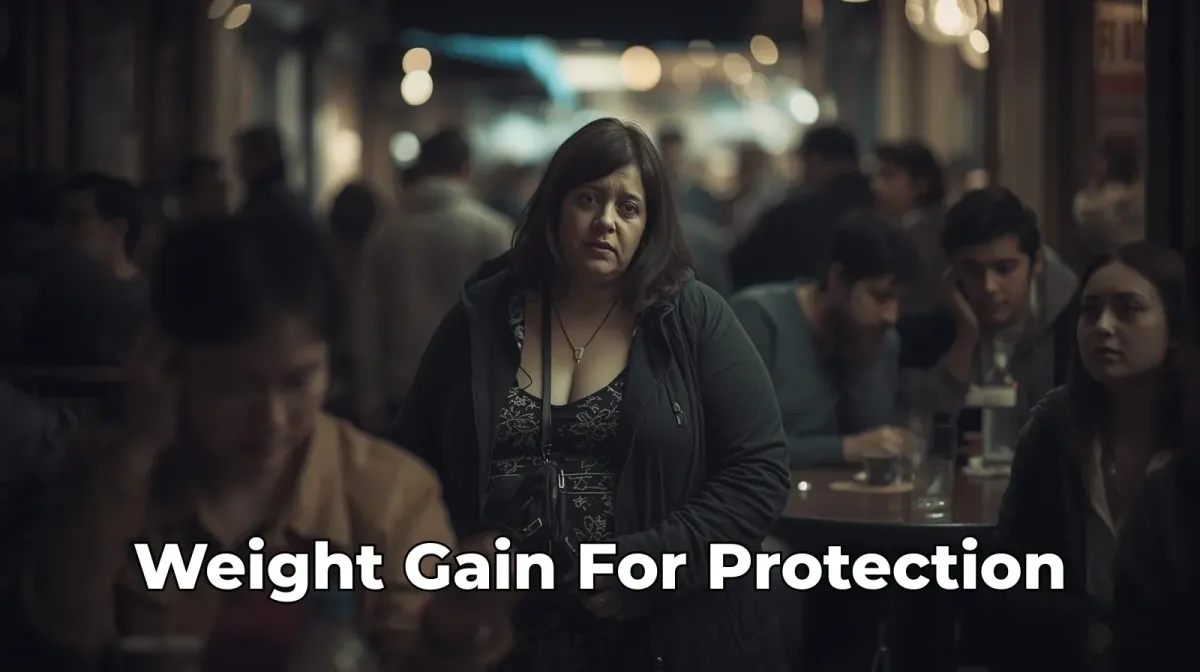
Weight Gain as Protection: A Compassionate Perspective
Yes, weight gain can sometimes be experienced as a form of emotional protection, particularly by people who have lived through difficult relationships, prolonged stress or experiences that left them feeling vulnerable. However, this does not mean the body deliberately stores fat to protect us from emotional pain.
For some people, a larger body may feel like a barrier against unwanted attention or a source of comfort during uncertain times. Others may turn to food for reassurance when life feels overwhelming, gradually developing eating patterns that contribute to weight gain.
These experiences are deeply personal. They do not mean that everyone who gains weight is carrying unresolved trauma, or that emotional protection is the reason for their weight.
Body weight is influenced by many interconnected factors, including nutrition, movement, sleep, hormones, genetics, medication and everyday circumstances. Emotional experiences may be part of that picture, but they are rarely the whole explanation.
Understanding these connections can help us move away from self-criticism and towards greater awareness. Rather than assuming our bodies are working against us, we can explore what our habits, emotions and experiences might be telling us.
This compassionate approach is also explored in our cornerstone article:
Holistic Weight Loss: A Gentle Mind-Body Approach
The aim is not to find a hidden emotional reason for every change in weight. It is to develop a healthier relationship with our bodies while making sustainable choices that support our physical and emotional wellbeing.
"Weight gain can sometimes carry a sense of emotional protection, but it is not automatically a response to trauma or stress. Understanding the relationship between emotions, eating habits and body image can help us approach lasting change with greater compassion."

When Can Weight Gain Feel Like Emotional Protection?
Weight gain can sometimes feel protective because a larger body may provide a sense of emotional security, physical presence or distance from unwanted attention. This experience is particularly relevant for some people who have lived through difficult relationships, emotional insecurity or experiences that left them feeling exposed.
For example, someone who has experienced unwanted attention because of their appearance may feel less visible at a larger body size. Another person who has struggled with personal boundaries may associate their body size with feeling more secure.
These associations are not always conscious, and they do not necessarily explain why someone has gained weight. However, they can influence how a person feels about their body and the prospect of changing it.
There is an important distinction here. Feeling protected by a larger body is a psychological experience, not proof that the body deliberately stores fat for emotional protection.
Stressful experiences can influence weight through changes in appetite, sleep, eating behaviour and daily activity. However, these effects vary between individuals, and weight gain is not an inevitable response to emotional distress.
If you recognise a protective feeling around your body size, there is no need to judge it or immediately change it. Instead, you might gently consider:
Do I feel more comfortable or less exposed at my current body size?
Have past experiences influenced how safe I feel being noticed?
What other forms of emotional support or personal boundaries might help me feel secure?
These questions are invitations to explore your experiences, not suggestions that you must uncover hidden trauma.
You can want to change your weight while still respecting the feelings and experiences associated with your body. Both can exist together.
"For some people, a larger body can provide a sense of emotional protection, particularly after difficult experiences. Recognising this connection can support greater self-understanding, but it does not mean weight gain is automatically caused by trauma or that the body deliberately stores fat for safety."
How Can The Nervous System Influence Weight Gain?
The nervous system can influence weight gain by affecting how we respond to stress, regulate appetite, experience hunger and manage everyday habits. However, this does not mean that the nervous system deliberately retains body fat to protect us from emotional harm.
When we experience stress, the sympathetic nervous system helps prepare us to respond to challenges. Stress hormones, including cortisol and adrenaline, support this response by making energy available and increasing alertness.
This is a normal and important biological process. Difficulties can arise when stress becomes persistent and begins affecting our sleep, eating patterns, physical activity and general wellbeing.
For example, someone experiencing prolonged emotional pressure may find themselves:
Feeling hungrier than usual or experiencing stronger food cravings.
Turning to familiar foods for comfort or reassurance.
Sleeping poorly and feeling too tired for their usual activities.
Finding it more difficult to maintain consistent meals and healthy routines.
Over time, these changes may contribute to weight gain. However, stress does not affect everyone in the same way. Some people experience reduced appetite or lose weight during stressful periods.
It is also important to recognise that nervous system regulation is not a biological requirement that must be achieved before weight loss can happen.
Practices such as gentle movement, breathing exercises, regular sleep routines and emotional support can help people manage stress and maintain healthier habits. Their value lies in supporting overall wellbeing, rather than instructing the body to release stored fat.
If you would like to understand these connections more deeply, our related article explores how the nervous system influences stress, appetite and sustainable weight management.
The Nervous System's Role In Weight Loss
Understanding these processes can help us approach weight management with greater patience. Rather than treating every difficulty as a lack of discipline, we can consider how our circumstances, stress levels and daily experiences may be influencing our choices.
"The nervous system can influence weight gain through its effects on stress, appetite, sleep and everyday behaviour. Supporting nervous system regulation may make healthy habits easier to maintain, but the body does not need to feel completely safe before weight loss can occur."
How Can Emotional Experiences Influence Our Relationship With Body Weight?
Emotional experiences can influence how we feel about our body weight, particularly when we associate our appearance with safety, acceptance or vulnerability. For some people, a larger body may feel reassuring, even when they would also like to lose weight.
Experiences such as grief, difficult relationships, unwanted attention or prolonged emotional insecurity can shape the way we see ourselves.
For example, someone who has received unwanted attention because of their appearance may feel uncomfortable at the thought of becoming more visible through weight loss. Another person may associate their current body size with a period when they developed greater independence or stronger personal boundaries.
These feelings can be meaningful, but they do not establish that emotional experiences caused the weight gain.
There is a difference between understanding what our body size means to us and assuming that our body deliberately created that size for protection.
Sometimes, the emotional connection is less about body size itself and more about the comfort found in eating. Food may have provided reassurance during loneliness, exhaustion or difficult periods of life. Over time, these patterns can become familiar ways of responding to emotional needs.
If this resonates, it may help to consider what emotional support would make your current relationship with food and your body feel more comfortable.
This might involve establishing healthier personal boundaries, seeking support from someone you trust or finding additional ways to manage difficult emotions.
There is no need to revisit painful experiences simply to pursue weight loss. For those who find that past experiences continue to cause distress, appropriate professional support may be helpful.
The intention is to develop greater emotional awareness while remembering that you can care for your emotional wellbeing and make practical changes to your health at the same time.
"Past experiences can influence how safe, comfortable or visible we feel in our bodies. Exploring these feelings with compassion can support healthier choices, but emotional vulnerability does not automatically explain why someone has gained weight."
Why Can Shame Make Weight Loss More Difficult?
Weight-related shame can make weight loss more difficult by increasing emotional distress, undermining confidence and encouraging unhealthy eating patterns. When people feel judged because of their body size, making sustainable changes can become more emotionally challenging.
Shame often develops through repeated criticism, unrealistic beauty standards or previous experiences of unsuccessful dieting. Over time, these experiences can influence how we think about food, exercise and our bodies.
For example, someone who feels guilty after eating may respond by restricting food the following day. That restriction can increase hunger and cravings, potentially leading to further overeating and renewed feelings of guilt.
This can create a difficult cycle:
Weight-related criticism increases feelings of shame.
Shame contributes to stress and emotional discomfort.
Food may become a source of temporary comfort.
Subsequent guilt encourages further restriction or self-criticism.
Shame does not motivate everyone in the same way, but it can make healthy habits harder to maintain.
For people who already associate their body size with emotional protection, criticism may also reinforce feelings of vulnerability. However, this does not mean shame directly causes the body to retain fat.
A more compassionate approach involves separating body weight from personal worth. You can acknowledge a desire to improve your health without treating your current body as something unacceptable.
Instead of asking, “Why have I failed again?”, consider asking, “What made this difficult, and what support might help me move forward?”
This shift encourages curiosity rather than punishment. It also creates room for realistic goals, nourishing meals, enjoyable movement and habits that can be maintained through life's challenges.
Our related article explores how restrictive dieting and cycles of self-criticism can make lasting weight management more difficult.
Why Diets Don't Work For Long-Term Weight Loss
Compassion does not mean abandoning personal responsibility. It means recognising that lasting change is more likely to be supported by understanding, consistency and practical choices than by shame.
"Weight-related shame can increase emotional distress and make healthy habits more difficult to maintain. Replacing self-criticism with compassion and realistic choices can support a healthier relationship with food, body image and sustainable weight management."
How Can Emotional Eating Contribute To Weight Gain?
Emotional eating can contribute to weight gain when food becomes a regular way of managing stress, loneliness, sadness or emotional overwhelm. Although eating for comfort is a normal human experience, relying on food frequently for emotional relief may influence our eating patterns over time.
Food provides more than physical nourishment. It is also connected to pleasure, memories, relationships and feelings of comfort. During difficult periods, familiar foods can offer a temporary sense of reassurance.
For example, someone who feels emotionally exhausted after a demanding day may reach for snacks even when they are not particularly hungry. Another person may find themselves eating more frequently during periods of loneliness or uncertainty.
These experiences do not indicate weakness or a lack of self-control. They reflect the many ways emotions can influence our choices.
Emotional eating does not automatically lead to weight gain, and eating for comfort is not something we need to eliminate entirely.
However, when food becomes our main source of emotional reassurance, it can be helpful to explore what other forms of support might be available.
This could include:
Taking a gentle walk to create space after a stressful day.
Speaking with someone who offers understanding and support.
Practising Qi Gong or breathing exercises to ease physical tension.
Creating time for rest, enjoyable activities or meaningful connection.
The intention is not to replace every emotional eating experience with another activity. Sometimes we genuinely need food, and physical hunger and emotional needs can exist together.
Instead, we can begin recognising when eating is meeting a physical need, an emotional need or a combination of both.
Our related article explores these connections in greater detail.
Emotional Eating Explained: Why We Eat Without Hunger
As we develop more ways to care for our emotional wellbeing, food may become less central to managing difficult feelings. This can support a healthier relationship with eating while allowing space for enjoyment, comfort and nourishment.
"Emotional eating can influence weight when food regularly becomes a source of comfort during difficult experiences. Understanding these patterns and developing additional forms of emotional support can encourage a healthier relationship with food without shame or unnecessary restriction."
How Can Sensitivity Influence Our Relationship With Body Weight?
Highly sensitive and empathic people may experience emotional tension, social pressure and overstimulation more intensely. For some, these experiences can influence eating habits, body image and feelings of personal security.
During stressful periods, food may provide comfort, while a larger body size might feel like a protective boundary against unwanted attention or emotional vulnerability.
However, sensitivity does not automatically cause weight gain, and a person's body size cannot tell us how emotionally sensitive they are.
For sensitive individuals, a compassionate approach to weight management may include:
Recognising personal boundaries and reducing unnecessary stress.
Choosing enjoyable movement that feels manageable.
Developing healthier ways to respond to emotional overwhelm.
Building consistent eating and sleeping routines.
These practices can support emotional wellbeing while making healthy habits easier to maintain.
Our related article explores this approach in greater detail.
Gentle Weight Loss For Sensitive And Empathic People
The aim is not to change your sensitivity, but to understand your needs and develop habits that respect them.
"Sensitivity can influence how we experience stress, food and body image, but it does not automatically cause weight gain. Understanding personal needs and boundaries can help support a healthier, more compassionate approach to weight management."
Why Can Restrictive Weight Loss Approaches Backfire?
Restrictive diets can make weight management more difficult by increasing hunger, cravings and feelings of deprivation. When combined with emotional stress, these approaches may also encourage cycles of overeating and renewed restriction.
Rapid weight loss programmes often demand significant changes to eating and exercise habits. Although some people find structured plans helpful, overly restrictive approaches can become difficult to maintain.
When calorie intake is reduced significantly, the body may respond by increasing hunger and reducing energy expenditure. These are normal physiological responses to weight loss, not evidence that the nervous system is deliberately protecting stored fat.
For someone who associates their body size with emotional security, the prospect of weight loss may also bring unexpected feelings of vulnerability.
Emotional discomfort and biological responses to dieting are different experiences, although they can occur together.
A more sustainable approach may involve:
Making gradual, manageable changes to eating habits.
Choosing satisfying, balanced meals rather than unnecessary restriction.
Including enjoyable physical activity.
Addressing emotional concerns without making weight loss dependent on resolving them first.
If previous diets have left you feeling discouraged, our related article explores why restrictive approaches can be difficult to sustain.
Why Diets Don't Work For Long-Term Weight Loss
Sustainable weight management does not require ignoring your emotions or fighting against your body. It involves finding a practical approach that respects your physical needs and emotional wellbeing.
"Restrictive dieting can increase hunger, cravings and emotional pressure, making long-term weight management more challenging. Gradual changes that support both physical and emotional wellbeing may offer a more sustainable path forward."
How Can You Build Emotional Safety While Managing Your Weight?
Building emotional safety can support weight management by helping you respond to stress, develop healthier habits and feel more comfortable in your body. It does not mean you must resolve every emotional difficulty before beginning to lose weight.
If your body size has become associated with comfort or protection, making changes may bring mixed feelings. You might want to improve your physical health while also feeling uncertain about how those changes could affect your confidence or sense of security.
The aim is to develop emotional support alongside practical, sustainable habits.
You can begin with a few gentle steps:
Create supportive routines. Regular meals, adequate sleep and predictable daily activities can provide stability.
Strengthen personal boundaries. Recognise situations or relationships that leave you feeling overwhelmed and consider what support you need.
Choose enjoyable movement. Walking, stretching and Qi Gong can support physical health while offering opportunities to unwind.
Practise self-compassion. Notice critical thoughts about your body without allowing them to determine your self-worth.
These practices are not designed to persuade your body to release protective fat. They can improve wellbeing and help you maintain healthier behaviours.
Qi Gong may be particularly appealing if you prefer gentle, mindful movement that combines breathing, coordination and body awareness.
Qi Gong For Weight Loss: Gentle Movement That Works
You do not need to choose between emotional wellbeing and physical health. Both can be supported together, at a pace that feels manageable.
"Emotional safety and healthy weight management can develop together. Supportive routines, personal boundaries, self-compassion and enjoyable movement can help you make sustainable changes without unnecessary pressure."
How Can You Lose Weight Without Losing Your Sense Of Security?
You can work towards weight loss while maintaining your sense of emotional security by developing confidence, personal boundaries and supportive habits alongside physical changes.
For someone who associates a larger body with protection, the thought of losing weight may bring unexpected feelings of vulnerability. These feelings deserve understanding, but they do not mean that weight loss is unsafe or that the body will automatically resist it.
Emotional security does not have to depend on maintaining a particular body size.
Rather than focusing entirely on the scales, consider how you can strengthen your sense of wellbeing through everyday choices.
This might include:
Building self-trust. Recognise your needs and make decisions that respect your wellbeing.
Maintaining boundaries. Remember that you have the right to decide how others treat you, regardless of your appearance.
Practising mindful eating. Notice hunger, fullness and emotional needs without judgement.
Allowing gradual change. Set realistic goals that fit your health, circumstances and personal preferences.
Mindful eating can be particularly helpful because it encourages a more compassionate relationship with food without introducing rigid rules.
Mindful Eating For Weight Loss And Body Trust
Remember that your body does not need to reach a particular size before you deserve respect, comfort or emotional security.
The aim is to build a relationship with yourself in which healthy changes feel like an expression of care rather than a loss of protection.
"Weight loss does not have to mean losing emotional security. Building self-trust, maintaining personal boundaries and developing supportive habits can help you make changes while continuing to feel comfortable and respected in your body."
Final Thoughts On Weight Gain As Protection
Weight gain can sometimes carry a sense of emotional protection, particularly for people who have experienced vulnerability, unwanted attention or difficult relationships. However, this does not mean that every change in body weight has an emotional cause.
Our weight is influenced by many factors, including nutrition, hormones, sleep, physical activity, genetics and everyday circumstances. Emotional experiences may also shape how we relate to food and our bodies.
The important message is that understanding yourself and improving your health can happen together.
If you recognise feelings of protection around your body size, you can explore them gently, without judgement or pressure to uncover painful memories.
You can also make practical changes to your eating habits, movement and daily routines while strengthening your confidence and emotional wellbeing.
There is no need to choose between accepting your body today and wanting to improve your health tomorrow.
Lasting change is not simply about reaching a number on the scales. It is also about developing habits, self-awareness and a relationship with your body that support your wellbeing over time.
Would You Like Support With Emotional Wellbeing And Sustainable Weight Loss?
If this article has helped you understand your relationship with food, body image or emotional security, you may be wondering how to put that understanding into practice.
The Weight Wisdom programme offers a compassionate approach to weight management, bringing together emotional awareness, nervous system education, mindful eating and gentle movement.
Rather than relying on restrictive diets or pressure to achieve rapid results, the programme encourages you to:
Understand how stress and emotions may influence your eating habits.
Develop a healthier relationship with food and your body.
Explore gentle movement and practices that support wellbeing.
Build realistic habits that fit your everyday life.
The aim is to support meaningful, sustainable changes while respecting your individual needs and circumstances.
If you would like to explore this approach further, you can learn more here:
Explore The Weight Wisdom Programme
"Sustainable weight management involves more than changing what you eat. Weight Wisdom offers a compassionate approach that brings together emotional awareness, mindful habits and gentle movement to support your wellbeing."

Frequently Asked Questions About Weight Gain As Protection
Can Weight Gain Really Be A Form Of Emotional Protection?
Yes. Some people experience a larger body as a source of emotional security, particularly after difficult relationships, unwanted attention or periods of vulnerability. However, this is a psychological experience rather than evidence that the body deliberately stores fat for protection.
Does Weight Gain Mean I Have Unresolved Trauma?
No. Weight gain has many possible causes, including changes in eating habits, physical activity, hormones, medication and ageing. Body weight cannot reveal whether someone has experienced trauma, and there is no reason to assume an emotional cause.
Why Might I Feel Afraid Of Losing Weight?
If you associate your current body size with comfort, familiarity or personal security, the prospect of change may feel unsettling. Exploring these feelings gently, strengthening personal boundaries and seeking emotional support when needed can help you feel more confident.
Do I Need To Resolve Emotional Issues Before Losing Weight?
No. You can develop healthier eating habits, increase physical activity and work towards weight loss while also caring for your emotional wellbeing. Emotional healing is not a biological requirement for weight loss.
Can Compassion Help With Sustainable Weight Loss?
Self-compassion can help reduce shame and encourage a more supportive relationship with food and body image. Although compassion alone does not guarantee weight loss, it may make it easier to maintain realistic habits without harsh self-criticism.
"Weight gain can sometimes have emotional meaning, but it does not necessarily indicate trauma or a need for protection. You can explore your feelings, strengthen emotional wellbeing and develop sustainable weight management habits at the same time."
Further Reading On Weight Gain, Emotional Wellbeing And Weight Management
If you would like to explore the connections between emotional experiences, stress and sustainable weight management, these articles offer additional insights and practical guidance.
Holistic Weight Loss: A Gentle Mind-Body Approach
Our cornerstone guide explores how nutrition, emotional wellbeing, physical activity and everyday habits can work together to support sustainable weight management.
The Nervous System's Role In Weight Loss
Understand how the nervous system influences stress, appetite and sleep, and how supportive routines may help you maintain healthier habits.
Stress And Weight Gain: How Cortisol Affects Your Body
Explore how ongoing stress and cortisol can influence eating behaviour, sleep and weight management without assuming that stress inevitably causes weight gain.
Emotional Eating Explained: Why We Eat Without Hunger
Discover why we sometimes turn to food for comfort and how to respond to emotional eating with greater awareness and compassion.
Gentle Weight Loss For Sensitive And Empathic People
Explore a supportive approach to weight management that respects emotional sensitivity, personal boundaries and individual needs.
Mindful Eating For Weight Loss And Body Trust
Learn how mindful eating can strengthen awareness of hunger, fullness and emotional needs without introducing rigid food rules.
Why Diets Don't Work For Long-Term Weight Loss
Understand why restrictive diets can be difficult to maintain and how gradual, realistic changes may support longer-term progress.
Qi Gong For Weight Loss: Gentle Movement That Works
Discover how Qi Gong combines gentle movement, breathing and body awareness to support physical activity and emotional wellbeing.
Weight Wisdom Vs Diet Culture: A Holistic Comparison
Consider the differences between weight-focused diet culture and a more compassionate approach that values health, sustainable habits and emotional wellbeing.
Weight Gain As Protection: Scientific References And Trusted Guidance
The following research and health resources explore how stress, emotional experiences, weight stigma and eating behaviour can influence weight management.
These sources support different aspects of the discussion. They do not establish that the body deliberately stores fat as emotional protection or that resolving trauma automatically leads to weight loss.
1. Stress And Eating Behaviors — Yau And Potenza
Published in Minerva Endocrinologica (2013), this review examines how stress can influence appetite, food preferences and eating behaviour. It helps explain why some people turn to food during emotionally difficult periods, while recognising that responses to stress differ between individuals.
2. Health Consequences Of Weight Stigma — Puhl And Suh
Published in Current Obesity Reports (2015), this review explores how weight-related stigma and discrimination can affect psychological wellbeing, stress and health-related behaviour. It provides evidence for approaching weight management without shame or judgement.
3. Weight Stigma And Eating Behavior: A Review Of The Literature
This research review examines associations between weight stigma, emotional distress and eating behaviour. It highlights how experiences of judgement or social exclusion may influence eating patterns and motivation to maintain healthy habits.
4. Factors Affecting Weight And Health — National Institute Of Diabetes And Digestive And Kidney Diseases
This evidence-informed health resource explains how weight is influenced by genetics, medication, sleep, health conditions, lifestyle and environmental circumstances. It reinforces why weight gain should not automatically be attributed to emotional experiences or trauma.
5. Post-Traumatic Stress Disorder — National Health Service
The NHS explains how traumatic experiences can affect emotional wellbeing, thoughts and everyday functioning. It also outlines available treatment and support. This resource offers helpful context for readers experiencing ongoing trauma-related distress, without suggesting that body weight is a reliable indicator of trauma.
I look forward to connecting with you in my next post.
Until then, be well and keep shining.
Peter. :)