Sound Healing Foundations
Voice, Tuning Forks, Bowls and Chimes
A six-week guided home-study mentorship for creating your own safe and meaningful sound practice
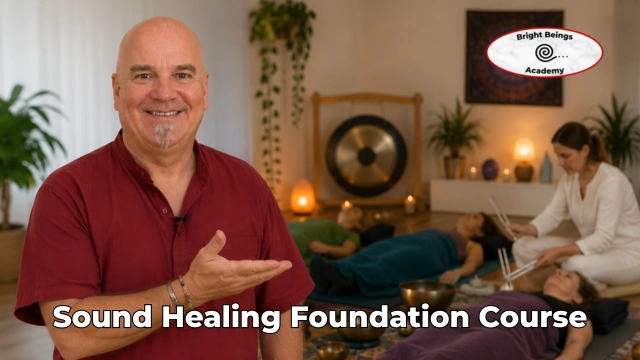
You may feel drawn to sound healing, yet still feel unsure where to begin, which instruments are right for you, or how to practise without becoming overwhelmed.
Sound Healing Foundations is being developed to help thoughtful beginners and early-stage practitioners explore the voice, tuning forks, Tibetan bowls and energy chimes with greater confidence, care and personal guidance.
Across six weeks, you will be supported to develop the practical foundations for creating a sound practice that feels comfortable, meaningful and genuinely your own, with three one-to-one calls with Peter along the way.
Six weeks of guided home study | Three private calls with Peter | £495
There is no obligation to enrol. Your answers will help shape the final programme, including its format, timing and practical support.
You Feel Drawn to Sound, but Unsure Where to Begin
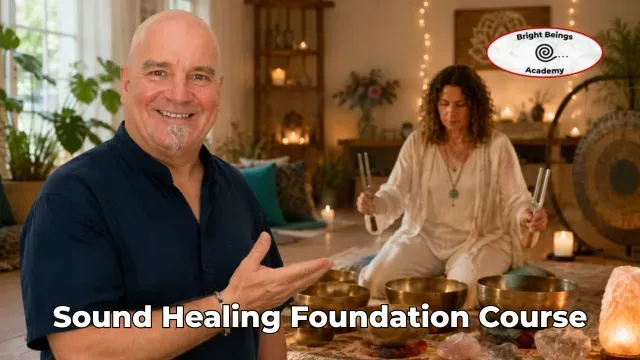
Perhaps you have experienced the calming or uplifting qualities of sound and would like to explore them for yourself.
You may already own a singing bowl, tuning fork or chime, yet feel uncertain about how to use it with confidence. You may be curious about vocal toning but feel self-conscious about your voice. Or perhaps you are simply overwhelmed by the amount of conflicting information surrounding sound healing and frequencies.
You may be wondering:
Which sound instrument should I begin with?
Do I need to buy a complete collection?
How loudly and for how long should I practise?
How can I use my voice without straining or forcing it?
What is the difference between a tuning fork, Tibetan bowl and energy chime?
How can I create a practice that feels balanced rather than overstimulating?
Which teachings about chakras and frequencies are established, and which are traditional or symbolic?
Sound Healing Foundations is being created to offer a clear, gradual and responsible starting point.
Rather than asking you to follow rigid methods or believe exaggerated claims about what sound should do for you, the programme will help you listen, explore and discover what feels comfortable, appropriate and meaningful within your own personal practice.
What Is Sound Healing Foundations?
Sound Healing Foundations is a proposed six-week guided home-study mentorship designed to help you create a safe, meaningful and sustainable personal sound practice.
The programme brings together four accessible approaches:
Vocal toning and healing sounds.
Weighted and unweighted tuning forks.
Tibetan singing bowls.
Energy chimes.
You will explore each method gradually, beginning with listening, breath, comfortable volume and silence before learning how to combine different sounds into a complete personal practice.
The programme will include guided lessons, practical demonstrations, reflection resources and three one-to-one calls with Peter. These calls will offer personal support with your starting point, technique, confidence and the development of your final sound practice.
The focus is on learning through personal experience rather than memorising complicated theories or following rigid rules.
By the end of the six weeks, the intention is that you will understand how to structure and continue a personal sound session that feels manageable, responsible and suited to you.
Sound Healing Foundations is designed for personal learning and practice. It is not practitioner accreditation, clinical training or a substitute for medical or mental-health care.
What You Will Be Supported to Develop
Sound Healing Foundations is designed to help you build confidence gradually, without pressure to perform or use every sound tool in the same way.
Through the six-week journey, you will be supported to develop:
A clearer understanding of how voice, tuning forks, bowls and chimes can be used within a personal practice.
Greater awareness of comfortable volume, pacing and practice duration.
More confidence using your voice naturally, without forcing pitch or sound.
Practical skills for activating and handling sound instruments safely.
Greater sensitivity to when a sound feels supportive, too strong or overstimulating.
A simple structure for beginning, developing and closing a personal sound session.
The ability to combine breath, sound and silence with greater intention.
A realistic weekly practice that can be adapted to your needs, energy and available time.
Greater independence in choosing the sounds and methods that feel most appropriate for you.
The purpose is not to tell you what you should experience.
Instead, you will be encouraged to listen carefully, notice your own responses and make informed choices about how sound becomes part of your personal wellbeing practice.
Explore Voice, Tuning Forks, Bowls and Chimes
Each form of sound has its own character. Some sounds may feel soft and grounding, while others may feel clearer, brighter or more stimulating.
Sound Healing Foundations will introduce each method gradually, helping you explore how they can be used individually and brought together within a balanced personal practice.
Your Voice
Your voice is the most immediate sound instrument available to you.
Through humming, breath-supported sound, vowel sounds and gentle vocal toning, you will explore how to make sound at a comfortable pitch without straining, forcing or trying to perform.
You do not need to consider yourself a singer. The focus is on listening, feeling and becoming more comfortable with your natural voice.
Tuning Forks
Tuning forks produce clear, focused tones that can be explored alongside breath, listening and silence.
You will learn about weighted and unweighted tuning forks, how to activate them safely, how firmly to strike them, and how to find a comfortable listening distance and volume.
A simple entry-level choice may include:
One Solfeggio tuning fork.
One tuning fork associated with a chakra or musical note.
A pair of tuning forks that creates a perfect fifth.
A weighted tuning fork for exploring physical vibration.
An unweighted tuning fork for listening to a clear tone.
You will not need to purchase a complete tuning-fork set.
Solfeggio and chakra associations will be presented as traditional, symbolic or personal frameworks rather than as evidence that a particular frequency heals a chakra, organ or medical condition.
Tibetan Singing Bowls
Tibetan singing bowls produce sustained, resonant sounds that can help you explore pacing, attention and stillness.
You will learn how to choose a suitable mallet, strike the bowl gently, circle the rim without forcing the sound, and allow each tone to fade naturally.
A small or medium-sized entry-level bowl will be sufficient. You may choose a bowl because you enjoy its natural tone, or select one sold as being associated with a particular chakra or musical note.
The most important consideration is that the sound feels comfortable to you. The bowl does not need to be expensive or perfectly tuned.
Energy Chimes
Energy chimes produce bright, clear tones that can be used to mark the beginning, ending or transition within a practice.
You may choose a chime associated with a chakra, a musical note or another tone that feels personally meaningful.
Because energy chimes can sound bright and penetrating, comfort is more important than selecting a particular note or frequency. You will learn how to activate the chime gently, allow the sound to fade and include silence between tones.
What You Will Need
You do not need to own a sound-healing instrument when registering your interest.
Before the programme begins, however, you will need access to at least one suitable entry-level instrument. You can choose:
A tuning fork or tuning-fork pair.
A Tibetan singing bowl.
An energy chime.
You will not need to purchase all three.
Clear equipment guidance will be provided before enrolment so that you can choose something simple, suitable and affordable without buying more than you need.
Bringing the Sounds Together
As the programme progresses, you will learn how voice, tuning forks, bowls and chimes can be combined with breath and silence within a coherent personal practice.
You will be introduced to every method, but you will not be expected to own or use every instrument.
The intention is to help you discover which sounds feel most accessible, comfortable and personally meaningful to you.
Your Six-Week Sound Healing Journey
Sound Healing Foundations follows a gentle progression:
Listen → Explore → Practise → Combine → Create → Continue
Each week builds upon the one before it, giving you time to become familiar with the sounds, notice your responses and develop your practice gradually.
Week 1: Creating Your Foundation
You will begin with the foundations of safe and attentive sound practice, including:
Setting a clear intention.
Finding a comfortable volume.
Recognising sound sensitivity.
Active listening.
Breath and silence.
Preparing a suitable practice space.
One-to-One Call: Personal Foundation
Your first private call with Peter will help you clarify what you want from the programme and establish a suitable starting point.
You will be able to discuss any instruments you already own, your confidence with vocal sound, and any sensitivities, concerns or practical limitations that may affect your practice.
Week 2: Discovering Your Healing Voice
You will explore your voice as a natural and accessible sound tool through:
Humming.
Breath-supported sound.
Comfortable pitch.
Vowel sounds.
Gentle vocal toning.
You will not need to sing or perform. The emphasis will be on making sound naturally, listening carefully and avoiding strain or force.
Week 3: Working with Tuning Forks
You will explore:
Weighted and unweighted tuning forks.
Safe ways to activate a tuning fork.
How firmly to strike it.
Comfortable listening distance and volume.
Using one or two tuning forks.
Simple sound intervals.
Combining tuning forks with breath and silence.
One-to-One Call: Technique and Confidence
During your second private call, Peter will observe how you use your voice and tuning fork.
He will help you adjust your posture, handling, volume and pacing where needed, answer practical questions and support you in becoming more comfortable with the techniques before moving on to bowls and chimes.
Week 4: Tibetan Bowls and Energy Chimes
You will learn the basic principles of using Tibetan bowls and energy chimes for personal practice, including:
Choosing an appropriate mallet.
Striking a bowl gently.
Circling the rim without forcing the sound.
Allowing each tone to fade naturally.
Introducing a chime with care.
Avoiding excessive brightness or stimulation.
Using pauses and silence as part of the practice.
This week focuses on responsible personal use rather than therapeutic or professional techniques.
Week 5: Creating a Complete Sound Practice
You will begin bringing the different elements together, including:
Breath.
Vocal toning.
Tuning forks.
Tibetan bowls.
Energy chimes.
Recorded tones where appropriate.
Chakra-focused practices.
Silence and integration.
You will learn a simple structure for your personal sound sessions:
Arrive → Ground → Open → Explore → Integrate → Close
One-to-One Call: Integration
Your third private call will help you refine the beginning, middle and end of your practice.
Peter will support you in adjusting sounds that feel too strong or stimulating and help you develop a personal session lasting approximately fifteen to thirty minutes.
Week 6: Your Personal Sound Practice
In the final week, you will bring everything together and follow the personal practice you have created.
This week is intended to include:
A complete guided demonstration from Peter.
A personal session-planning sheet.
A practice reflection.
Guidance for maintaining a realistic weekly routine.
A final reminder about safety and responsible practice.
A certificate of completion.
The purpose of this final stage is to help you continue with greater confidence and independence, using the sounds that feel most appropriate for you.
How the Mentorship Will Work
Sound Healing Foundations is a six-week guided home-study mentorship.
You will move through the programme from home, exploring each week’s lessons and practices at a comfortable pace. The learning will combine clear guidance, practical demonstrations, personal reflection and opportunities to apply what you are learning within your own sound practice.
Three One-to-One Calls with Peter
Personal guidance is an important part of the mentorship.
You will receive three private calls with Peter during the six weeks:
Week 1: Personal Foundation
This call will help you clarify your intentions, discuss any instruments you already own, explore your confidence with vocal sound and identify any sensitivities or practical considerations.
Week 3: Technique and Confidence
This call will give you the opportunity to receive guidance on vocal toning, tuning-fork handling, posture, volume, pacing and any practical questions that have arisen.
Week 5: Integration
This call will help you bring the different elements together and refine a personal sound session that feels balanced, manageable and suited to you.
The final week is completed independently, helping you strengthen your confidence in continuing your own practice.
Learning Through Practice
The programme will encourage regular, manageable practice rather than long or demanding sessions.
You will be invited to explore each sound gradually, notice how you respond and adapt the practice where necessary. Rest, silence and reflection will be treated as meaningful parts of the learning process.
The full expected weekly commitment, lesson-delivery platform, call length, course access period and any support available between calls will be confirmed before enrolment opens.
Programme Fee
The full six-week Sound Healing Foundations mentorship costs £495.
This includes:
Six weeks of guided home-study learning.
Practical demonstrations and personal sound practices.
Three one-to-one calls with Peter.
Supporting resources and reflection materials.
Guidance in creating your own personal sound practice.
A certificate of completion.
The cost of any instrument you choose to purchase is separate from the programme fee.
Registering your interest does not require payment and does not place you under any obligation to enrol.
Who Sound Healing Foundations Is For
Sound Healing Foundations is being created for thoughtful beginners and early-stage practitioners who want to explore sound in a grounded, personal and responsible way.
It may be especially suitable for you if:
You feel drawn to sound healing but are unsure where to begin.
You would like to create a personal home sound practice.
You want clear guidance rather than conflicting or exaggerated claims.
You own one or two sound instruments but do not yet feel confident using them.
You do not own any instruments and want help understanding what may be appropriate.
You are curious about vocal toning but feel hesitant or self-conscious about using your voice.
You are sensitive to strong, bright or sustained sounds.
You want to understand comfortable volume, pacing and practice duration.
You value personal guidance and the opportunity to ask practical questions.
You prefer a gradual learning journey rather than an intensive training experience.
You want to explore sound for your own wellbeing and personal development rather than professional practice.
You do not need previous sound-healing experience, musical training or confidence as a singer.
You will, however, need access to at least one suitable entry-level tuning fork, Tibetan singing bowl or energy chime before the programme begins. Clear guidance will be provided so that you can choose something simple and appropriate without purchasing unnecessary equipment.
The programme is intended to meet you where you are and help you develop your practice gradually, with care for your comfort, sensitivity and personal boundaries.
Who the Programme May Not Be For
Sound Healing Foundations is focused on helping you develop a personal home practice. It is not designed as professional or clinical training.
The programme may not be suitable for you if you are looking for:
Practitioner certification or professional accreditation.
Advanced therapeutic sound-healing techniques.
Clinical training or treatment.
Technical music or vocal-performance training.
A programme that promises to heal a particular physical or emotional condition.
Definitive claims about the effects of individual frequencies.
A replacement for medical care, psychological support or mental-health treatment.
An intensive course requiring you to purchase and master many instruments quickly.
Sound can be experienced in deeply personal ways, but no particular response can be guaranteed.
You will be encouraged to remain attentive to your own comfort, boundaries and wellbeing throughout the programme. Where physical symptoms, hearing concerns or emotional distress require professional support, sound practice should be used alongside appropriate care rather than in place of it.
A Safe and Responsible Approach to Sound
Sound Healing Foundations is being developed with care for personal comfort, sensory sensitivity and individual choice.
Sound does not affect everyone in the same way. A tone that feels calming or supportive to one person may feel intense, uncomfortable or overstimulating to another. You will therefore be encouraged to listen to your own responses rather than assuming that every sound, frequency or instrument will suit you.
Throughout the programme, you will be guided to:
Begin at a comfortable volume.
Keep early practices short and manageable.
Increase duration gradually where appropriate.
Allow space and silence between sounds.
Avoid placing instruments too close to the ears.
Use bright or sustained sounds with particular care.
Notice signs of tension, agitation, dizziness or sensory overload.
Pause or stop whenever a practice feels painful, distressing or uncomfortable.
Adapt or leave out any method that does not feel suitable for you.
Sound practice should never require you to ignore your body, override your boundaries or continue through discomfort.
The programme will also distinguish between personal experience, traditional interpretations and claims that are supported by dependable evidence. No frequency, instrument or practice will be presented as proven to heal a particular physical, emotional or psychological condition unless reliable evidence supports that statement.
Sound Healing Foundations is an educational and experiential programme. It is not medical care, mental-health treatment or a substitute for professional support.
If you have ongoing hearing concerns, significant physical symptoms, severe emotional distress or any condition that may be affected by sound, please seek appropriate professional guidance before beginning or continuing a practice.
Meet Peter
Peter is a Qi Gong instructor, Dahn Master, sound healer and founder of Bright Beings Academy.
His teaching brings together sound, breath, embodied awareness and gentle personal practice. Rather than presenting sound healing as a collection of fixed techniques or promised outcomes, Peter encourages learners to listen carefully, remain curious and notice what genuinely feels appropriate for them.
You can learn more about Peter, his background and his approach to teaching.
Sound Healing Foundations grew from Peter’s desire to give beginners a clearer and more responsible way to explore voice, tuning forks, Tibetan bowls and energy chimes.
Peter understands that making sound can sometimes feel unfamiliar or vulnerable. You may feel self-conscious about your voice, uncertain about your technique or concerned that you are doing something incorrectly. His approach is patient, practical and supportive, with space for questions, sensitivity and individual differences.
Through the three one-to-one calls, Peter will help you:
Clarify what you hope to gain from the programme.
Begin from a level that feels comfortable and manageable.
Develop safer and more confident ways of using your voice and instruments.
Adjust your volume, handling, pacing and practice structure.
Recognise when a sound may be too strong or unsuitable for you.
Bring the different elements together into a practice that feels personal and sustainable.
Peter will not tell you what you should feel or ask you to override your own responses. His role is to offer guidance, practical feedback and a supportive framework so that you can develop greater confidence and discernment for yourself.
You can also read Qi Gong and sound-healing testimonials from people who have experienced Peter’s teaching.
Register Your Interest in Sound Healing Foundations
Sound Healing Foundations is currently being developed and has not yet opened for enrolment.
By completing the expression-of-interest form, you can let Peter know that you would like to hear more as the programme takes shape.
Your answers will also help ensure that the final mentorship reflects the practical needs of the people it is being created for, including:
Your current experience with sound healing.
The sounds and instruments you feel most drawn to.
Any instruments you already own.
Your confidence using your voice.
Any sound sensitivities or accessibility considerations.
The amount of time you may realistically have available each week.
The questions or concerns you would want the programme to address.
Your preferences regarding timing, format and personal support.
The full six-week programme fee is £495.
Registering your interest does not require payment and does not place you under any obligation to enrol.
The final start date, schedule and availability will be shared clearly before you are invited to make a decision.
Sound Healing Foundations Course: Frequently Asked Questions
Do I need to own a sound-healing instrument before registering my interest?
No. You do not need to own an instrument when you register your interest.
Before the programme begins, however, you will need access to at least one suitable entry-level instrument. You can choose:
A tuning fork or tuning-fork pair.
A Tibetan singing bowl.
An energy chime.
You will not need to purchase all three.
Why do I need at least one instrument?
Sound Healing Foundations is a practical and experiential programme.
Having at least one physical instrument will allow you to practise the techniques, explore comfortable volume and pacing, and begin developing a sound practice that feels personal to you.
Your voice will also be used throughout the programme, so you will always have an accessible sound instrument available.
Which instrument should I choose first?
Choose the instrument that feels most accessible, interesting and affordable to you.
A tuning fork may suit you if you are drawn to clear, focused tones. A Tibetan singing bowl may suit you if you prefer sustained and resonant sounds. An energy chime may suit you if you enjoy bright, simple tones that can mark transitions within a practice.
Clear entry-level guidance will be provided before the programme begins so that you can make an informed choice without purchasing more equipment than you need.
Which tuning fork should I buy?
You may begin with one tuning fork or a simple matched pair.
Suitable entry-level choices may include:
A single Solfeggio tuning fork.
A tuning fork associated with a particular chakra or musical note.
A pair of tuning forks that creates a perfect fifth.
A weighted tuning fork for exploring physical vibration.
An unweighted tuning fork for listening to a clear tone.
The programme will explain the practical difference between weighted and unweighted tuning forks.
Solfeggio and chakra associations will be presented as traditional, symbolic or personal frameworks rather than as proof that a particular frequency heals a chakra, organ or medical condition.
Do I need to buy a complete set of tuning forks?
No. A complete tuning-fork set is not required.
One carefully chosen tuning fork, or one simple pair, is enough to begin learning the foundational techniques.
You can add other tuning forks later if you decide that this is an area you would like to explore more deeply.
What kind of Tibetan singing bowl should I buy?
A small or medium-sized entry-level Tibetan singing bowl will be suitable.
You may choose a bowl because you enjoy its natural tone and resonance. Some bowls are also sold as being associated with a particular chakra or musical note.
You do not need an expensive or perfectly tuned bowl. The most important considerations are that:
The sound feels comfortable to you.
The bowl is easy to hold or place securely.
It includes a suitable mallet.
You can strike it gently without producing an excessively harsh sound.
Chakra associations will be explored as traditional or symbolic interpretations rather than guaranteed effects.
What kind of energy chime should I buy?
A single energy chime will be sufficient.
You may choose:
A chime associated with a chakra.
A chime tuned to a musical note that appeals to you.
A simple meditation or mindfulness chime.
Another clear-toned chime that feels comfortable and manageable.
Energy chimes can sound bright and penetrating, so comfort is more important than selecting a particular note or frequency.
You will learn how to activate the chime gently, allow the sound to fade and include silence between tones.
Do I need to own all three types of instrument?
No.
You will need access to at least one tuning fork, Tibetan singing bowl or energy chime before the programme begins, but you will not need to purchase all three.
The programme will introduce each type of sound instrument so that you can understand how it is used. You may then decide whether you would like to add other instruments as your practice develops.
Will the course recommend particular instruments or suppliers?
The programme will provide straightforward guidance for choosing suitable entry-level equipment.
Any recommendations will focus on comfort, practicality, affordability and suitability for beginners rather than encouraging unnecessary purchases.
Particular suppliers, products and prices will be checked before recommendations are shared because availability and costs may change.
How much does Sound Healing Foundations cost?
The full six-week Sound Healing Foundations mentorship costs £495.
This includes:
Six weeks of guided home-study learning.
Practical demonstrations and personal sound practices.
Three one-to-one calls with Peter during Weeks 1, 3 and 5.
Supporting resources and reflection materials.
Guidance in creating your own personal sound practice.
A certificate of completion.
You may also need to purchase one suitable entry-level tuning fork, Tibetan singing bowl or energy chime if you do not already own one. The cost of this equipment is separate from the programme fee.
No payment is required when registering your interest.
Copyright Peter Paul Parker All Rights Reserved - Terms and conditions Privacy Support