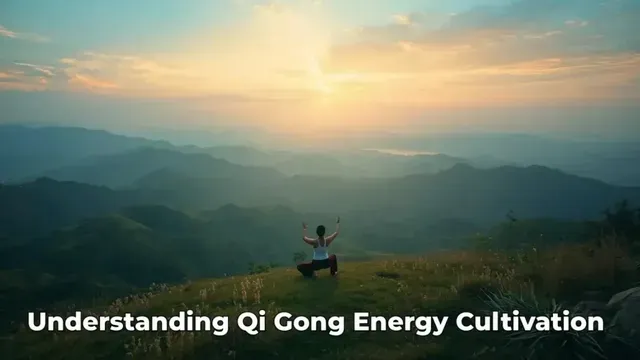
Qi Gong Energy Cultivation: What It Means And How It Works
Qi Gong energy cultivation is the practice of building, storing, and circulating your internal energy (Qi) through breath, movement, and awareness. It is not about forcing energy or pushing the body, but about restoring a natural flow that supports vitality, clarity, and inner balance.
At its core, energy cultivation in Qi Gong teaches you how to stop leaking energy through stress, tension, and overthinking, and instead begin gathering and stabilising it within the body. This is why many people experience a steady, grounded sense of energy rather than short bursts followed by exhaustion.
If you are new to the practice, it helps to understand the foundations first.
What Is Qi Gong? Origins, Principles & Benefits offers a clear starting point for how breath, movement, and awareness work together.
Rather than relying on external stimulation, Qi Gong energy cultivation helps you reconnect with the energy that is already within you — and learn how to use it more efficiently.
Learn Qi Gong at home at the Bright Beings Academy
5 ⭐⭐⭐⭐⭐ Rating On Google Reviews

What Is Qi Gong Energy Cultivation And How Does It Work
Qi Gong energy cultivation is the process of building, storing, and circulating your internal energy (Qi) so the body and mind can function in a more balanced, efficient way. Rather than using energy faster than you replenish it, this practice teaches you how to restore and stabilise your internal reserves.
In simple terms, energy cultivation works through three elements:
Breath – draws energy into the body and calms the nervous system
Movement – circulates energy through the meridians
Awareness – directs and stabilises where energy is stored
These three are not separate. They work together as one system. When your breath slows, your body softens. When your body softens, energy begins to move more freely. When your attention becomes steady, that energy becomes more organised and usable.
This is why Qi Gong often feels different from other forms of exercise. It does not rely on effort or intensity. Instead, it reduces unnecessary tension so energy is no longer wasted.
From a traditional perspective, Qi flows through pathways in the body known as meridians. When this flow is smooth, you tend to feel clear, calm, and energised. When it becomes blocked or depleted, you may notice fatigue, tightness, or emotional imbalance.
If you would like to explore how breath specifically supports this process, you can go deeper here:
Qi Gong Breathing Techniques
Over time, Qi Gong energy cultivation becomes less about “doing a practice” and more about how you live. The way you breathe, move, and respond to life begins to either conserve or drain your energy.
The practice simply brings that awareness back into your hands.
Why Energy Depletes And Why Qi Gong Energy Cultivation Matters
Most people are losing energy throughout the day without realising it. It is not always physical effort that drains you, but the constant background tension of modern life.
Overthinking, emotional stress, poor sleep, and digital overload all place a quiet demand on your nervous system. Over time, this creates a pattern where energy is used faster than it is restored. You may notice this as fatigue, low mood, lack of focus, or a sense of disconnection from yourself.
From a Qi Gong perspective, this is not simply tiredness. It is a disruption in how energy is managed within the body.
Energy can become:
Depleted – when you are constantly giving without restoring
Stagnant – when tension or emotional holding blocks flow
Scattered – when attention is pulled in too many directions
Qi Gong energy cultivation addresses all three.
Instead of pushing through exhaustion, the practice invites you to slow down just enough to begin restoring what has been lost. Through breath, gentle movement, and awareness, the body shifts out of survival mode and into a state where energy can rebuild naturally.
This is why many people feel a subtle but important shift early on. Not a sudden burst of energy, but a steadier, more grounded sense of presence.
If your energy has been worn down over time, you may also find support here:
Qi Gong for Burnout and Exhaustion
Energy cultivation is not about doing more. It is about using less unnecessary effort so the energy you already have can begin to return.
How To Increase Qi Energy Naturally With Qi Gong
Increasing Qi energy naturally does not come from forcing more effort into the body. It comes from reducing what drains your energy and supporting what helps it build.
In Qi Gong, energy grows through simple, consistent practices that allow the body to return to balance.
Here are the key ways to increase Qi energy naturally:
1. Breathe Deeply Into The Lower Dantian
Your lower Dantian (Dahn Jon) is considered your body’s main energy centre. Breathing slowly into this area helps gather and store energy rather than letting it rise and disperse.
Even a few minutes of steady, relaxed breathing can begin to rebuild your energy from within.
If you would like to focus specifically on this, explore:
Qi Gong Breathing Techniques
2. Slow Down To Conserve Energy
One of the most overlooked aspects of energy cultivation is conservation. When movement, speech, and thinking become rushed, energy is quickly depleted.
Slowing down — even slightly — allows energy to stabilise and accumulate.
3. Practise Gentle, Flowing Movement
Qi builds more effectively through relaxed, continuous movement than through force or strain. Gentle sequences help circulate energy without exhausting your system.
If you would like a simple routine to begin with, you can explore:
10-Minute Qi Gong Routine for Daily Energy
4. Reduce Mental And Emotional Energy Drain
Overthinking, worry, and emotional tension are some of the biggest drains on Qi. Bringing awareness to these patterns — without judgement — allows energy to return to the body.
This is where breath and movement work together to release what is being held.
5. Build Energy Through Consistency, Not Intensity
Qi energy does not increase through pushing harder. It builds through small, repeated practices over time.
A short daily practice will always be more effective than occasional longer sessions.
If you are ready to develop your energy awareness through a steadier daily rhythm, the deeper Qi Gong practice challenge offers a clear morning and evening structure to support your next stage.
If your energy has been significantly depleted, you may also find support here:
Qi Gong for Burnout and Exhaustion
The Science Behind Qi Gong Energy Cultivation
While Qi is a traditional concept, modern research offers useful insights into how Qi Gong energy cultivation may support the body.
Studies suggest that slow, coordinated movement combined with breathing and focused attention can:
Improve heart rate variability (HRV), which reflects the body’s ability to adapt to stress
Support nervous system regulation by activating the parasympathetic (rest-and-repair) response
Enhance circulation and oxygen delivery throughout the body
Reduce fatigue and improve overall energy levels in both healthy individuals and those with chronic conditions
This helps explain why Qi Gong often leads to a steady, grounded sense of energy rather than short bursts of stimulation.
You can explore a deeper breakdown of the research here:
Qi Gong Evidence: What Research Says About Mental Health, HRV and Heart Health (2025–2026 Update)
Rather than replacing the traditional understanding of Qi, modern science offers another way of describing what practitioners have observed for centuries — that when breath, movement, and awareness are aligned, the body becomes more efficient, balanced, and energised.
Qi Gong Energy Cultivation For Vitality And Balance
When you practise Qi Gong energy cultivation consistently, the changes tend to be subtle at first, but deeply stabilising over time. Rather than short bursts of energy, you begin to experience a more reliable and sustainable sense of vitality.
This is because the practice is not just increasing energy, but improving how your body uses and stores it.
Here are some of the key benefits:
1. Builds Stable, Sustainable Energy
Instead of relying on stimulants or external motivation, Qi Gong helps your body generate energy from within. This creates a steadier baseline of vitality throughout the day, without sharp rises and crashes.
2. Reduces Fatigue And Energy Drain
By calming the nervous system and reducing unnecessary tension, less energy is wasted. This allows your natural reserves to rebuild gradually.
If fatigue has been a persistent issue, you can explore a more targeted approach here:
Qi Gong for Burnout and Exhaustion
3. Improves Mental Clarity And Focus
As energy becomes more organised within the body, the mind often becomes clearer. Many people notice reduced brain fog and an increased ability to concentrate without forcing attention.
4. Supports Emotional Balance
Emotional stress is one of the biggest drains on internal energy. Qi Gong helps release tension held in the body, allowing emotions to move rather than remain stuck.
5. Enhances Circulation And Internal Flow
Gentle movement and breath improve circulation, helping oxygen and nutrients move more efficiently through the body. From a Qi Gong perspective, this supports smoother energy flow through the meridians.
6. Promotes Better Sleep And Recovery
When your system becomes calmer and more balanced, the body can enter deeper states of rest. This allows for more effective overnight recovery and energy restoration.
7. Strengthens Long-Term Resilience
Over time, you may notice that your energy is less easily disrupted. Challenges still arise, but your ability to stay grounded and recover becomes stronger.
If you would like a more practical, routine-based approach to building energy daily, you can explore:
Qi Gong for Energy: Boost Vitality Naturally
In traditional energy practices, Qi is understood to move through a network of pathways known as meridians. Developing an understanding of these channels can deepen your practice and help you work more intentionally with energy, movement and breath. If you would like to explore this further, our Meridian Training Course offers a practical introduction to the meridian system and how it can support health, balance and vitality.
How To Practise Qi Gong Energy Cultivation (Simple Daily Method)
Qi Gong energy cultivation does not require long sessions or complicated routines. What matters most is consistency and the quality of your attention.
Even a few minutes each day can begin to restore and stabilise your energy when practised with awareness.
Here is a simple way to begin:
1. Start With The Breath To Build Energy
Bring your attention to your lower abdomen (the Dantian). Breathe in slowly through the nose, allowing the belly to expand, and exhale gently through the mouth.
This type of breathing signals safety to the nervous system and begins drawing energy inward rather than dispersing it.
If you would like to deepen this part of the practice, explore:
Qi Gong Breathing Techniques
2. Use Gentle Movement To Circulate Qi
Simple, flowing movements help guide energy through the body. Movements such as lifting the arms, opening the chest, or slow circular motions can begin to release stagnation.
Move slowly and let your breath lead. There is no need to force or stretch.
3. Focus Your Mind To Store Energy
Where your attention goes, your energy follows. As you practise, gently place your awareness on your breath and your lower abdomen.
You might imagine warmth or light gathering there. This helps stabilise energy rather than letting it scatter.
4. Ground Your Energy To Stay Balanced
Standing postures such as Wuji help anchor your energy. Soften your knees, relax your shoulders, and feel your weight drop into the ground.
This grounding effect reduces restlessness and supports emotional stability.
5. Keep It Short And Consistent
You do not need an hour. Start with 5–10 minutes daily.
Energy cultivation is not built through intensity, but through repetition. Small, steady practice creates lasting change.
If you would like a guided routine you can follow each day, you may find this helpful:
10-Minute Qi Gong Routine for Daily Energy
Good. Let’s bring this home in a way that feels grounded, clear, and gently directional.
Final Thoughts
Qi Gong energy cultivation is not about adding more effort into your life. It is about removing what drains you, and learning how to work with your energy in a more natural and sustainable way.
Over time, the practice becomes less about techniques and more about awareness. You begin to notice where your energy is being used, where it is being lost, and how to return to a state of balance more easily.
There is no need to rush this process. Even a few minutes of consistent practice can begin to restore a sense of steadiness, clarity, and quiet vitality.
Energy, when cared for gently, has a way of rebuilding itself.
Next Steps
If energy cultivation has opened your interest in Qi Gong, begin gently with the Free 7-Day Online Qi Gong Course.
When you are ready for a clearer foundation, the 7-Day Qi Gong for Beginners Course will help you build a steady practice with movement, breath and awareness.
Below this section, you will find the different membership options available inside the academy. Each pathway offers a different level of support, allowing you to choose what feels right for you.
There is no need to rush. Simply begin, and allow your energy to build naturally over time.
FAQs About Qi Gong Energy Cultivation
What is Qi Gong energy cultivation?
Qi Gong energy cultivation is the practice of building, storing, and circulating your internal energy (Qi) through breath, movement, and awareness to support balance and vitality.
How long does it take to feel results from Qi Gong energy cultivation?
Many people notice a subtle shift after their first session. More stable and lasting changes typically develop with consistent daily practice over a few weeks.
Do I need to believe in Qi for energy cultivation to work?
No. While Qi is a traditional concept, the benefits of Qi Gong can be experienced through its effects on breathing, relaxation, and nervous system regulation.
Can beginners practise Qi Gong energy cultivation?
Yes. Qi Gong is gentle and adaptable, making it suitable for all levels, including complete beginners.
How often should I practise Qi Gong to build energy?
A short daily practice of 5–10 minutes is enough to begin. Consistency is more important than duration.
Further Reading: Qi Gong Energy Cultivation
To deepen your understanding and support your practice, you may find these articles helpful:
Qi Gong for Energy: Boost Vitality Naturally – A practical guide to building daily energy through simple routines.
Qi Gong Breathing Techniques – Learn how to use breath to support energy cultivation and calm the system.
Qi Gong for Burnout and Exhaustion – Gentle support if your energy feels depleted or overwhelmed.
10-Minute Qi Gong Routine for Daily Energy – A simple daily routine to begin cultivating energy straight away.
I look forward to connecting with you in my next post.
Until then, be well and keep shining.
Peter. :)