Qi Gong for Seniors in Kingston & Surbiton (KT6)
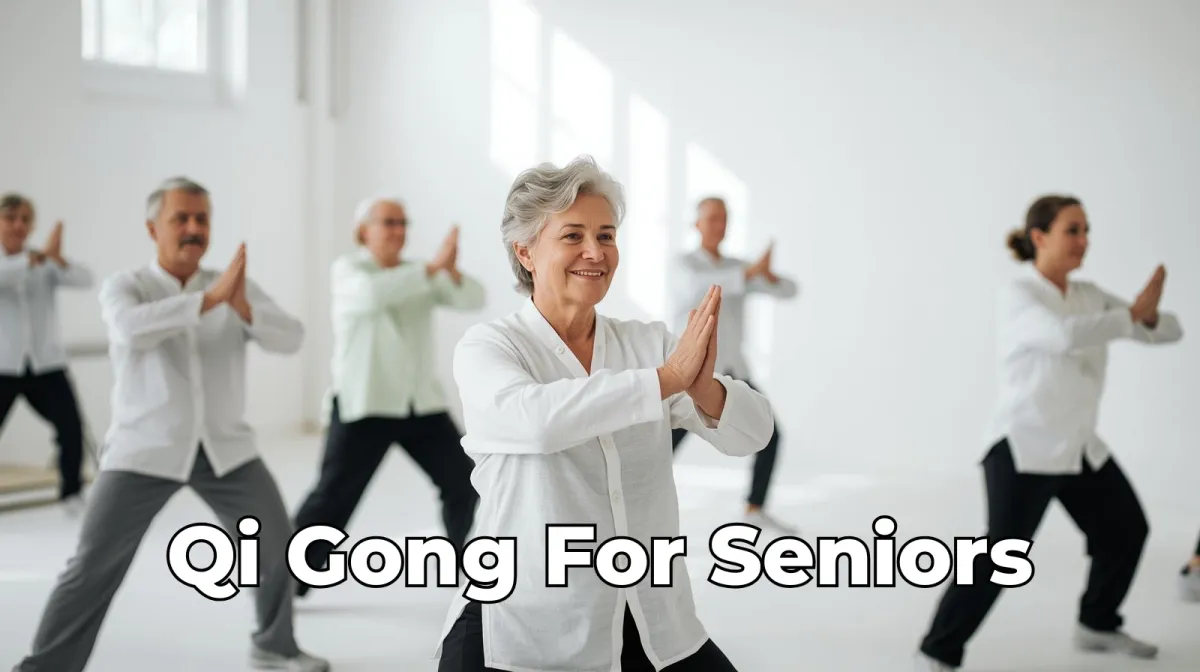
Qi Gong for seniors in Kingston and Surbiton offers a gentle way to stay active through accessible movement, breathing and focused awareness.
As we grow older, maintaining movement does not need to mean forcing the body through strenuous exercise. Korean-style Qi Gong can be practised slowly and within a comfortable range, making it approachable for many older adults, including complete beginners.
Movements are usually performed standing, but some may be adapted for seated practice when appropriate. Each person should work within their own abilities and let the instructor know about any pain, balance concerns, health conditions or mobility needs before taking part.
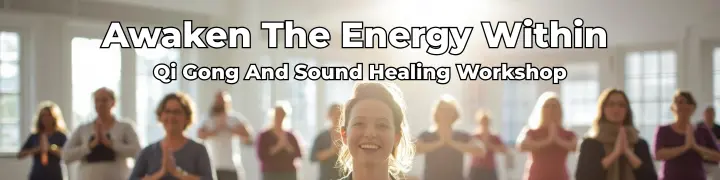
At the Awaken the Energy Within Workshop, Korean-style Qi Gong is combined with sound healing and guided relaxation. The workshop provides a local opportunity for people from Kingston, Surbiton, Thames Ditton, Long Ditton and nearby areas to experience the practice in a supportive setting.
This article explores why Qi Gong may appeal to older adults, how movements can be approached gently and where local participants can experience the practice.
“Korean-style Qi Gong offers many older adults an adaptable and unhurried way to explore movement, breathing and embodied awareness.”
Why Qi Gong May Suit Older Adults
Korean-style Qi Gong can appeal to older adults because it combines gentle movement, steady breathing and focused attention without requiring fast transitions or high-impact exercise.
The movements are usually slow and controlled, which gives participants time to notice how their bodies feel and adjust their range of movement. This can make the practice feel less demanding than forms of exercise built around speed, repetition or physical intensity.
Some people use Qi Gong to support balance, mobility, flexibility and general confidence in movement. Others value the quieter elements of the practice, including breathing, concentration and the opportunity to move without pressure.
The practice can also provide a sense of routine and connection when attended as part of a regular class. However, every person’s needs are different. Qi Gong should not be presented as a way to prevent falls, treat pain or manage a health condition without appropriate professional advice.
Carol Hardy described her experience as a beginner:
“Although I had never even heard of Qi Gong before, I was curious to give it a try. It is different from my other forms of exercise. I feel very relaxed afterwards. It helps me sleep better and keep perspective.”
This reflects Carol’s personal experience rather than a result that can be guaranteed for everyone.
“Qi Gong may suit older adults because it offers slow, adaptable movement alongside breathing, awareness and a calmer pace.”
How Korean-Style Qi Gong Can Be Adapted for Seniors
One of the strengths of Korean-style Qi Gong is that movements can often be adjusted to suit the individual rather than asking everyone to move in exactly the same way.
A participant may choose a smaller range of movement, move more slowly or pause when needed. Some exercises may also be practised while seated, depending on the movement and the guidance provided by the instructor.
The aim is not to stretch further, hold a position for longer or keep up with anyone else. It is to remain aware of the body, breathe steadily and move in a way that feels manageable.
Anyone recovering from illness, living with pain, experiencing balance difficulties or managing a medical condition should speak with an appropriate healthcare professional where necessary and inform the instructor before taking part. This helps the practice remain supportive and appropriate to the person’s needs.
“Qi Gong can often be adapted through smaller movements, a slower pace and seated practice where appropriate.”
Qi Gong for Balance and Falls Prevention in Later Life
Qi Gong may support older adults by encouraging slow weight shifts, controlled movement and greater awareness of posture and foot placement.
The unhurried pace gives participants time to notice how their weight moves through the feet and how the body responds when turning or changing direction. When practised regularly and within a comfortable range, these movements may support steadiness, coordination and confidence in everyday movement.
Qi Gong cannot guarantee that someone will avoid falling, and it should not replace professional falls assessment, physiotherapy or medical care. Anyone who has experienced a recent fall, dizziness or significant balance difficulties should seek appropriate guidance and let the instructor know before taking part.
For a closer look at gentle local balance support and Qi Gong classes in New Malden, read Falls Prevention in KT3: Simple Qi Gong for Better Balance.
“Slow and supported Qi Gong practice may help older adults develop greater awareness, steadiness and confidence in everyday movement.”
A Gentle Qi Gong Class Environment for Older Adults
A supportive Qi Gong class should allow older adults to move at their own pace without feeling that they need to keep up with anyone else.
Korean-style Qi Gong is taught through simple, repeated movements that can be approached gradually. Participants can pause, reduce the range of a movement or rest whenever needed. The emphasis is on awareness and steady practice rather than physical performance.
For some older adults, the social setting is also important. Attending a welcoming local class can provide regular contact with others while creating time to focus on movement, breathing and personal wellbeing.
At the Awaken the Energy Within Workshop, the Qi Gong practice is followed by sound healing and guided rest. Christine Weston described her experience:
“I was amazed at how relaxed and calm I felt. After the whole session finished, I felt as if a weight had been lifted off me. Completely looking forward to the next workshop.”
This reflects Christine’s individual experience and should not be understood as a result that can be promised to everyone.
“A gentle and welcoming class environment can help older adults practise Qi Gong without pressure, comparison or unnecessary strain.”
Final Thoughts on Qi Gong for Seniors in Kingston and Surbiton
Qi Gong for seniors in Kingston and Surbiton can offer a gentle, adaptable way to remain active without turning movement into a test of strength, flexibility or endurance.
Korean-style Qi Gong allows participants to move slowly, adjust the range of each exercise and rest when needed. This can make the practice approachable for older adults who want to support balance, mobility, breathing and confidence in movement at a manageable pace.
The most important consideration is suitability for the individual. Anyone living with significant pain, dizziness, recent falls or a health condition should seek appropriate professional guidance and inform the instructor before taking part.
Qi Gong does not promise particular health outcomes, but it can provide a calm and supportive setting in which older adults can reconnect with their bodies and explore movement without unnecessary pressure.
“Qi Gong offers older adults a gentle way to keep moving, build awareness and practise within their own comfortable limits.”
Next Steps: Try Qi Gong Locally
To experience Korean-style Qi Gong in a guided setting, visit the Awaken the Energy Within Workshop page. The workshop combines accessible Qi Gong with sound healing and is held near Kingston and Surbiton. Please check the page for the current date, time, price, accessibility information and availability before booking.
For regular practice, explore the New Malden Qi Gong class or the Hook and Chessington Qi Gong class. These provide an ongoing local option for people who would prefer steady weekly practice.
Frequently Asked Questions About Qi Gong for Seniors
Is Qi Gong suitable for older adults?
Qi Gong can be suitable for many older adults because it uses slow, controlled movements and can often be adapted to individual needs. Anyone with significant mobility concerns, pain, dizziness or a medical condition should seek appropriate guidance before taking part.
Can Qi Gong be practised while seated?
Some Qi Gong movements can be adapted for seated practice. The suitability of each movement will depend on the individual and the way the session is taught.
Do I need previous experience?
No. Korean-style Qi Gong can be approached by complete beginners. The movements are introduced gradually, and participants are encouraged to work within a comfortable range.
Can Qi Gong help with balance?
Qi Gong may support balance awareness through slow weight shifts, controlled movement and attention to posture. It cannot prevent every fall and should not replace professional falls assessment or medical care.
What should I wear to a Qi Gong class?
Wear loose, comfortable clothing that allows you to move freely. Supportive, flat footwear may also be helpful, depending on the venue and the way the class is taught.
Should I tell the instructor about a health condition?
Yes. Let the instructor know about any pain, recent falls, balance difficulties, mobility needs or relevant health conditions before the session begins.
Where can seniors try Qi Gong near Kingston and Surbiton?
The Awaken the Energy Within Workshop in Long Ditton offers a local introduction to Korean-style Qi Gong and sound healing. Regular classes are also available in New Malden and Hook or Chessington. Current practical details should be checked on the relevant page before attending.
Further Reading
For practical guidance on balance, steadiness and reducing falls risk in the local area, read Falls Prevention in KT3: Simple Qi Gong for Better Balance.
For help preparing for a first session, including what to wear, what to bring and what to expect, visit Beginner’s Qi Gong in the Kingston Area: First Class Checklist.
I look forward to connecting with you in the next post.
Until then, be well and keep shining,
Peter. :)