Qi Gong for Healthy Joints, Mobility and Arthritis Support
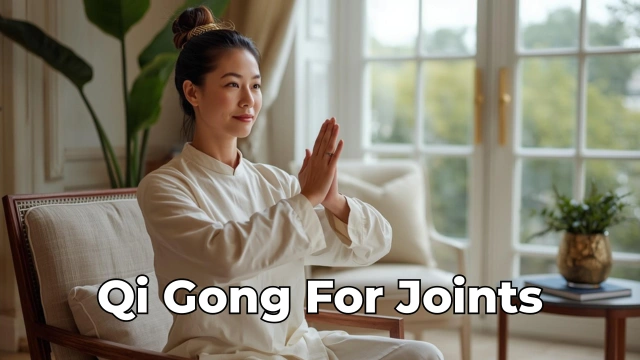
Joint stiffness, reduced mobility and everyday aches can gradually affect how comfortable and confident you feel within your own body.
Whether you experience occasional discomfort, age-related stiffness, reduced flexibility or ongoing joint challenges such as arthritis, gentle movement can play an important role in supporting how your body feels and functions over time.
Qi Gong is a traditional mind-body practice that combines slow movements, relaxed breathing and mindful awareness. Rather than forcing the body through intense exercise, Qi Gong encourages calm, comfortable movement that may help support joint mobility, flexibility, circulation and overall wellbeing.
This course has been created for people who want to care for their joints through gentle daily practice. Through simple Qi Gong exercises, breathing techniques and supportive movement routines, you will learn practical ways to move with greater ease, confidence and comfort.
Whether you are completely new to Qi Gong or looking for a kinder approach to supporting stiff joints, arthritis or reduced mobility, this course is designed to help you build healthier movement habits that feel sustainable for the long term.
Are Your Joints Becoming Stiff or Less Mobile?
Many people begin noticing small changes within their bodies long before they actively seek support.
Perhaps your knees feel stiffer when getting out of a chair. Maybe your hips feel less flexible than they once did. You may notice discomfort when walking, gardening, climbing stairs or getting up after sitting for long periods.
For some people, these changes are linked to ageing. For others, they may be connected to arthritis, previous injuries, reduced activity levels or simply the effects of modern lifestyles that involve long periods of sitting.
Common signs that your joints may benefit from additional support include:
morning stiffness that takes time to ease
reduced flexibility and range of movement
discomfort after inactivity
feeling less confident with balance and mobility
aching joints during everyday activities
finding certain movements harder than they used to be
feeling less comfortable walking, bending or reaching
While occasional stiffness can be a normal part of life, gentle and consistent movement is often one of the most supportive ways to maintain mobility, flexibility and movement confidence as you age.
The good news is that movement does not need to be intense to be beneficial. In fact, many people discover that slower, more mindful practices such as Qi Gong feel more sustainable and supportive than high-impact forms of exercise.
Why Gentle Movement Matters For Healthy Joints
When people experience stiff or uncomfortable joints, the natural reaction is often to move less.
Unfortunately, less movement can sometimes contribute to further stiffness, reduced flexibility and a gradual loss of confidence in the body.
Healthy joints benefit from regular movement. Gentle movement helps encourage circulation throughout the body, supports flexibility, maintains mobility and helps keep everyday movements feeling more comfortable and natural.
This is one of the reasons why practices such as Qi Gong have remained popular for centuries.
Rather than placing strain on the body through high-impact exercise, Qi Gong uses slow, controlled movements combined with relaxed breathing and mindful awareness. The emphasis is not on performance, but on helping the body move in a calm, comfortable and sustainable way.
Many people find that gentle daily movement helps them:
maintain flexibility as they age
feel less stiff after periods of sitting
move with greater ease and confidence
improve posture and body awareness
support balance and coordination
create healthy movement habits that are easier to maintain
The goal is not to force the body to do more. The goal is to help the body move well, move often and move comfortably.
This course is designed around that philosophy, helping you build a simple and sustainable practice that supports healthier joints, improved mobility and greater confidence in everyday movement.
Who This Course Is Designed For
This course is designed for people who want to improve joint comfort, mobility and confidence through gentle, accessible movement.
It may be especially supportive for those who:
experience stiff joints, particularly in the morning or after periods of inactivity
live with arthritis and are looking for a gentle movement practice
want to improve flexibility and everyday mobility
experience discomfort when walking, bending, reaching or climbing stairs
want an alternative to high-impact exercise
are concerned about losing mobility as they age
wish to support balance, coordination and movement confidence
spend long periods sitting at work or at home
experience tension and tightness throughout the body
want a calm and approachable way to stay active
are looking to build healthier movement habits for long-term wellbeing
want to support joint health through movement, breathing and body awareness
No previous Qi Gong experience is required.
The practices are designed to feel accessible, beginner friendly and adaptable for a wide range of ages, movement abilities and fitness levels.
You do not need to remain standing throughout your practice to benefit from Qi Gong. The guide Seated vs Standing Qi Gong: Which Practice Is Right for You? will help you choose an approach based on your present mobility, balance, energy and level of comfort, while also showing how seated and standing exercises can be combined gradually.
Whether your goal is to feel less stiff, move more comfortably, support arthritis management or simply maintain healthy mobility as you age, this course will provide a structured and supportive pathway to help you develop confidence in your body again.
What You Will Learn Inside The Course
This course will provide a structured introduction to using Qi Gong as a gentle and supportive practice for joint health, mobility and everyday movement.
Rather than focusing on intense exercise programmes or complicated routines, the course is designed to help you develop simple habits that can be integrated into daily life and maintained over the long term.
The course includes 37 lessons organised into 10 sections, covering shoulder, elbow, wrist, spine, neck, hip, knee and ankle health.
Lessons vary in length, allowing you to explore the teaching and exercises at your own pace. Your purchase includes lifetime access, so you can revisit the practices whenever you wish.
You will explore clear explanations, guided Qi Gong exercises and practical routines for different areas of the body, along with a complete one-hour Qi Gong class and additional meditation practices.
You can work through the lessons at your own pace and return to them whenever you wish, with lifetime access to the course.
Throughout the course, you will explore:
Gentle Qi Gong Exercises for Joint Mobility
The course is designed to support gradual and approachable movement practices rather than intense or physically demanding exercise.
For a practical introduction you can explore now, read Gentle Qi Gong Exercises for Joint Pain and Arthritis Relief. The guide explains how slow, adaptable movements may help reduce stiffness, support comfortable mobility and rebuild confidence without asking the body to strain or move beyond its natural range.
Supportive Practices for Stiff Joints and Arthritis
Discover gentle approaches that may help you move with greater ease while developing confidence in your body's natural ability to adapt and improve through consistent practice.
Breathing Techniques for Relaxation and Body Awareness
Explore calming breathing methods that help reduce tension, improve body awareness and support a more relaxed relationship with movement.
Improving Flexibility Without Force
Learn how to work with your body rather than against it, allowing flexibility and mobility to develop gradually through steady and mindful practice.
Posture, Alignment and Everyday Movement
Develop greater awareness of how posture, balance and movement patterns can influence comfort, mobility and long-term joint wellbeing.
Building Sustainable Daily Habits
Create a simple personal practice that fits into everyday life and helps support ongoing movement, flexibility and confidence as you age.
Supporting Balance and Movement Confidence
Learn exercises designed to improve stability, coordination and confidence in everyday activities such as walking, bending, reaching and changing direction.
Creating a Long-Term Mobility Practice
Bring everything together into a practical and sustainable approach that supports healthier joints, improved mobility and greater ease of movement for years to come.
By the end of the course, you will have a collection of gentle Qi Gong practices and daily routines that can help you move more comfortably, feel more confident within your body and support healthier joints through consistent practice.
Start Improving Your Joint Mobility Today
Healthy movement is not about pushing harder. It is about creating simple habits that support your body consistently over time.
If you are experiencing stiff joints, reduced flexibility, arthritis symptoms or simply want to move with greater comfort and confidence, this course provides a practical and supportive pathway to help you get started.
Through gentle Qi Gong exercises, mindful breathing techniques and guided mobility practices, you will learn how to support your joints through calm, sustainable movement that can be incorporated into everyday life.
The course has been designed to help you:
improve joint mobility and flexibility
reduce feelings of stiffness
support healthier movement patterns
build confidence in your body's ability to move
improve balance and coordination
develop a simple daily practice that supports long-term joint health
Whether your goal is to support arthritis management, maintain mobility as you age or simply feel more comfortable in your body, these gentle practices can help you create a stronger foundation for lifelong movement and wellbeing.
Are You Ready To Begin?
Join the Qi Gong for Healthy Joints course today and start building greater mobility, flexibility and movement confidence through gentle daily practice.
Your Qi Gong Journey

Whether you are completely new to Qi Gong or ready to deepen your practice, the Bright Beings Academy offers a calm and structured pathway to support your growth at every stage.
Rather than overwhelming you with disconnected classes and courses, the Academy is designed to help you progress naturally from simple daily practice into deeper embodiment, energy awareness and personal development over time.
Each stage of the pathway builds gently upon the one before it, helping you develop confidence, consistency and understanding at a pace that feels supportive and sustainable.
Start with the Free 7-Day Online Qi Gong Course inside Choboja, the Academy’s free beginner membership, alongside gentle breathing practices, foundational movement and beginner-friendly guidance.
Build consistency, confidence and energy awareness through guided courses and live online Qi Gong classes.
Explore nervous system regulation, embodiment, healing practices and specialist Qi Gong training pathways.
Step into instructor development with mentoring, structured training and professional support.
Continue your long-term cultivation through advanced Qi Gong practice, philosophy and energetic development.
A clear pathway for beginners, practitioners, highly sensitive people and future instructors.
Frequently Asked Questions
Can Qi Gong Help Arthritis?
Many people with arthritis choose Qi Gong because it offers a gentle, low-impact approach to movement. The slow, controlled exercises are designed to encourage mobility, flexibility and body awareness without placing excessive strain on the joints. This course provides simple practices that can be adapted to a wide range of movement abilities.
Can Qi Gong Help Stiff Joints?
Qi Gong is commonly practised to support comfortable movement and flexibility. Gentle daily movement may help reduce feelings of stiffness and encourage greater ease of movement throughout the body. Many students find that consistency is more important than intensity when it comes to supporting long-term mobility.
What Are The Signs Of Weak Joints?
Weak or unsupported joints may be associated with reduced mobility, stiffness, discomfort during movement, poor balance, reduced flexibility and a loss of confidence in everyday activities. These changes can occur gradually over time and may affect how comfortably you move throughout the day.
How Can I Improve Joint Mobility Naturally?
Regular movement is one of the most effective ways to support joint mobility. Gentle practices such as Qi Gong combine movement, breathing and body awareness to help maintain flexibility, support circulation and encourage healthier movement patterns over time.
What Is The Best Exercise For Stiff Joints?
The best exercise is often one that feels sustainable and comfortable enough to practise consistently. Many people prefer gentle, low-impact activities such as Qi Gong because they combine mobility, flexibility, balance and relaxation within a single practice.
Can Gentle Movement Help Reduce Joint Stiffness?
Many people find that gentle movement helps them feel less stiff and more mobile. Long periods of inactivity can sometimes contribute to feelings of stiffness, while regular movement may help support flexibility and ease of movement.
Is This Course Suitable For People With Arthritis?
Yes. The course has been designed around gentle movement and mobility practices that may be suitable for people living with arthritis. Exercises can be approached gradually and adapted according to individual comfort levels. If you have a medical condition, it is always advisable to consult your healthcare professional before starting a new exercise programme.
Is This Course Suitable For Older Adults?
Absolutely. Many people join this course because they want to maintain mobility, flexibility, balance and movement confidence as they age. The practices are designed to be approachable, supportive and adaptable.
How Often Should I Practise Qi Gong For Joint Health?
Short, regular practice sessions are often more beneficial than occasional long sessions. This course encourages a sustainable approach to movement that can fit comfortably into everyday life.
Will I Need Any Special Equipment?
No. Qi Gong requires very little equipment. Most exercises can be practised in comfortable clothing with enough space to move safely and comfortably.
What Happens After I Purchase The Course?
You will receive immediate access to Qi Gong for Healthy Joints in your Bright Beings Academy member area.
You will also receive a welcome email with your login details and instructions for joining your complimentary live online Qi Gong classes.
Your 14 days of live-class access begin on the day of purchase, while your course remains available to you for life.
Further Reading
If you would like to learn more about supporting healthy joints, mobility and movement confidence, these additional guides may be helpful.
Qi Gong for Arthritis & Joint Pain: Gentle Relief
Discover how gentle Qi Gong practices may help support mobility, flexibility and everyday comfort for people experiencing arthritis and joint discomfort.
Healthy Ageing Through Qi Gong: A Gentle Practice for Life
Explore how Qi Gong can support healthy ageing through improved balance, movement confidence, flexibility and overall wellbeing.
How To Keep Your Joints Healthy As You Age
Learn practical ways to support healthy joints through movement, flexibility, balance and sustainable daily habits that can help you stay active as you age.
Copyright Bright Beings Academy All Rights Reserved - Terms and conditions Privacy Support