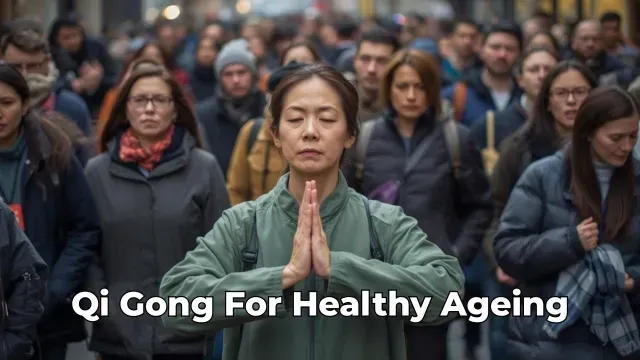
Healthy Ageing Through Qi Gong: A Gentle Practice for Life
Healthy ageing with Qi Gong is a gentle practice that helps support mobility, balance, energy, mental clarity and overall wellbeing as we move through life's later decades.
Many people assume that ageing inevitably means becoming weaker, less mobile and increasingly limited in what they can do. While ageing brings natural changes to the body, there is growing recognition that how we age is influenced by the habits and practices we maintain throughout our lives.
Qi Gong offers a simple and sustainable approach to healthy ageing. Through gentle movement, relaxed breathing and mindful awareness, it encourages people to keep moving, stay connected to their bodies and maintain physical and mental wellbeing without placing excessive strain on the joints or muscles.
One of the reasons Qi Gong has remained popular for centuries is that it can be adapted to suit different ages and abilities. Whether you are looking to maintain your independence, improve your balance, increase your energy or simply continue enjoying an active life, Qi Gong provides a practical way to support your long-term health.
Healthy ageing is not about trying to stop the ageing process. It is about caring for your body and mind in ways that help you continue doing the things you value for as long as possible.
If you are new to the practice, begin with What Is Qi Gong? Origins, Principles & Benefits to understand the foundations and why this ancient art continues to support healthy ageing around the world.
"Healthy ageing is not simply about adding years to life. It is about maintaining mobility, balance, vitality and independence so that those years can be lived with greater confidence, wellbeing and enjoyment."
Learn Qi Gong at home at the Bright Beings Academy
5 ⭐⭐⭐⭐⭐ Rating On Google Reviews

Why Qi Gong Is Well Suited to Healthy Ageing
One of the challenges of healthy ageing is finding a form of exercise that supports the body without placing unnecessary strain on it.
Many people want to stay active, but high-impact activities can become less appealing as joints stiffen, balance changes or recovery takes longer than it once did. This is where Qi Gong offers something unique.
Qi Gong combines gentle movement, breathing and mindful awareness in a way that can be adapted to a wide range of ages, fitness levels and physical abilities. The movements are typically slow and controlled, making them accessible for people who may not feel comfortable with more demanding forms of exercise.
Another reason Qi Gong is well suited to healthy ageing is that it works with multiple aspects of wellbeing at the same time. Rather than focusing solely on strength, flexibility or cardiovascular fitness, it supports balance, coordination, mobility, posture, breathing and mental focus within a single practice.
Many people also appreciate that Qi Gong can be practised almost anywhere. It requires very little equipment, can be adapted for seated practice if needed and can easily become part of a daily routine.
Perhaps most importantly, Qi Gong encourages consistency. Healthy ageing is rarely the result of occasional bursts of activity. It is usually supported by small, sustainable habits that can be maintained over many years.
If you are looking for a practice specifically designed for older adults, Qi Gong for Seniors: Gentle Exercises for Over 60s explores this topic in greater detail.
"Qi Gong supports healthy ageing by combining gentle movement, breathing and awareness into a practice that can be adapted to almost any stage of life. Its simplicity and accessibility make it a sustainable option for long-term wellbeing."
Supporting Mobility, Balance and Independence
Maintaining mobility and balance is one of the most important aspects of healthy ageing.
Simple activities such as walking, climbing stairs, carrying shopping or getting up from a chair all rely on a combination of strength, coordination, balance and confidence. When these abilities begin to decline, everyday life can become more challenging.
Qi Gong helps support these essential functions through gentle, controlled movements that encourage the body to move in a balanced and coordinated way. Many practices involve shifting weight from one leg to another, improving posture and developing greater awareness of how the body moves through space.
Over time, this can help improve stability and confidence in movement. Many practitioners report feeling steadier on their feet, more comfortable with daily activities and more aware of their body's position and alignment.
Balance is not only physical. Confidence also plays an important role. When people feel uncertain about their mobility, they may begin avoiding activities they once enjoyed. Gentle movement practices such as Qi Gong can help rebuild trust in the body and encourage continued participation in daily life.
Maintaining independence is often one of the primary goals of healthy ageing. The ability to move comfortably, perform everyday tasks and remain active within your community contributes significantly to overall quality of life.
For a deeper look at balance-focused practice, see Qi Gong For Balance And Falls Prevention: Daily Stability.
Healthy ageing often begins with maintaining mobility and movement confidence. For a deeper exploration of this topic, see How To Keep Your Joints Healthy As You Age.
"Mobility, balance and independence are closely connected. Qi Gong helps support all three by encouraging steady movement, improved body awareness and greater confidence in everyday activities."
Maintaining Energy and Vitality as You Age
Many people associate ageing with an unavoidable decline in energy. While it is true that our bodies change over time, feeling constantly tired or lacking vitality is not something we should simply accept without question.
Energy is influenced by many factors, including sleep quality, physical activity, emotional wellbeing, stress levels and overall health. When one or more of these areas becomes compromised, it can affect how energetic and engaged we feel in daily life.
Qi Gong takes a holistic approach to vitality.
Through gentle movement and breathing, the practice encourages circulation, reduces unnecessary tension and helps the body use its energy more efficiently. Many practitioners find that a short session leaves them feeling refreshed and more alert rather than exhausted.
Unlike intense forms of exercise that can sometimes leave people feeling depleted, Qi Gong is designed to cultivate and conserve energy. This makes it particularly appealing for those who want to remain active without placing excessive demands on their body.
Many older adults also appreciate that Qi Gong can be adapted to suit changing energy levels. On days when you feel strong and motivated, you can enjoy a longer practice. On more challenging days, even a few minutes of gentle movement can help maintain consistency and support wellbeing.
Healthy ageing is not only about adding years to life. It is also about maintaining the energy to enjoy those years fully and continue participating in the activities, relationships and experiences that matter most.
If energy levels are a particular concern, Qi Gong for Energy: Boost Vitality Naturally explores how regular practice can help support vitality and reduce fatigue.
"Vitality is an important part of healthy ageing. Qi Gong helps support energy by encouraging movement, circulation and relaxation, creating a sustainable practice that can be maintained throughout life."
Brain Health, Focus and Mental Wellbeing
Healthy ageing is about much more than physical health. Maintaining mental clarity, focus and emotional wellbeing is equally important for quality of life.
As we age, many people become increasingly interested in supporting memory, concentration and cognitive function. While occasional forgetfulness is a normal part of life, keeping the mind active and engaged can help support long-term wellbeing.
Qi Gong encourages this through the combination of movement, breathing and mindful attention.
Unlike exercises that can be performed on autopilot, Qi Gong invites you to stay present with each movement and breath. This gentle mental engagement helps develop body awareness, concentration and focus while also encouraging relaxation.
Many practitioners report feeling mentally clearer after practice. The combination of movement and calm breathing can help reduce mental clutter, improve concentration and create a greater sense of emotional balance.
Emotional wellbeing is also closely connected to healthy ageing. Feelings of purpose, connection and resilience all contribute to overall quality of life. By creating regular opportunities for calm and self-awareness, Qi Gong can become a valuable tool for supporting emotional and mental health throughout the ageing process.
The goal is not simply to maintain physical function. It is to support the whole person, allowing body and mind to work together in a way that promotes independence, confidence and wellbeing.
If you would like to explore this aspect further, Qi Gong for Brain Health and Memory: Improve Focus, Clarity and Cognitive Function Naturally and Qi Gong for Mental Clarity and Focus: Calm Your Mind Naturally provide additional guidance.
"Healthy ageing involves caring for both body and mind. Qi Gong supports mental clarity, focus and emotional wellbeing through practices that encourage presence, awareness and gentle self-care."
Are You Looking For A Structured Arthritis-Friendly Qi Gong Programme?
Many people understand that gentle movement can help support mobility and flexibility, but struggle to know where to begin.
The Qi Gong for Healthy Joints course has been designed to guide you through simple, accessible practices that may help you move with greater comfort, confidence and ease.
Discover The Qi Gong For Healthy Joints Course
Healthy Ageing Is About More Than Physical Health
When people think about healthy ageing, they often focus on physical factors such as mobility, strength and medical conditions. While these areas are certainly important, healthy ageing also includes emotional wellbeing, social connection and a sense of purpose.
Research consistently shows that people who remain engaged with life, maintain meaningful relationships and continue learning new things often experience a higher quality of life as they age.
Qi Gong supports these broader aspects of wellbeing in several ways.
The practice encourages mindfulness and self-awareness, helping people remain connected to themselves rather than becoming defined by age-related changes. Many practitioners describe Qi Gong as a time to slow down, reconnect and appreciate what their body can do rather than focusing on what it cannot.
For those who practise in groups, Qi Gong can also provide valuable social interaction and community connection. Sharing a regular practice with others can reduce feelings of isolation and create a sense of belonging that supports overall wellbeing.
Healthy ageing is not about avoiding every challenge that comes with growing older. It is about developing the physical, mental and emotional resources needed to continue living a meaningful and fulfilling life.
This broader perspective is one reason why many people continue practising Qi Gong for years or even decades. It supports not only physical function but also a deeper sense of balance, connection and enjoyment of life.
If you are interested in building a long-term practice, How to Learn Qi Gong Online provides practical guidance for getting started and maintaining consistency.
"Healthy ageing involves far more than physical fitness. Qi Gong supports emotional wellbeing, social connection, self-awareness and a sense of purpose, helping people remain engaged with life as they grow older."
What to Expect When You Practise Qi Gong for Healthy Ageing
Many people begin practising Qi Gong because they want to stay active, maintain their independence and support their health as they age.
While some benefits may be noticed quite quickly, healthy ageing through Qi Gong is usually a gradual process that develops through regular practice over time.
In the early stages, people often report feeling more relaxed, moving more comfortably and becoming more aware of their posture and breathing. These changes may seem small at first, but they can provide the foundation for larger improvements in wellbeing.
As the practice becomes part of your routine, you may notice improvements in balance, mobility, flexibility and confidence in everyday movement. Many practitioners also report feeling mentally clearer, emotionally calmer and better able to manage the stresses of daily life.
One of the strengths of Qi Gong is that progress is not measured by athletic performance or physical achievement. The focus is on supporting your body and mind in ways that feel sustainable and appropriate for your stage of life.
Every person's experience will be different. Some people begin practising to improve their balance, while others are motivated by energy levels, mobility, stress reduction or overall wellbeing. Regardless of your starting point, the goal is to build a practice that helps you continue enjoying life with greater ease and confidence.
Healthy ageing is not about trying to turn back the clock. It is about making choices that support your wellbeing today while helping you remain active, engaged and independent in the years ahead.
If you are looking for a gentle and sustainable way to support long-term wellbeing, Qi Gong offers a practice that can grow with you throughout every stage of life.
"The benefits of Qi Gong for healthy ageing often build gradually. Through consistent practice, many people experience greater mobility, balance, confidence and wellbeing, helping them continue living life on their own terms."
Take The Next Step Towards Easier Movement
If arthritis, stiff joints or reduced mobility are affecting your quality of life, now is the perfect time to begin building healthier movement habits.
The Qi Gong for Healthy Joints course provides a clear and supportive pathway designed to help you improve mobility, maintain flexibility and develop greater confidence in your body's ability to move.
Through gentle daily practice, you can begin creating positive changes that support your joint health for years to come.
Join The Qi Gong For Healthy Joints Course Today
Final Thoughts
Healthy ageing is not about chasing youth or avoiding every challenge that comes with growing older. It is about supporting your body and mind in ways that help you continue living with confidence, independence and enjoyment.
Qi Gong offers a gentle and sustainable approach to this journey. Through mindful movement, breathing and awareness, it encourages you to care for your wellbeing in a way that is accessible, adaptable and supportive throughout every stage of life.
Whether your goal is to improve mobility, maintain balance, support mental clarity or simply stay active and engaged, Qi Gong provides a practice that can evolve alongside your changing needs.
The most important step is not perfection. It is consistency. Small actions, repeated over time, often create the greatest benefits for long-term health and wellbeing.
"Healthy ageing is a lifelong journey rather than a destination. Qi Gong supports that journey by helping you maintain movement, vitality, balance and a positive connection with yourself as the years unfold."
Next Steps
Healthy ageing is supported by the choices we make each day. Even a few minutes of gentle movement and mindful breathing can help you maintain mobility, balance, energy and wellbeing over time.
If you are new to Qi Gong, our 7-Day Qi Gong for Beginners Course offers a simple and supportive introduction to the practice. You will learn foundational movements, breathing techniques and daily exercises designed to help you build a sustainable habit that supports long-term health and vitality.
Whether your goal is to stay active, improve your balance, support your wellbeing or simply develop a practice that grows with you, this course provides an excellent place to begin.
Start the 7-Day Qi Gong for Beginners Course
If you would like ongoing guidance after completing the course, explore the Bright Beings Academy membership pathway shown below. From free learning resources and guided training through to live classes, mentoring and professional development opportunities, there is a pathway to support every stage of your Qi Gong journey.
Frequently Asked Questions About Healthy Ageing with Qi Gong
What is healthy ageing Qi Gong?
Healthy ageing with Qi Gong is the practice of using gentle movement, breathing and mindful awareness to support physical, mental and emotional wellbeing as we age. The goal is not to stop the ageing process but to maintain mobility, balance, vitality, independence and quality of life for as long as possible.
Can Qi Gong help me age more healthily?
Qi Gong may support healthy ageing by encouraging regular movement, improving body awareness, promoting relaxation and helping people maintain an active lifestyle. Many practitioners use Qi Gong as part of a long-term approach to wellbeing because it is gentle, adaptable and suitable for a wide range of ages and abilities.
Is Qi Gong suitable for older adults?
Yes. One of the reasons Qi Gong is so popular around the world is that it can be adapted for different fitness levels, mobility levels and stages of life. Many movements can be modified or performed at a comfortable pace, making the practice accessible to many older adults.
Can Qi Gong help improve balance as I get older?
Balance naturally changes with age, but regular movement can help maintain stability and confidence. Many Qi Gong practices include gentle weight-shifting movements, posture awareness and coordination exercises that may help support balance and body awareness.
Does Qi Gong help maintain mobility and flexibility?
Qi Gong encourages the body to move through comfortable ranges of motion without excessive strain. Regular practice may help support joint mobility, flexibility and ease of movement, which can contribute to maintaining independence and quality of life.
Can Qi Gong support brain health and mental clarity?
Many Qi Gong practices combine movement with focused attention and mindful breathing. This can help encourage concentration, body awareness and mental engagement. Many practitioners report feeling more focused, mentally clear and present after practising.
How often should I practise Qi Gong for healthy ageing?
Consistency is usually more important than duration. Many people benefit from practising for 10–20 minutes most days of the week. A short daily practice is often easier to maintain and can provide long-term benefits when continued consistently.
Is Qi Gong a good exercise if I do not enjoy the gym?
Many people who dislike traditional exercise enjoy Qi Gong because it is gentle, mindful and non-competitive. Rather than focusing on performance, Qi Gong emphasises wellbeing, body awareness and sustainable movement.
Can beginners start Qi Gong later in life?
Absolutely. Many people begin practising Qi Gong in their 50s, 60s, 70s and beyond. The practice can be adapted to individual needs and abilities, making it accessible even if you have never exercised regularly before.
What is the most important benefit of Qi Gong for healthy ageing?
While benefits vary from person to person, many practitioners value the way Qi Gong supports multiple aspects of wellbeing at the same time. It encourages movement, balance, relaxation, mental focus and self-awareness, helping people stay active, engaged and connected to life as they age.
Further Reading
What Is Qi Gong? Origins, Principles & Benefits
Learn the foundations of Qi Gong and discover why this ancient practice continues to support health, vitality and wellbeing around the world.
The Healing Power of Qi Gong: Ancient Practice, Modern Benefits
Explore the physical, emotional and mental health benefits that have made Qi Gong a lifelong practice for millions of people.
Qi Gong for Seniors: Gentle Exercises for Over 60s
Discover practical ways older adults can use Qi Gong to support mobility, confidence and everyday wellbeing.
Qi Gong For Balance And Falls Prevention: Daily Stability
Learn how gentle balance-focused movements can help improve stability, body awareness and confidence in daily life.
Qi Gong for Brain Health and Memory: Improve Focus, Clarity and Cognitive Function Naturally
Explore how Qi Gong may support mental clarity, concentration and healthy cognitive ageing.
Qi Gong for Heart Health, Blood Pressure & HRV
Discover how breathing, movement and relaxation can contribute to cardiovascular wellbeing.
Qi Gong for Arthritis & Joint Pain: Gentle Relief
A gentle guide to using Qi Gong to support joint mobility, comfort and everyday movement.
Qi Gong for Osteoporosis and Bone Strength: Safe Movement for Fragile Bones
Learn how appropriate movement can help support confidence, posture and bone health as you age.
I look forward to connecting with you in my next post.
Until then, be well and keep shining.
Peter. :)