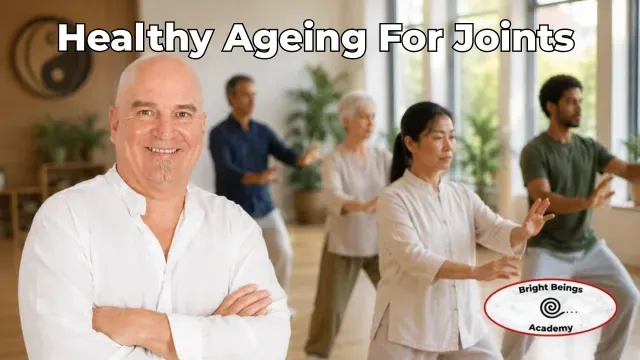
How To Keep Your Joints Healthy As You Age
One of the most effective ways to keep your joints healthy as you age is through regular movement, maintaining flexibility, supporting balance and developing simple daily habits that help your body continue moving comfortably and confidently.
Healthy joints play an important role in how we move, feel and experience everyday life.
Whether you enjoy walking, gardening, exercising, travelling or simply moving around your home comfortably, good joint health helps support independence, confidence and overall wellbeing.
As we age, it is natural to notice changes within the body. Stiffness may become more common. Flexibility may decrease. Movements that once felt effortless can sometimes require a little more attention and care.
The good news is that growing older does not automatically mean giving up mobility or accepting discomfort as inevitable.
Many of the factors that support healthy joints can be influenced through simple daily habits. Gentle movement, improved flexibility, balance training, body awareness and consistent physical activity can all play an important role in maintaining mobility and supporting long-term joint health.
If you are already experiencing discomfort, stiffness or reduced mobility, you may also find Qi Gong for Arthritis & Joint Pain: Gentle Relief helpful as an introduction to how gentle movement practices can support joint health and everyday mobility.
In this guide, we will explore practical ways to keep your joints healthy as you age, common signs that your joints may need additional support and why gentle practices such as Qi Gong are becoming increasingly popular among people looking to move with greater ease and confidence throughout life.
"Healthy joints are supported by regular movement, flexibility, balance and simple daily habits that help you keep moving with comfort and confidence as you age."
Common Signs Your Joints May Need More Support
Joint health changes gradually for most people. In many cases, the signs appear long before mobility becomes a significant concern.
Recognising these early signals can help you take positive action before stiffness, discomfort or reduced mobility begin affecting everyday activities.
Common signs that your joints may benefit from additional support include:
Morning Stiffness
Many people notice their joints feel stiff when they first wake up. While some stiffness can be a normal part of ageing, persistent stiffness may indicate that your joints would benefit from more regular movement and mobility work.
Reduced Flexibility
If bending, reaching, squatting or turning feels more difficult than it once did, reduced flexibility may be affecting the way your joints move and function.
Aches After Periods Of Inactivity
Long periods of sitting can often make joints feel stiffer and less comfortable. This is one reason regular movement is so important for maintaining mobility.
Feeling Less Stable Or Confident
Changes in balance, coordination and movement confidence can sometimes occur as flexibility and mobility decrease.
You may find our guide to Qi Gong For Balance And Falls Prevention: Daily Stability helpful if balance has become a growing concern.
Reduced Range Of Movement
Many people begin noticing that movements feel smaller, tighter or less comfortable than they used to. This can affect everything from walking and gardening to lifting, carrying and everyday household activities.
More Frequent Joint Discomfort
Occasional aches and discomfort can have many causes. However, recurring discomfort may be a sign that your joints would benefit from greater mobility, flexibility and supportive movement practices.
The encouraging news is that many of these changes can often be supported through consistent, gentle movement. The goal is not to push the body harder, but to help it move more freely, comfortably and confidently over time.
Gentle movement becomes increasingly important as we age, not only for our joints but for our energy, balance and confidence in everyday life. Many people find that Qi Gong offers a sustainable way to support healthy ageing without putting unnecessary strain on the body. If you would like to explore this further, read Healthy Ageing Through Qi Gong: A Gentle Practice for Life.
"Early signs such as stiffness, reduced flexibility, aches after inactivity and decreased movement confidence often indicate that your joints may benefit from more consistent and supportive movement practices."
The Biggest Mistake People Make When Their Joints Start To Stiffen
When joints begin to feel stiff or uncomfortable, many people naturally start moving less.
At first this seems sensible. If a movement feels uncomfortable, avoiding it can feel like the safest option.
Unfortunately, moving less can often create a cycle where joints become even stiffer, flexibility decreases and confidence in movement gradually reduces over time.
This does not mean people should push through discomfort or force their bodies into activities that feel unsuitable. Instead, it highlights the importance of finding forms of movement that feel supportive, sustainable and appropriate for your current abilities.
Many people are surprised to discover that improving joint health is often less about intensity and more about consistency.
Small amounts of regular movement can help support mobility, flexibility, circulation and confidence far more effectively than occasional bursts of strenuous activity.
This is one reason why practices such as Qi Gong continue to grow in popularity among older adults and those seeking a gentler approach to movement. The focus is not on performance. The focus is on helping the body move comfortably and regularly.
Over time, these small daily actions can help create healthier movement habits that support long-term joint wellbeing.
"One of the most common mistakes people make is moving less when their joints become stiff. Gentle and consistent movement is often one of the most effective ways to support long-term mobility, flexibility and movement confidence."
Are You Ready To Support Your Joints More Effectively?
If you would like a structured step-by-step approach to improving mobility, flexibility and movement confidence, the Qi Gong for Healthy Joints course provides guided practices designed specifically to support healthier movement as you age.
Inside the course, you will learn gentle Qi Gong exercises, mobility routines and daily practices that can help you move with greater ease, comfort and confidence.
Start The Qi Gong For Healthy Joints Course Today
Five Ways To Support Healthy Joints As You Age
Many people wonder what they can do to maintain healthy joints as they get older. While there is no single solution, several simple habits can make a meaningful difference over time.
1. Keep Moving Regularly
Movement helps support mobility, flexibility and overall joint function.
The body is designed to move. Long periods of inactivity can often contribute to stiffness and reduced range of motion, while regular movement helps maintain confidence and comfort in everyday activities.
The goal is not intense exercise. The goal is consistent movement.
2. Improve Flexibility Gradually
Flexibility naturally changes with age, but that does not mean it cannot be supported.
Gentle stretching, mobility exercises and practices such as Qi Gong can help maintain comfortable movement patterns while encouraging greater body awareness.
If you are interested in gentle movement practices for later life, you may also enjoy Healthy Ageing Through Qi Gong: A Gentle Practice for Life.
3. Support Balance And Stability
Strong mobility is not only about flexibility.
Balance and coordination play important roles in helping people feel confident and capable as they move through everyday life.
Simple balance exercises and mindful movement practices can help support stability and reduce fear of movement as we age.
4. Stay Hydrated And Nourished
Many people search for ways to "lubricate joints naturally".
While joints do not work like mechanical parts, staying hydrated and eating a balanced diet supports overall health and wellbeing.
Nutrients, hydration and movement all work together to help the body function at its best.
If persistent joint discomfort is a concern, it is always advisable to seek guidance from an appropriate healthcare professional.
5. Practise Gentle Movement Consistently
Perhaps the most important factor is consistency.
Small daily practices often create greater long-term benefits than occasional bursts of activity.
This is one reason many people choose Qi Gong. The movements are gentle, accessible and designed to be practised regularly without placing excessive strain on the body.
Many students find that consistent practice helps them maintain mobility, flexibility and movement confidence as they age.
"Healthy joints are often supported by a combination of regular movement, flexibility, balance, hydration and sustainable daily habits practised consistently over time."
Why Qi Gong Is Ideal For Ageing Joints
As we age, many people begin searching for forms of exercise that support mobility and flexibility without placing excessive strain on the body.
This is where Qi Gong can offer a unique approach.
Qi Gong combines gentle movement, mindful breathing and body awareness into a practice that can be adapted to a wide range of ages, fitness levels and movement abilities. Rather than focusing on intensity, Qi Gong encourages comfortable and sustainable movement that can be practised consistently over time.
For many people, this makes it an ideal option for supporting healthy joints, maintaining mobility and building confidence in movement.
Regular practice may help support:
• joint mobility and flexibility
• balance and coordination
• posture and body awareness
• movement confidence
• healthy ageing and long-term wellbeing
• comfortable daily movement
If you are already experiencing stiffness, discomfort or mobility challenges, you may also find Qi Gong for Arthritis & Joint Pain: Gentle Relief helpful as it explores how gentle movement practices can support everyday joint health.
The true benefit of Qi Gong is not found in a single session. It comes from developing a simple practice that becomes part of everyday life.
Small, consistent actions often create the greatest long-term results.
For this reason, many people find Qi Gong becomes more than an exercise routine. It becomes a sustainable way to support movement, mobility and wellbeing throughout the ageing process.
"Qi Gong offers a gentle and sustainable approach to supporting healthy joints, helping many people maintain mobility, flexibility and movement confidence as they age."
Are You Ready To Support Your Joint Health?
If you would like a structured and practical approach to improving mobility, flexibility and movement confidence, the Qi Gong for Healthy Joints course has been designed specifically for that purpose.
Inside the course, you will learn gentle Qi Gong exercises, guided mobility practices and simple daily routines that can help you support your joints through calm and consistent movement.
Whether your goal is to improve flexibility, support arthritis management, reduce stiffness or maintain mobility as you age, the course provides a clear pathway that you can follow at your own pace.
Explore The Qi Gong For Healthy Joints Course
Final Thoughts
Keeping your joints healthy as you age is rarely about finding a quick fix.
More often, it comes down to the small choices you make each day. Regular movement, maintaining flexibility, supporting balance and developing sustainable habits can all contribute to healthier mobility and greater confidence over time.
The encouraging news is that it is never too late to begin.
Whether you are noticing the first signs of stiffness, looking to maintain your mobility for the years ahead or searching for a gentler approach to supporting your body, consistent movement can play a valuable role in helping you stay active and independent.
Practices such as Qi Gong offer a simple and accessible way to support healthy ageing, encouraging movement that feels comfortable, sustainable and supportive for both body and mind.
The goal is not perfection.
The goal is to keep moving, keep adapting and continue caring for your body in ways that support long-term wellbeing and quality of life.
"Healthy joints are often the result of small, consistent daily habits that support mobility, flexibility, balance and confident movement throughout life."
Your Next Steps
If you would like to continue supporting your joint health through gentle movement, a great place to begin is the Qi Gong for Beginners Course.
This structured pathway will help you develop confidence in movement, improve body awareness and establish a simple daily Qi Gong practice that supports long-term mobility, flexibility and wellbeing.
Below, you will also find additional Bright Beings Academy membership pathways that can support you at different stages of your Qi Gong journey, from beginner foundations through to regular practice and deeper development.
Whatever stage you are at, the most important step is simply to begin.
Small daily actions often create the greatest long-term changes.
Frequently Asked Questions On How To Keep Your Joints Healthy
How Do I Keep My Joints Healthy As I Age?
One of the most effective ways to support healthy joints is through regular movement, maintaining flexibility, supporting balance and avoiding long periods of inactivity. Consistent habits often have a greater impact than occasional intense efforts. Gentle movement practices such as Qi Gong can help support mobility and movement confidence as you age.
What Are The Signs Of Weak Joints?
Common signs may include stiffness, reduced flexibility, discomfort during movement, decreased range of motion, poor balance and feeling less confident during everyday activities. These changes often develop gradually over time and may benefit from supportive movement practices.
How Can I Lubricate My Joints Naturally?
Joints do not work like mechanical parts that can simply be lubricated. However, regular movement helps support circulation, mobility and the natural movement of fluids within the joints. Staying hydrated and maintaining an active lifestyle can also support overall joint health.
What Food Is Good For Joint Health?
A balanced diet containing vegetables, fruit, healthy fats, quality protein and adequate hydration supports overall wellbeing, including joint health. While no single food guarantees healthy joints, good nutrition works alongside movement, sleep and healthy lifestyle habits to support long-term wellbeing.
What Am I Lacking If My Joints Hurt?
Joint discomfort can have many causes, including overuse, inactivity, ageing, injury, inflammation or underlying health conditions. Persistent joint pain should always be discussed with an appropriate healthcare professional who can assess your individual circumstances.
What Is The Best Exercise For Ageing Joints?
The best exercise is usually one that feels sustainable, enjoyable and appropriate for your body. Many people benefit from low-impact activities that support mobility, flexibility and balance. Qi Gong is often chosen because it combines all three within a gentle and accessible practice.
Can Flexibility Improve With Age?
Yes. While flexibility naturally changes throughout life, many people experience improvements through regular stretching, mobility work and gentle movement practices. Consistency is often more important than intensity.
Is Qi Gong Good For Ageing Joints?
Many people practise Qi Gong to support mobility, flexibility, balance and movement confidence as they age. The slow, controlled movements make it accessible to a wide range of ages and abilities, while encouraging sustainable movement habits that can be maintained long term.
Can Stiff Joints Become More Flexible?
In many cases, gentle and consistent movement can help improve mobility and flexibility over time. The key is to work with the body gradually rather than forcing movement beyond a comfortable range.
How Often Should I Practise Qi Gong For Joint Health?
Short, regular practice sessions are often more beneficial than occasional longer sessions. Many people find that even 10 to 20 minutes of daily practice helps support mobility, flexibility and movement confidence over time.
Further Reading
Qi Gong for Healthy Joints
Take a structured approach to supporting mobility, flexibility and movement confidence through guided Qi Gong practices designed specifically for healthier joints.
Qi Gong for Arthritis & Joint Pain: Gentle Relief
Discover how gentle Qi Gong exercises may help support mobility, flexibility and everyday movement confidence for people experiencing arthritis and joint discomfort.
Healthy Ageing Through Qi Gong: A Gentle Practice for Life
Learn how Qi Gong can support healthy ageing through improved balance, mobility, flexibility and overall wellbeing.
Qi Gong for Seniors: Gentle Exercises for Over 60s
Explore simple and accessible Qi Gong practices designed to help older adults maintain movement confidence, balance and mobility.
Qi Gong For Balance And Falls Prevention: Daily Stability
Learn practical exercises and techniques that may help improve stability, coordination and confidence in everyday movement.
Qi Gong for Osteoporosis and Bone Strength: Safe Movement for Fragile Bones
Explore how gentle movement and body awareness practices may support healthy ageing, posture and confidence when living with reduced bone density.
I hope this guide has helped you better understand how to support your joints through gentle, sustainable daily habits.
Remember, healthy ageing is not about moving perfectly. It is about continuing to move, adapt and care for your body in ways that feel supportive and achievable.
Small steps practised consistently often create the greatest changes over time.
I look forward to connecting with you in my next post.
Until then, be well and keep shining.
Peter. :)