Inner Calm After Work: 5 Local Practices Around KT6
Finding inner calm after work around KT6 can begin with a few gentle practices that help create space between the pressures of the day and the rest of your evening.
For people living in Long Ditton, Surbiton, Thames Ditton, Kingston upon Thames and nearby areas, commuting, deadlines and prolonged screen time can leave both the mind and body feeling unsettled.
You do not need a complicated routine or a large amount of spare time to begin slowing down. Korean-style Qi Gong, conscious breathing, meditation, sound-based practices and supportive community activities can each offer a different way to pause and reconnect with the present moment.
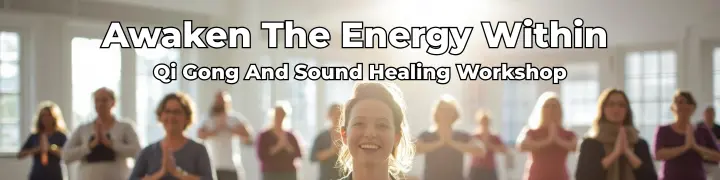
Several of these practices are brought together at the Awaken the Energy Within Workshop in Long Ditton. The workshop offers a guided progression through Korean-style Qi Gong, breathwork, meditation and sound healing for people who would prefer to explore them within a supportive local setting.
This guide explores five accessible approaches to finding greater calm after work, including practices that can be experienced locally and continued at home.
“A gentle transition after work can help you leave the demands of the day behind and enter the evening with greater awareness and ease.”
1. Korean-Style Qi Gong for Calm After Work
Korean-style Qi Gong uses gentle, repeated movements, steady breathing and focused awareness to help create a clearer transition between work and the rest of the evening.
After a day of commuting, sitting at a desk or concentrating on screens, you may notice tension in the shoulders, neck, back or hips. Moving slowly and within a comfortable range can help you become more aware of these areas without trying to force them to relax.
Qi Gong can be particularly approachable after work because it does not require complex sequences, special equipment or a high level of fitness. A short practice can be completed at home, while a guided class or workshop provides structure and support for those who are new to the movements.
Carol Hardy described her experience after attending:
“Although I had never even heard of Qi Gong before, I was curious to give it a try. I feel very relaxed afterwards. It helps me sleep better and keep perspective.”
This reflects Carol’s personal experience rather than a result that can be guaranteed for everyone.
For practical guidance before attending a first local session, read Beginner’s Qi Gong in the Kingston Area: First Class Checklist.
“A short Korean-style Qi Gong practice can offer a gentle way to move, breathe and leave some of the working day behind.”
2. Breathwork for Calm After Work
Breathwork can offer a simple way to pause after work and bring attention back to the body.
When the day has been busy, breathing may become shallow or uneven without you noticing. Gently slowing the breath can help create a clearer transition between work and the evening, although it should never feel forced or uncomfortable.
One accessible practice is box breathing. You breathe in, pause, breathe out and pause again for equal counts. Begin with a comfortable rhythm rather than trying to hold the breath for too long. Stop and return to natural breathing if you feel light-headed, anxious or unwell.
A few quiet minutes may be enough to interrupt the momentum of the working day. Breathwork can be practised while sitting at home, before leaving the car or after changing out of work clothes.
For a fuller introduction to guided breathing practices, read Meditation and Breathwork Classes Near Surbiton and Long Ditton.
“A few minutes of comfortable, conscious breathing can help create a gentler transition from work into the evening.”
3. Meditation for a Quieter Evening
Meditation can help create a pause between the activity of the working day and the quieter rhythm of the evening.
You do not need to stop every thought or sit perfectly still. A simple guided practice may involve noticing the breath, becoming aware of physical sensations and gently returning attention to the present whenever the mind wanders.
This can be especially helpful when work-related thoughts continue after you have finished for the day. Rather than trying to force the mind to become quiet, meditation offers a way to notice those thoughts without becoming completely absorbed in them.
Begin with five or ten minutes in a comfortable position. Some people prefer to meditate after gentle movement or breathwork, as this can make stillness feel more approachable.
Nicola Rotheroe described her experience after attending the workshop:
“The Qi Gong was clear and concise, and the sound healing was a very relaxing close to the session. The stillness continued to the next day.”
This reflects Nicola’s personal experience rather than an outcome that can be guaranteed.
“A short meditation can help you notice lingering thoughts from the day and return gently to the present moment.”
4. Sound Baths and Gong Healing After Work
A sound bath can offer a restful alternative when you feel too tired for movement or find it difficult to settle through meditation alone.
During a sound bath, you usually sit or lie comfortably while instruments such as gongs, singing bowls, chimes and the human voice create changing layers of sound. There is nothing you need to perform or achieve. You can simply listen and notice how your body and attention respond.
Some people experience the sounds as calming or grounding, while others remain alert or notice thoughts, emotions and physical sensations. There is no correct response, and sound should not be expected to do the work for you or guarantee relaxation.
Janet Atkins described her experience after attending the workshop:
“The sound healing and opening of the chakras was amazing. I left feeling refreshed and slept so well that night.”
This was Janet’s personal experience and should not be treated as a promised result.
You can read more first-hand reflections from beginners and experienced students in Qi Gong & Sound Healing Testimonials: Real Stories from Long Ditton.
For a clearer explanation of the different sound-based experiences, read Gong Bath vs Sound Bath in Kingston: What’s the Difference?
To explore nearby workshops and sound-healing opportunities, read What’s On: Gong & Sound Healing Events in Kingston & Surrey.
“A sound bath can provide a quiet space to lie down, listen and let the working day begin to recede.”
5. Community Connection After Work
Calm does not always have to come from practising alone. Spending time with supportive people can also help create a healthier transition out of work mode.
A local class or workshop offers structure, shared experience and a reason to step away from screens and routine. For some people, simply being in a welcoming room with others can reduce the sense of isolation that sometimes follows a demanding day.
Community does not mean that you have to speak openly, socialise extensively or share personal experiences. You can take part quietly, move at your own pace and connect in whatever way feels comfortable.
The most helpful environment is one that feels inclusive, respectful and free from pressure. The practice remains important, but the sense of being alongside others can add steadiness and encouragement.
To explore this aspect of attending in greater depth, read Community & Connection: Why Group Energy Matters in Long Ditton.
“A supportive local group can make it easier to step out of work mode and reconnect with a calmer sense of presence.”
Final Thoughts on Finding Inner Calm After Work Around KT6
Finding inner calm after work around KT6 does not require a perfect routine or a large amount of spare time.
To understand how direct guidance, shared practice and dedicated time away from everyday distractions can support the experience, read The Benefits of Attending a Workshop in Person: Long Ditton & Beyond
Korean-style Qi Gong, breathwork, meditation, sound baths and supportive community activities each offer a different way to create distance from the pressures of the working day. Some people may respond best to movement, while others may prefer quiet breathing, guided stillness or immersive sound.
The most helpful practice is usually the one that feels manageable enough to return to regularly. Even a short period of conscious movement, breathing or stillness can become a meaningful boundary between work and the rest of the evening.
There is no need to force yourself to relax or expect a particular result. Begin gently, notice how you respond and choose the approach that supports you most naturally.
“Inner calm often begins with one simple practice that helps you leave the working day behind and return to yourself.”
Next Steps: Find Calm After Work Locally
The clearest next step is to experience several of these practices together at the Awaken the Energy Within Workshop in Long Ditton.
The workshop combines Korean-style Qi Gong, breathwork, meditation and sound healing within one guided session. Visit the current workshop page to check the latest date, start and finish time, price, availability, accessibility information and booking arrangements before attending.
For regular local practice, Bright Beings Academy also offers Qi Gong classes in New Malden and Qi Gong classes in Hook and Chessington. Check the relevant class page for current timetables, prices and attendance information.
The workshop is the most suitable next step for exploring several calming practices together. A regular class may be more appropriate for people who want a steady weekly routine.
“Choose the combined workshop for a broader experience, or a local Qi Gong class for regular guided practice.”
Frequently Asked Questions About Finding Inner Calm After Work Around KT6
How long should I practise after work?
Even five to ten minutes can be a useful place to begin. The aim is to create a clear pause between work and the rest of your evening, rather than complete a long or demanding routine.
Which practice is best when I feel mentally overwhelmed?
Gentle breathing or simple Qi Gong movements may feel easier than sitting still immediately. Once the body has had time to move and settle, meditation may become more approachable.
What can I do if I feel too tired to exercise?
Choose a quieter option such as breath awareness, guided meditation or a sound bath. Qi Gong can also be practised gently, without treating it as a strenuous workout.
Can these practices help me sleep better?
Some people find that a calmer evening routine helps them feel more prepared for sleep, but results vary. Persistent sleep difficulties should be discussed with an appropriate healthcare professional.
Do I need previous experience?
No. Korean-style Qi Gong, basic breathwork and guided meditation can all be approached by complete beginners. Sound baths also require no previous experience.
Can I practise at home?
Yes. Short Qi Gong, breathing and meditation practices can be used at home after work. A guided class or workshop may be helpful when you are learning or want the support of a group.
What should I do if breathwork makes me feel uncomfortable?
Return to your natural breathing and stop the exercise. Do not continue if you feel light-headed, anxious or unwell. Anyone with relevant health concerns should seek suitable professional guidance.
Where can I experience these practices near KT6?
The Awaken the Energy Within Workshop in Long Ditton brings together Korean-style Qi Gong, breathwork, meditation and sound healing. Regular Qi Gong classes are also available in New Malden and Hook or Chessington. Check the relevant page for current dates, times, prices and availability before attending.
Further Reading
To explore how gentle movement and breathing may support a calmer evening and greater readiness for rest, read Qi Gong for Stress and Sleep in Surrey.
For a wider guide to nearby Qi Gong classes, workshops and local practice opportunities, visit Qi Gong in Long Ditton KT6: A Supportive Local Guide to Classes and Workshops.
I look forward to connecting with you in the next post.
Until then, be well and keep shining,
Peter. :)