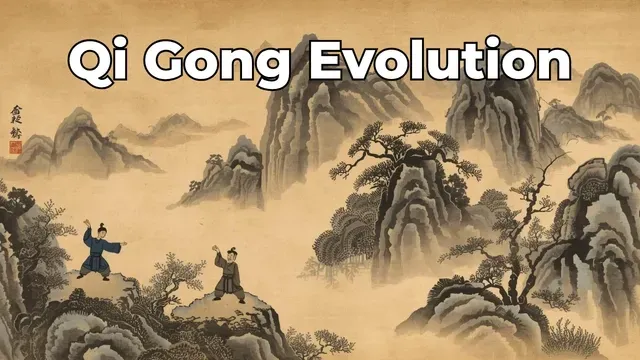
Qi Gong Evolution: From Ancient Roots to Modern Wellness Benefits
Qi Gong evolution is not just a story about the past. It is the reason this practice still works so well for modern life.
Over thousands of years, Qi Gong has evolved from simple body movements and breathing exercises into a complete system for energy, health, and inner balance. What began as ancient practices for survival, healing, and longevity has gradually adapted to support stress, fatigue, and emotional overwhelm in today’s world. This is the true value of Qi Gong evolution—it has changed with human needs while keeping its core principles intact.
If you are new to the practice, it helps to understand what Qi Gong actually is before exploring how it evolved. You can start here:
What Is Qi Gong? Origins, Principles & Benefits
And if you want a simple, structured way to experience how Qi Gong fits into modern life, this guide will support you step by step:
Qi Gong for Beginners: The Complete Guide to Energy, Health, and Inner Balance
In this article, we will explore how Qi Gong moved from ancient traditions into modern wellness, how it adapted across cultures, and why it remains one of the most practical ways to restore balance in a busy, overstimulated world.
"At its heart, Qi Gong evolution is not about changing the practice. It is about making it accessible, simple, and deeply relevant to the life you are living today."
Learn Qi Gong at home at the Bright Beings Academy
5 ⭐⭐⭐⭐⭐ Rating On Google Reviews

Ancient Roots of Qi Gong
Qi Gong evolution begins long before the name itself existed.
In ancient China, early practices such as daoyin (guiding and stretching the body) and xingqi (circulating breath and energy) were used to maintain health, ease discomfort, and support longevity. These simple movements and breathing methods were not separate from daily life. They were practical tools to keep the body functioning well and the mind calm.
Over time, these early methods were shaped by three major influences:
Daoist philosophy, which focused on living in harmony with nature and conserving energy
Traditional Chinese medicine, which connected movement and breath to organ health and meridian flow
Martial traditions, which refined these practices for strength, resilience, and internal power
These influences slowly formed what we now recognise as Qi Gong.
If you would like a deeper look into where these practices began, you can explore:
Qi Gong Origins: India, Buddhism and Shaolin
What matters for understanding Qi Gong evolution is this: the foundation has always been simple. Gentle movement, steady breathing, and focused awareness working together to support the whole system.
That simplicity is why Qi Gong could evolve without losing its essence. It was never fixed or rigid. It was always designed to adapt.
To understand how Qi Gong developed into the practice we know today, it helps to explore The History of Qi Gong: Ancient Roots, Living Practice
How Qi Gong Evolved Across Cultures and Time
As Qi Gong evolved, it did not stay fixed in one place or one form. It moved, adapted, and reshaped itself depending on the needs of the people practising it.
In China, Qi Gong gradually became more systematised. Different schools developed structured routines for health, martial training, and spiritual cultivation. What was once informal and intuitive began to take clearer forms that could be taught and repeated.
As these practices spread beyond China, they continued to evolve.
In Korea, for example, energy practices developed their own emphasis. Korean-style Qi Gong places strong attention on the lower Dahn Jon (energy centre in the lower belly), along with rhythmic tapping, simple repetitive movements, and brain–body connection. The aim is not complexity, but clarity—helping the body settle and the mind become quieter.
This shift reflects something important in Qi Gong evolution.
The practice has always adapted to what people struggle with most.
In ancient times, the focus may have been survival, physical strength, or longevity. Today, many people are dealing with stress, overstimulation, and disconnection from the body. Modern forms of Qi Gong respond to this by becoming simpler, more accessible, and easier to integrate into daily life.
If you would like to understand how these changes translate into real benefits today, this article explores it in more depth:
The Healing Power of Qi Gong: Ancient Practice, Modern Benefits
What we see through this evolution is not a loss of tradition, but a refinement. The core principles remain the same, while the way they are taught continues to meet the moment.
"Qi Gong evolved by adapting to different cultures and human needs. From structured systems in China to simplified, body-focused practices in Korea, it has remained relevant by becoming more accessible without losing its core principles."
Qi Gong in Modern Wellness: Why It Still Works Today
Qi Gong evolution has led to something very important.
A practice that was once reserved for temples, healers, and martial artists is now accessible to anyone looking for a simple, sustainable way to feel better in their body.
In today’s world, many people are living with:
Constant mental stimulation and overthinking
Low energy and persistent fatigue
Stress held in the body as tension or tightness
Disconnection from breath, posture, and physical awareness
Qi Gong fits into modern wellness because it meets these challenges directly, without adding pressure.
The slow, repetitive movements help release physical tension.
The breathing gently regulates the nervous system.
The focus on awareness brings attention back into the body.
This is not about intensity or performance. It is about restoring balance.
Modern research is beginning to reflect what these practices have been doing for centuries. Studies suggest Qi Gong may support:
Reduced anxiety and improved mood
Better sleep and reduced fatigue
Improved balance and coordination
Support for cardiovascular health, including blood pressure and heart-rate variability
If you would like to explore the research in more detail, these evidence-based overviews will guide you:
Qi Gong Evidence: What Research Says About Mental Health, HRV and Heart Health (2025–2026 Update)
Qi Gong & Cardiovascular Health: Blood Pressure, HRV & Heart Health
What stands out most in Qi Gong evolution is this:
As life has become faster and more demanding, the practice has become simpler and more accessible.
Short sessions. Gentle movements. Flexible routines.
This is why Qi Gong continues to work today. It does not fight against modern life. It fits into it.
"Qi Gong remains effective today because it directly supports modern challenges like stress, fatigue, and disconnection. Its evolution has made it simpler, more accessible, and easier to integrate into daily life."
Gong in Daily Life: How the Practice Has Adapted
One of the most important parts of Qi Gong evolution is how easily it fits into everyday life.
The practice is no longer limited to long sessions or specific settings. It has adapted to meet people where they are—at home, at work, or even in short moments throughout the day.
This flexibility is part of what makes Qi Gong sustainable.
Today, Qi Gong can look like:
A short morning routine to gently wake up the body
A few minutes of movement during a busy workday
A calming evening practice to settle the mind before sleep
Chair-based exercises for those with limited mobility
Simple standing or flowing sequences depending on energy levels
There is no single “correct” way to practise. The structure has softened over time so that consistency becomes more important than intensity.
If you are exploring how to bring Qi Gong into your daily rhythm, these guides will support you:
This is where Qi Gong evolution becomes very real.
It is no longer something separate from life. It becomes part of how you move, breathe, and respond to your day.
The aim is not to do more. It is to create small, steady moments that help your system reset and return to balance.
"Qi Gong has evolved into a flexible, everyday practice that can fit into any lifestyle. Its strength lies in simplicity, consistency, and the ability to meet you where you are."
Final Thoughts
Qi Gong evolution is not just about history. It is about continuity.
What began as simple practices for health, balance, and inner awareness has quietly adapted to meet each generation where it stands. The movements may look slightly different. The settings may have changed. But the essence remains the same.
Gentle movement. Steady breath. Present awareness.
In a world that often pulls your energy upward into constant thinking and doing, Qi Gong offers a way to return. Not by force, but through small, consistent moments of connection with your body.
You do not need to understand every detail of its history to benefit from it. You only need to begin.
And in many ways, that is the real story of Qi Gong evolution. It has always been simple enough to start, and deep enough to grow with you over time..
Next Steps
If you are new to the practice, begin with the Free 7-Day Online Qi Gong Course. It gives you a gentle first experience of breath, movement and awareness.
When you are ready for a more structured foundation, the 7-Day Qi Gong for Beginners Course will help you continue in a clear, steady and accessible way.
If you would like ongoing guidance and a deeper connection to the practice, you can explore the Bright Beings Academy membership options below.
Inside the Academy, you will find:
Live weekly Qi Gong classes you can join from home
A growing library of on-demand sessions
Structured pathways to support your energy, health, and inner balance
A calm, supportive space to practise at your own pace
There is no need to rush this.
Start where you are. Keep it simple. Let the practice meet you gently, one step at a time.
FAQs: Qi Gong Evolution
What does Qi Gong evolution mean?
Qi Gong evolution refers to how the practice has developed over thousands of years. What began as simple movement and breathing exercises for health and survival has gradually adapted into a modern wellness practice that supports stress, energy, and emotional balance.
The core principles have remained the same, but the way Qi Gong is taught and practised has become more accessible for everyday life.
How has Qi Gong changed over time?
Qi Gong has changed in how it is structured and shared, not in its essence.
In ancient times, it was often practised within small groups, temples, or healing traditions. Today, it is taught in parks, clinics, studios, and online spaces. The movements have become simpler, and the practice is now easier to learn without needing years of training.
This is a natural part of Qi Gong evolution. It adapts to meet the needs of each generation.
Is modern Qi Gong different from traditional Qi Gong?
Modern Qi Gong is not completely different, but it is often simplified.
Traditional forms may include longer routines, specific sequences, or deeper links to martial arts and spiritual traditions. Modern approaches tend to focus on shorter, repeatable movements that support relaxation, energy, and nervous system balance.
Both come from the same roots. The difference is in how they are applied.
Why is Qi Gong still relevant today?
Qi Gong remains relevant because it addresses challenges that are very common in modern life, such as stress, fatigue, and mental overload.
As Qi Gong evolved, it became more flexible and accessible. This allows people to practise in short sessions, at home, or alongside a busy schedule, making it easier to stay consistent.
What is the benefit of understanding Qi Gong evolution?
Understanding Qi Gong evolution helps you see that the practice is not rigid or fixed.
It shows that Qi Gong has always been designed to adapt. This can make it easier to approach the practice without pressure, knowing that it can be shaped to suit your body, your energy, and your daily life.
Further Reading
Internal (Deepen Your Understanding of Qi Gong Evolution)
Qi Gong Origins: India, Buddhism and Shaolin
Explore the early roots of Qi Gong and how ancient traditions shaped the foundation of the practice.What Is Qi Gong? Origins, Principles & Benefits
A clear, simple explanation of what Qi Gong is and how its core principles are still used today.The Healing Power of Qi Gong: Ancient Practice, Modern Benefits
Understand how Qi Gong’s evolution has led to real, practical benefits for modern health and wellbeing.
Scientific (Modern Evidence Supporting Qi Gong’s Evolution)
Qi Gong Evidence: What Research Says About Mental Health, HRV and Heart Health (2025–2026 Update)
A comprehensive overview of modern research showing how Qi Gong supports mental health, nervous system regulation, and cardiovascular function.Qi Gong & Anxiety / Mood: 2020–2025 Evidence Overview
A focused look at how Qi Gong may help reduce anxiety and improve emotional wellbeing.Qi Gong & Cardiovascular Health: Blood Pressure, HRV & Heart Health
Explores how Qi Gong practices support heart health, blood pressure, and heart-rate variability.
I look forward to connecting with you in my next post.
Until then, be well and keep shining.
Peter. :)