Falls Prevention in KT3: Simple Qi Gong for Better Balance
Falls prevention in KT3 can be supported through calm, gentle movement that helps you feel steadier, more confident and more comfortable in your body. Many people notice that balance changes gradually over time. Walking outdoors, climbing stairs, standing for longer periods or turning quickly may begin to feel less stable than they once did.
Qi Gong offers a gentle and supportive way to work with balance without harsh exercise or intimidating fitness routines. The movements are slow, controlled and adaptable, making the practice suitable for many older adults, beginners and people wanting to rebuild movement confidence at a comfortable pace.
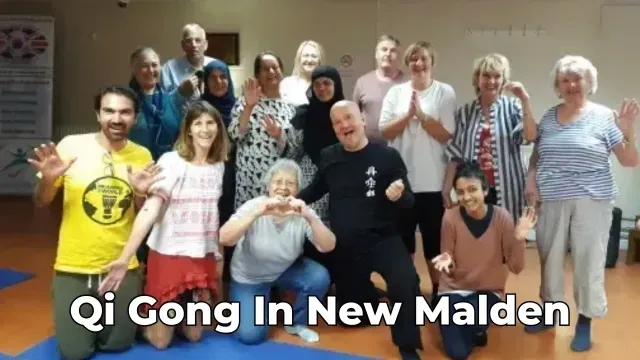
At Bright Beings Academy, the Monday Qi Gong class in New Malden includes gentle practices for posture, coordination, breathing, ankle mobility and controlled weight shifting, which are all important foundations for steadier movement.
For further information about local gentle exercise, mobility and balance support, read Gentle Exercise in New Malden: Qi Gong for Over 50s.
Qi Gong can support falls prevention by helping the body practise stability in a calm and repeatable way. Rather than forcing progress, the practice encourages safer and more controlled movement patterns that can develop gradually over time.
“Steadier movement is often built through small, consistent improvements. Calm and repeatable practice can help the body feel safer, stronger and more balanced without creating unnecessary strain or pressure.”
Why Qi Gong Can Support Falls Prevention in KT3
One reason Qi Gong can support falls prevention in KT3 is that it works with several areas that may gradually weaken through age or inactivity. Balance is not only about leg strength. It also depends on posture, coordination, ankle mobility, concentration and how confidently the body shifts weight from one foot to the other.
Qi Gong slows movement down enough for the body and nervous system to reconnect. Instead of rushing through exercises, you begin to notice where tension, stiffness, hesitation or imbalance may be affecting the way you move each day.
The gentle shifting movements used in Qi Gong can support:
Better posture and body awareness.
Improved ankle and hip mobility.
Smoother walking patterns.
Greater confidence when standing or turning.
Calmer breathing and reduced tension.
Improved concentration and coordination.
Many people also find that slower movement helps reduce some of the fear associated with falling. This matters because fear can create stiffness and hesitation, which may make natural movement feel less steady.
Our classes are designed to feel approachable and supportive rather than overwhelming. Movements can be adapted for different mobility levels, and there is no pressure to keep up or force the body beyond what feels comfortable.
For more detailed guidance on daily balance practice, read Qi Gong for Balance and Falls Prevention: Daily Stability.
“Falls prevention works best when the body feels safe enough to move with awareness rather than tension. Small improvements in posture, breathing and coordination can gradually support steadier movement over time.”
Simple Qi Gong Balance Exercises for Falls Prevention in KT3
Simple Qi Gong balance exercises can support falls prevention in KT3 when the movements remain gentle, repeatable and easy for the body to absorb. You do not need complicated routines to begin working on your balance. Slower and smaller movements are often especially helpful because they allow the nervous system to remain calm while supporting coordination and stability.
Many of the exercises used in our classes focus on controlled weight shifting, awareness of the feet and comfortable posture. These movements help the body practise skills used during everyday activities such as walking, turning, standing up and changing direction.
Helpful beginner-friendly balance exercises can include:
Gentle side-to-side weight shifts.
Heel-to-toe rolling movements.
Slow, mindful walking.
Soft knee-bending exercises.
Standing posture awareness.
Calm breathing while moving.
These exercises may appear simple, but they help develop greater awareness of how the breath, muscles, joints and balance system work together.
One of the advantages of Qi Gong is that movements can usually be adapted. Some people practise while standing independently, while others keep a stable chair nearby for reassurance and support. The goal is not performance. It is to explore steadier and safer movement in a way that feels sustainable.
For people over 60 who would benefit from a slower progression plan, read Qi Gong for Balance Over 60: A Gentle 4-Week Plan.
“Gentle balance training does not need to feel exhausting to be effective. Consistent, mindful movement can support deeper stability without pushing the body too hard or too quickly.”
Falls Prevention Classes in New Malden for Older Adults
Many people searching for falls prevention in KT3 are not looking for intense fitness classes. They are looking for something calm, supportive and realistic that helps them move with greater confidence. This is especially true for older adults who may feel stiff, cautious, unsteady or disconnected from exercise after illness, stress, injury or a long period of inactivity.
Our Qi Gong classes in New Malden focus on gentle progression rather than pressure. The atmosphere is welcoming, the movements are adaptable, and the pace allows people to settle into the practice gradually.
Classes include:
Slow, guided movement.
Gentle mobility work.
Breath-led exercises.
Balance and coordination practice.
Relaxation and nervous system calming.
Chair-supported adaptations where needed.
Many attendees appreciate having a consistent weekly routine that supports physical steadiness and emotional wellbeing. Practising in a calm group environment can also make movement feel safer and more enjoyable.
For reflections from people who attended the separate Qi Gong and sound-healing workshop in nearby Long Ditton, read Qi Gong & Sound Healing Testimonials: Real Stories from Long Ditton. These are individual participant experiences rather than guaranteed outcomes.
Our Monday lunchtime classes may be particularly suitable for:
Older adults seeking gentle exercise.
People rebuilding confidence after inactivity.
Beginners looking for low-impact movement.
Those wanting a calmer alternative to gym environments.
People seeking balance and mobility support within a welcoming community.
To explore the wider local movement pathway connected with these classes, visit New Malden Classes: Gentle Exercise Hub.
“The most helpful movement practice is often the one that feels safe enough to continue consistently. Gentle classes with supportive guidance can help people rebuild confidence step by step rather than through pressure or intensity.”
How Qi Gong Builds Stability and Walking Confidence in KT3
An important part of falls prevention is rebuilding trust in the body. After a wobble, stumble, near fall or period of reduced mobility, many people naturally become more cautious in the way they move. This can lead to tension, shorter steps, stiffness and hesitation during everyday activities.
Qi Gong can help interrupt that cycle gently.
The slow movements encourage smoother coordination between posture, breathing and foot placement. Over time, people may begin walking with greater awareness and less tension. Turning, standing and shifting weight can start to feel calmer and more controlled.
Walking confidence is often connected to several small improvements working together:
Better posture and alignment.
Greater awareness of the feet and ground.
Softer, less tense movement patterns.
More controlled breathing.
Increased confidence during transitions and turns.
Reduced fear around movement itself.
Breathing is also an important part of the practice. When the nervous system feels calmer, the body may move more smoothly and naturally. This is one reason Qi Gong can feel different from traditional exercise programmes that rely heavily on intensity or repetition.
For many older adults, the goal is not athletic performance. It is feeling more stable while walking outdoors, moving around the home, carrying shopping, climbing stairs or simply feeling less anxious about losing balance.
For broader local guidance on developing steadiness, mobility and greater trust in everyday movement, read Balance And Mobility Classes In New Malden For Confidence, Stability And Wellbeing.
If you are completely new to the practice and would like a structured starting point, begin with Qi Gong for Beginners.
“Confidence in movement is usually rebuilt gradually. Calm repetition, greater awareness and steadier breathing can help everyday walking begin to feel more natural and less stressful.”
A Gentle Home Routine for Falls Prevention and Balance in KT3
Falls prevention Qi Gong practice can become more effective when small movements are repeated consistently at home between classes. The body often responds well to gentle repetition. Even five or ten minutes a day can help support coordination, posture and movement confidence over time.
The key is to keep the routine calm and manageable. Many people stop exercising because programmes feel too intense or difficult to maintain. Qi Gong takes a different approach. Small daily practices can be more sustainable than occasional bursts of effort.
A simple home routine could include:
Two minutes of gentle ankle and shoulder loosening.
Slow side-to-side weight shifting.
Calm, mindful walking around the room.
Soft knee-bending exercises.
Standing posture awareness.
Longer, relaxed exhales to help settle the nervous system.
Practising near a stable chair or wall can provide reassurance while confidence develops. Comfortable footwear, good lighting and removing trip hazards can also help create a safer environment for home practice.
Many people find it helpful to combine short home sessions with one regular weekly class. Home practice builds familiarity, while the class environment provides guidance with posture, movement quality and confidence.
You do not need to move perfectly. The aim is consistency and body awareness rather than performance.
“Small daily movement habits can support lasting improvements. Gentle repetition helps balance, posture and confidence become more familiar and sustainable over time.”
Why Consistency Matters More Than Intensity for Falls Prevention
One of the biggest mistakes people make with falls prevention is thinking they need difficult exercises or long workout sessions to improve balance. In reality, the body often responds better to gentle and consistent movement that feels safe enough to repeat regularly.
This is one reason Qi Gong can support falls prevention in KT3 so well. The practice is built around calm repetition rather than strain. Instead of exhausting the body, the movements gradually support awareness, coordination, posture, breathing and stability.
Consistency matters because balance is not controlled by one muscle alone. It depends on communication between the brain, nervous system, joints, eyesight, posture and movement patterns. Gentle, repeated practice helps these systems work together more smoothly.
People may gradually notice changes such as:
Feeling steadier while walking.
Less stiffness when getting up or turning.
Improved posture and coordination.
Greater confidence outdoors.
Reduced fear around movement.
Better awareness of how the body moves each day.
The emotional side matters too. When movement feels calm and manageable, people are more likely to continue practising. That regular rhythm can create stronger long-term results than intense exercise plans that quickly become overwhelming or difficult to sustain.
At Bright Beings Academy, the focus is on sustainable progress rather than pressure. The aim is to help people build confidence gradually through supportive weekly practice and gentle daily movement habits.
“Balance is usually rebuilt through repetition rather than force. Small, steady movement patterns practised consistently can support meaningful improvements in confidence, coordination and everyday stability.”
What to Expect from Our KT3 Qi Gong Balance Classes
Many people feel nervous before attending their first falls prevention Qi Gong class in KT3, especially if they have not exercised for a while or are worried about keeping up. That is completely understandable. The classes are designed to feel welcoming, calm and accessible from the beginning.
The focus is not on fitness performance or complicated choreography. Instead, the sessions guide you through slow and supportive movements that help develop posture, coordination, balance, breathing and confidence step by step.
A typical class may include:
Gentle joint-loosening exercises.
Slow standing or chair-supported movements.
Calm breathing practices.
Controlled balance and weight-shifting exercises.
Relaxation to help settle the nervous system.
Adaptations for different mobility levels.
Many attendees appreciate the relaxed pace and supportive atmosphere. There is time to breathe, settle and move without pressure. The aim is to help people feel safer and more connected to their bodies rather than exhausted afterwards.
The classes are suitable for beginners, older adults and people seeking gentle support with movement, balance and mobility.
You can find the current class time, venue, price and booking information here:
For more information about the wider local pathway, read:
Gentle Exercise in New Malden: Qi Gong for Over 50s
“Supportive movement classes can help people rebuild confidence gradually. Feeling welcomed, safe and unpressured can make it easier to remain consistent and enjoy the process of improving balance over time.”
Final Thoughts on Falls Prevention in KT3 with Qi Gong
Falls prevention is not only about avoiding injury. It is also about feeling more comfortable, capable and confident in your body again. Small improvements in posture, balance, coordination and movement awareness can make everyday life feel calmer and more manageable over time.
Qi Gong offers a gentle way into that process. The movements are slow, adaptable and supportive, making them especially suitable for older adults and anyone seeking a calmer approach to improving stability and mobility.
You do not need to move perfectly or push yourself aggressively to begin noticing change. Consistent, mindful practice often creates the strongest long-term results.
Whether you are rebuilding confidence after a wobble, wanting to stay active as you age or simply looking for a more supportive style of movement, gentle balance training can become an important part of maintaining independence and wellbeing.
“Steadier movement is usually built gradually through calm repetition, supportive guidance and learning to trust the body again one small step at a time.”
Next Steps: Join a Falls Prevention Qi Gong Class in KT3
If you would like gentle support with balance, posture, mobility and steadier movement, the weekly Qi Gong class in New Malden offers a calm and welcoming place to build confidence gradually.
The class may be particularly suitable for older adults, beginners and anyone seeking a softer approach to balance and stability practice.
You can find the current class time, venue, price and booking information here:
If attending the local class is not practical, you can also explore guided live online Qi Gong practice from home:
Explore Live Online Qi Gong Classes
Frequently Asked Questions About Falls Prevention in KT3 with Qi Gong
Can Qi Gong help with falls prevention?
Qi Gong can support several factors connected with falls prevention, including balance, posture, coordination, ankle mobility, body awareness and movement confidence. The slow and controlled movements can be especially suitable for older adults seeking a gentle and sustainable approach.
Are the falls prevention Qi Gong classes suitable for beginners?
Yes. The classes are designed to welcome beginners and people returning to movement after a long break. Movements are explained clearly and can be adapted for different mobility levels.
Do I need good balance before starting Qi Gong?
No. Many people begin Qi Gong because they want to improve their balance and confidence gradually. The classes support steadier movement progressively rather than expecting participants to feel stable before they begin.
Is Qi Gong suitable for older adults?
Qi Gong can be suitable for many older adults because it is low impact, gentle on the joints and adaptable. The focus is on calm, controlled movement rather than intense exercise.
Can I practise Qi Gong at home between classes?
Yes. Short, gentle sessions at home can help reinforce balance, posture, breathing and coordination. Many people combine home practice with a weekly class for greater consistency and guidance.
What should I wear to a falls prevention Qi Gong class?
Comfortable clothing and flat, supportive footwear are usually suitable. You do not need specialist equipment or fitness clothing to begin.
Where are the KT3 Qi Gong classes held?
The class takes place in New Malden. As the timetable, venue, price and booking arrangements are time-sensitive, please check the current details here:
Where can I learn more about Qi Gong for balance?
You can explore the subject in more detail here:
Qi Gong for Balance and Falls Prevention: Daily Stability
Further Reading
Qi Gong for Balance and Falls Prevention: Daily Stability
A detailed guide to how gentle Qi Gong can support steadiness, posture, coordination and confidence through simple daily practice.Qi Gong for Balance Over 60: A Gentle 4-Week Plan
A gradual progression plan for older adults who want to develop balance, stability and movement confidence safely over time.Gentle Exercise in New Malden: Qi Gong for Over 50s
Explore the local pathway for gentle movement, mobility, balance and community-based wellbeing in New Malden.New Malden Classes: Gentle Exercise Hub
A wider guide to local gentle exercise, breathing, mobility and low-impact Qi Gong support.Qi Gong for Beginners: The Complete Guide to Energy, Health and Inner Balance
A beginner-friendly introduction to the foundations of Qi Gong and how to begin practising safely and confidently.
I look forward to connecting with you in the next post.
Until then, be well and keep shining.
Peter. :)