Safety and Qi Gong in New Malden: Blood Pressure, Joints and Recovery
If you are exploring Qi Gong in New Malden while managing blood pressure, joint discomfort or recovery after illness or injury, gentle pacing and appropriate adaptations are essential. We move slowly, breathe steadily and adjust the practice according to how your body feels on the day.
The Monday Qi Gong class in New Malden offers calm, beginner-friendly practice with seated options and adaptable movements. Classes currently take place from 12–1 pm at the Graham Spicer Institute in New Malden and cost £10 per session.
You can also explore the wider local guide series here: New Malden Classes: Gentle Exercise Hub.
Qi Gong should complement rather than replace appropriate medical care. If you have concerns about blood pressure, joint pain, dizziness, recent surgery or recovery after illness or injury, follow the advice of your GP, physiotherapist or healthcare team.
“Safe Qi Gong practice begins with gentle pacing, steady breathing and movements adapted to your body. There is no need to strain, force or push through pain in order to benefit from regular practice.”
Safe Qi Gong in New Malden: Essential Principles Before You Begin
Safe Qi Gong practice begins with listening to your body and working within a comfortable range. This is especially important if you are managing blood pressure, joint discomfort, fatigue or recovery after illness or injury.
The following principles help keep practice calm, steady and appropriate:
Start gently and finish gently.
Leave some energy in reserve rather than exercising to exhaustion.
Breathe naturally and avoid holding your breath.
Do not strain, force a movement or continue through pain.
Use the talk test. You should still be able to speak in full sentences.
Sit down whenever you need to rest.
Build your practice gradually from week to week.
Follow any guidance given by your GP, physiotherapist or healthcare team.
Chair-based options can provide additional support when standing feels tiring or unsteady. You can learn more in Seated Qi Gong in New Malden.
The aim is not to prove how much you can do. It is to find a pace that allows you to move, breathe and finish the session feeling settled rather than depleted.
“Safe Qi Gong practice in New Malden is built around gentle pacing, natural breathing and movements adapted to your needs. Progress should feel steady and supportive, never forced.”
Safe Qi Gong in New Malden for Joint Pain and Stiffness
If you are managing joint pain or stiffness, Qi Gong movements should remain comfortable, controlled and easy to adapt. The aim is to keep the body moving gently without forcing a joint beyond its natural range.
Knees
Shorten your stance to reduce pressure.
Keep the knees soft rather than locked.
Allow the knees to follow the direction of the toes.
Use smaller bends and avoid deep squats.
Sit down if standing movements feel uncomfortable or unstable.
Hips
Use a narrower stance when wider steps create strain.
Explore small hip circles or gentle rocking movements.
Reduce the range whenever discomfort appears.
Practise seated weight shifting when standing feels uncertain.
Shoulders
Keep the elbows lower and closer to the body.
Make arm circles smaller and slower.
Relax the shoulders rather than lifting or forcing them.
Reduce or stop any movement that causes pinching or sharp discomfort.
Spine
Think about length and ease rather than forcing flexibility.
Keep rotations small and controlled.
Hinge gently from the hips if forward bending feels comfortable.
Remain upright when bending creates tension or pain.
Qi Gong should never require you to push through sharp or increasing pain. Persistent joint pain, swelling or reduced movement should be discussed with your GP, physiotherapist or another appropriate healthcare professional.
For a broader guide to gentle movement and joint comfort, read Qi Gong for Arthritis and Joint Pain.
If reduced balance makes standing movements feel uncertain, explore Seated Qi Gong in New Malden.
“Safe Qi Gong for joint pain means reducing the range, slowing the movement and working within comfort. Gentle adaptation is more valuable than forcing the body through pain.”
Safe Qi Gong in New Malden During Recovery After Illness or Injury
Returning to movement after illness, injury, prolonged stress or a period of low energy should be approached gradually. Safe Qi Gong practice during recovery is not about returning immediately to what you could do before. It is about responding to your present energy, mobility and comfort.
A gentle return may include:
Beginning with five to ten minutes of practice.
Using seated movements for part or all of the session.
Keeping the breath soft, natural and unforced.
Choosing smaller and slower movements.
Stopping before you become exhausted.
Allowing time for rest before and after practice.
Increasing the duration gradually from week to week.
Some days will feel easier than others. Recovery is rarely a perfectly straight path, so it is helpful to adjust the practice according to how your body feels rather than following a rigid target.
Rest is part of recovery, not a failure to practise. A shorter session completed comfortably can be more valuable than pushing through fatigue and needing several days to recover afterwards.
Anyone returning after surgery, significant illness or a recent injury should follow the advice of their GP, physiotherapist or healthcare team before beginning or increasing exercise.
For a gentle local pathway designed with beginners and older adults in mind, read Gentle Exercise in New Malden: Qi Gong for Over 50s.
“Safe Qi Gong during recovery means beginning gently, respecting fatigue and allowing progress to develop at a pace your body can comfortably sustain.”
A One-Minute Safety Check Before Practising Qi Gong in New Malden
Before beginning Qi Gong, take a moment to notice how your body feels that day. This short check-in can help you choose a safer pace, range of movement and level of effort.
Ask yourself:
How is my energy today: low, moderate or good?
Am I feeling dizzy, unusually breathless or unwell?
Which joints need extra care?
Can I breathe smoothly and comfortably while moving?
Would standing or seated practice feel more suitable today?
What would make this session feel supportive and successful?
Your answers may be different from one class to the next. On some days, you may feel ready for a full standing practice. On others, smaller movements, additional rest or seated options may be more appropriate.
If you feel unwell or notice new or concerning symptoms, pause and seek appropriate medical advice rather than continuing the practice.
“A short safety check before Qi Gong can help you choose a pace that reflects your energy, mobility and comfort on the day. Safe practice begins by listening rather than forcing.”
A Safe 3–5 Minute Qi Gong Routine for Gentle Home Practice
A short home routine can help you reconnect with movement without placing unnecessary demands on your body. This can be especially useful when you are managing joint stiffness, low energy or returning to practice during recovery.
Choose either a seated or standing position and keep every movement small, slow and comfortable.
Begin with gentle shoulder and neck circles for 30–40 seconds.
Roll the wrists and ankles slowly for 30–40 seconds.
Practise gentle side-to-side weight shifts, or seated hip rocks, for one to two minutes.
Breathe in comfortably for four counts and out for six counts for up to one minute, provided this feels natural and unforced.
Finish by gently shaking the hands and arms to release tension.
Keep a stable chair or wall nearby if you are practising while standing. Stop if you feel dizzy, unusually breathless, unwell or experience sharp pain.
The purpose of this routine is not to complete every movement perfectly. It is to create a calm and manageable starting point that respects how your body feels today.
“A short Qi Gong routine can support safe and gentle movement at home. Keep the practice slow, comfortable and adaptable, especially when managing blood pressure, joint discomfort or recovery.”
Safe Qi Gong in New Malden: Timing, Hydration and Medication Considerations
Choosing the right time to practise can make Qi Gong feel safer and more comfortable, especially if you are managing blood pressure, joint discomfort, fatigue or recovery.
Try to practise when your energy feels reasonably steady rather than when you are already exhausted. It can also help to leave around 60–90 minutes after a main meal so that breathing and movement feel more comfortable.
A few simple guidelines can help:
Drink a little water before and after practice.
Avoid drinking large amounts during slow movement.
Begin gently if you have not eaten for several hours.
Use seated options if you feel light-headed or unsteady.
Avoid holding your breath or moving too quickly.
Pause if medication makes you feel dizzy, fatigued or less stable than usual.
Some medicines can affect blood pressure, heart rate, balance or energy levels. If you are unsure how your medication may influence exercise, speak with your GP, pharmacist or healthcare team before increasing your practice.
When in doubt, choose the gentler option and allow your body more time to adjust.
You can find the current local class information here: New Malden Qi Gong Mondays.
“Safe Qi Gong practice includes choosing a suitable time, staying comfortably hydrated and adapting movement when medication affects energy, balance or heart rate.”
Safe Qi Gong in New Malden: When to Pause or Stop
Qi Gong should feel gentle, manageable and comfortable. Stop practising if you experience:
Chest pain.
Strong dizziness or feeling faint.
Severe shortness of breath.
Sudden or sharp joint pain.
Any new symptom that feels unusual or worrying.
Sit down somewhere safe, allow your breathing to settle and seek appropriate medical advice when needed. Do not continue simply because you feel you should finish the movement or complete the session.
Qi Gong is a supportive movement practice, not medical treatment. If you are uncertain whether a symptom is safe, speak with your GP or healthcare team before returning to practice.
“Safe Qi Gong practice means knowing when to pause. Chest pain, strong dizziness, severe breathlessness, sharp pain or unusual symptoms should never be ignored or pushed through.”
What New Malden Students Say About Gentle, Supportive Qi Gong
People often feel more confident beginning Qi Gong when they hear from others who have experienced the classes themselves. These reflections show how gentle movement, breathing and relaxation can support people in feeling looser, calmer and more connected to their bodies.
“My body felt lighter and freer after just one session. The breathing techniques are very calming.” — Myra
“I feel energised and happy after each class.” — Christine
“I always feel loosened up, more relaxed and more positive after the session.” — Joe
“It wakes my body up. I’m more conscious of energy throughout my body.” — Mei
“I am focusing on improvements in my breathing and balance. The meditation at the end is healing in body and mind.” — Sue
These experiences are personal and will differ from one person to another. They reflect how a calm, adaptable Qi Gong class can help people feel supported while exploring movement, breathing, balance and recovery at their own pace.
You can read more experiences from local students here:
New Malden Qi Gong Testimonials: Real Stories of Balance, Calm and Confidence
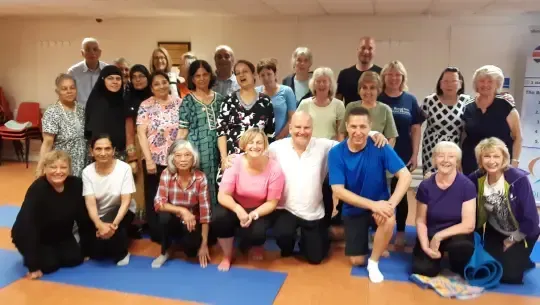
You can also learn more about the supportive community surrounding the classes:
“Gentle Qi Gong in New Malden can offer a supportive space for people to move, breathe and rebuild confidence without pressure. Each person’s experience is individual, but calm and consistent practice can make movement feel more manageable.”
Join a Safe and Supportive Qi Gong Class in New Malden
If you are looking for gentle Qi Gong in New Malden while managing blood pressure, joint discomfort or recovery, the Monday class at Bright Beings Academy offers a calm and supportive place to begin.
The sessions include:
Gentle pacing and clear guidance.
Standing and seated options.
Adaptations for different mobility levels.
Calm breathing and relaxation.
Supportive movement without pressure to perform.
You can find the current class time, venue, price and booking information here:
Please check the class page before attending, as practical details may change.
“A safe Qi Gong class should help you feel supported rather than pressured. Gentle pacing, clear adaptations and the freedom to rest can make movement feel more comfortable and manageable.”
Final Thoughts on Safe Qi Gong in New Malden
Safe Qi Gong practice is not about doing as much as possible. It is about choosing a pace, range of movement and level of effort that respect your body on the day.
For people managing blood pressure, joint discomfort or recovery after illness or injury, this may mean using smaller movements, taking additional rests, practising while seated or completing a shorter session. These adaptations are part of intelligent practice, not signs that you are doing anything incorrectly.
Qi Gong can offer a calm and supportive way to return to movement, but it should always sit alongside appropriate medical advice. New symptoms, persistent pain, strong dizziness, chest pain or severe breathlessness should be assessed by a qualified healthcare professional.
The most sustainable progress often comes from listening carefully, moving consistently and allowing confidence to rebuild gradually.
“Safe Qi Gong in New Malden begins with listening to your body. Gentle pacing, thoughtful adaptations and steady practice can support movement and confidence without pressure or force.”
Frequently Asked Questions About Safe Qi Gong in New Malden
Is Qi Gong safe if I have high blood pressure?
Qi Gong can be suitable for many people managing high blood pressure when the practice remains gentle and relaxed. Avoid breath holding, straining and demanding static positions. Keep your breathing natural and pause if you feel dizzy, unusually breathless or unwell.
Qi Gong should complement rather than replace medication, monitoring or advice from your GP or cardiology team.
Can I practise the whole Qi Gong class while seated?
Many movements can be adapted for seated practice. Chair-based options can be helpful when standing feels tiring, uncomfortable or unsteady.
You can learn more here:
Seated Qi Gong in New Malden: Chair Exercise for Over 50s
What should I do if I have knee, hip or shoulder pain?
Reduce the size and depth of the movement, slow down and remain within a comfortable range. Do not push through sharp, increasing or persistent pain.
Ongoing joint pain, swelling or reduced mobility should be discussed with your GP, physiotherapist or another appropriate healthcare professional.
How should I begin Qi Gong after illness or injury?
Begin with a short and gentle practice. Five to ten minutes may be enough at first. Use seated options when needed, keep the breathing comfortable and stop before you become tired.
If you are returning after surgery, significant illness or injury, follow the advice of your healthcare or rehabilitation team.
Can Qi Gong help if I feel unsteady?
Qi Gong can support posture, coordination, weight shifting and movement awareness, which are all connected with balance. The movements should be introduced gradually and adapted to your current level of stability.
You can explore this subject further here:
Falls Prevention in KT3: Simple Qi Gong for Better Balance
Should I speak to my GP before starting Qi Gong?
Speak to your GP or healthcare team if you have uncontrolled blood pressure, a heart condition, recent surgery, unexplained dizziness, severe joint pain or concerns about whether exercise is appropriate for you.
What should I bring to a Qi Gong class?
Wear comfortable clothing that allows you to move freely and bring some water. Specialist exercise clothing, equipment and mats are not required.
Where can I book the New Malden Qi Gong class?
You can find the current timetable, venue, price and booking information here:
Where can I explore the full New Malden gentle-exercise series?
You can find the wider collection of local guides here:
New Malden Classes: Gentle Exercise Hub
Further Reading About Safe Qi Gong in New Malden
Gentle Exercise in New Malden: Qi Gong for Over 50s
Explore a calm and accessible approach to mobility, balance and wellbeing for older adults and complete beginners.Seated Qi Gong in New Malden: Chair Exercise for Over 50s
Learn how Qi Gong movements can be adapted when standing feels tiring, uncomfortable or unsteady.Falls Prevention in KT3: Simple Qi Gong for Better Balance
Discover how gentle weight shifting, posture awareness and controlled movement can support stability and confidence.Low-Impact Exercise in New Malden
Compare Qi Gong with chair exercise, Pilates, yoga and other gentle movement options.Qi Gong vs Tai Chi in New Malden for Beginners
Understand the differences between these two gentle practices and consider which may suit your needs.New Malden Lunchtime Stress Reset: Calming Breathing Practices
Explore simple breathing techniques that can help you slow down and settle tension during the day.How to Get to the New Malden Qi Gong Class
Find practical directions and information to help you prepare for your first visit.New Malden Classes: Gentle Exercise Hub
Explore the wider collection of local articles about Qi Gong, mobility, balance, accessibility and beginner-friendly movement.
I look forward to connecting with you in the next post.
Until then, be well and keep shining.
Peter. :)