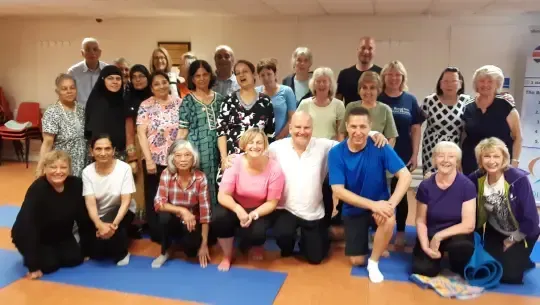
New Malden Lunchtime Reset: 3 Breathing Techniques to Feel Calm
The middle of the day can feel surprisingly demanding. Emails accumulate, decisions compete for attention and the morning’s tension can follow you straight into the afternoon.
A short breathing pause can create a useful break in that pattern. The three gentle techniques in this guide take only a few minutes and can be practised while seated at a desk, at home or somewhere quiet during your lunch break.
They are designed to help you:
Slow down after a busy morning.
Release unnecessary tension from the shoulders and jaw.
Bring your attention back to the present moment.
Create a calmer transition into the afternoon.
Develop a simple breathing practice that is easy to repeat.
You do not need previous breathwork or Qi Gong experience. The aim is not to take the deepest possible breath, hold your breath for a long time or force yourself to feel calm. Comfortable, unhurried breathing is enough.
These breathing techniques are also explored alongside gentle movement in the local New Malden Qi Gong class. You can find the current timetable, venue, price and booking information here:
“A lunchtime breathing reset does not need to be complicated. A few minutes of comfortable, attentive breathing can help you pause, release tension and approach the rest of the day more steadily.”
Breathing Technique 1: Box Breathing for Focus and Mental Clarity
Box breathing uses an even rhythm for the inhale, pause, exhale and pause. It can be useful when your thoughts feel scattered, you are preparing for a meeting or you need a clear transition between tasks.
Sit comfortably with both feet supported. Let your shoulders relax and keep the breath light rather than taking unusually deep breaths.
Try the following pattern:
Breathe in gently for a count of four.
Pause comfortably for a count of four.
Breathe out slowly for a count of four.
Pause again for a count of four.
Repeat for three or four rounds.
The counting gives your attention one simple task, which may make it easier to step away from mental noise for a few minutes.
Breath holds should never feel strained. Shorten the pauses, reduce the count or remove the holds completely if you feel uncomfortable, light-headed or anxious. You could simply breathe in for four and out for four instead.
People managing blood pressure concerns, breathing conditions or recovery after illness should keep the practice gentle and follow any advice provided by an appropriate healthcare professional.
Read Qi Gong Safety in New Malden: Blood Pressure, Joints and Recovery for further guidance.
“Box breathing gives the mind a simple, even rhythm to follow. Keep the breath light and comfortable, and shorten or remove the pauses whenever needed.”
Breathing Technique 2: Extended Exhale for a Calmer Lunchtime Reset
Extended-exhale breathing places slightly more time on the out-breath than the in-breath. It can be useful when your shoulders feel tense, your thoughts are racing or you need a few quiet minutes before returning to work.
Sit comfortably with your feet supported and allow your jaw, shoulders and hands to soften.
Try this gentle pattern:
Breathe in through the nose for a comfortable count of four.
Breathe out slowly for a count of six.
Keep the breath quiet, smooth and unforced.
Repeat for eight to ten breaths.
The longer exhale should feel easy rather than controlled or demanding. You do not need to empty your lungs completely.
If a count of six feels too long, breathe in for three and out for four, or simply make the exhale a little slower than the inhale. Stop and return to normal breathing if you feel dizzy, uncomfortable or short of breath.
There is no need to hold the breath between the inhale and exhale. This can make extended-exhale breathing a more comfortable option for people who dislike breath holds or prefer a simpler pattern.
Anyone managing blood pressure concerns, a respiratory condition or recovery after illness should keep the practice within a comfortable range and follow advice from an appropriate healthcare professional.
For further guidance, read Qi Gong Safety in New Malden: Blood Pressure, Joints and Recovery.
“Extended-exhale breathing can create a gentle pause when stress begins to build. Let the out-breath become slightly longer without forcing, straining or trying to achieve a particular result.”
Breathing Technique 3: Coherent Breathing for Steady Afternoon Energy
Coherent breathing uses an equal, comfortable rhythm for the inhale and exhale. It can be helpful when you feel mentally foggy, emotionally unsettled or low in energy during the afternoon.
The purpose is not to take large breaths. Instead, allow the breathing to become quiet, regular and easy.
Try this simple pattern:
Breathe in gently for a count of five.
Breathe out gently for a count of five.
Keep the shoulders, jaw and hands relaxed.
Continue for three to five minutes.
This creates a steady rhythm of approximately five to six breaths per minute. However, the count is only a guide. You can use a shorter rhythm, such as four counts in and four counts out, if that feels more natural.
Avoid pulling in extra air or trying to fill the lungs completely. The breath should remain light enough that you could continue comfortably without strain.
If you begin to feel light-headed, breathless or uncomfortable, stop counting and return to your normal breathing. People with respiratory or cardiovascular conditions should follow any guidance given by an appropriate healthcare professional.
Coherent breathing can also be combined with slow arm movements or practised entirely from a chair. For more chair-friendly options, read Seated Qi Gong in New Malden: Gentle Chair Exercise for Mobility and Confidence.
“Coherent breathing uses a calm, even rhythm to create a steadier pause during the day. Keep the breath light, comfortable and free from effort.”
A 60-Second Desk Posture Reset for Your Lunch Break
Long periods at a desk can leave the shoulders rounded, the neck tense and the breath feeling restricted. A brief posture reset can help you notice where you are holding unnecessary effort before you begin a breathing exercise.
Sit towards the front of a stable chair with both feet resting comfortably on the floor. Let your hands rest on your thighs.
Then move through the following steps:
Allow the spine to lengthen without becoming rigid.
Imagine the crown of the head gently rising.
Let the shoulders soften down and away from the ears.
Relax the jaw and allow the tongue to rest comfortably.
Place one hand over the lower ribs or abdomen.
Breathe naturally and notice the body expanding and releasing.
Continue for six to ten comfortable breaths.
Avoid forcing yourself into an exaggerated upright position. Good posture for breathing should feel supported and relaxed rather than stiff.
You can repeat this short reset between emails, before a meeting or whenever you notice tension building through the neck and shoulders.
If you are managing joint discomfort, blood pressure concerns or recovery after illness, keep every adjustment small and comfortable. Read Qi Gong Safety in New Malden: Blood Pressure, Joints and Recovery for further guidance.
“A one-minute desk posture reset can help you release unnecessary tension and create more space for comfortable breathing without forcing the body into a rigid position.”
Nose Breathing or Mouth Breathing During a Lunchtime Reset?
Breathing through the nose is often a comfortable choice for gentle breathing practice. The nasal passages help warm, filter and humidify the air before it reaches the lungs, and nose breathing may naturally encourage a quieter and less hurried rhythm.
During a lunchtime stress reset, try breathing through the nose when it feels easy. Keep the breath light and allow it to move without pulling in extra air.
Mouth breathing may be more appropriate when:
Your nose is blocked or congested.
Nasal breathing feels uncomfortable.
You are recovering from a respiratory illness.
A healthcare professional has advised a different approach.
You begin to feel short of breath while using the nose.
There is no need to force nasal breathing. The most suitable option is the one that allows you to breathe comfortably, smoothly and without strain.
You can explore these breathing patterns alongside gentle movement in the local New Malden Qi Gong Monday Class.
“Nose breathing can support a quiet and comfortable rhythm, but it should never be forced. Breathe in the way that feels easiest and most natural for your body.”
A Five-Minute Lunchtime Breathing and Movement Routine
You can combine gentle movement with one of the breathing techniques above to create a simple five-minute reset at your desk.
This short routine may help release stiffness, settle your attention and create a clearer transition into the afternoon.
Minute 1: Release the shoulders and neck
Roll the shoulders slowly backwards several times.
Turn the head gently from side to side.
Keep the movements small and comfortable.
Avoid circling or forcing the neck.
Minute 2: Settle your posture
Place both feet comfortably on the floor.
Allow the spine to lengthen without becoming rigid.
Relax the jaw, shoulders and hands.
Take several natural breaths.
Minutes 3 and 4: Choose one breathing technique
Use whichever pattern feels most comfortable:
Equal breathing, such as four counts in and four counts out.
Extended-exhale breathing, such as four counts in and six counts out.
Quiet natural breathing without counting.
There is no need to include breath holds. Keep every breath smooth and free from strain.
Minute 5: Pause and notice
Let go of the counting and return to your usual breathing. Sit quietly for a few moments and notice:
Whether the shoulders feel softer.
Whether your breathing feels less hurried.
How your energy and attention feel.
What you need before returning to your next task.
You may then take a short walk, stretch your legs or continue with your afternoon.
For a fully chair-based movement practice, read Seated Qi Gong in New Malden: Gentle Chair Exercise for Mobility and Confidence.
“A five-minute lunchtime routine can combine gentle movement, comfortable breathing and a quiet pause, helping you step into the afternoon with greater awareness and less unnecessary tension.”
Why Combine Breathing with Gentle Qi Gong Movement?
Breathing exercises can be useful on their own, but many people find them easier to follow when they are combined with slow, comfortable movement.
Gentle Qi Gong movements give your attention something physical to follow. Instead of concentrating only on the breath, you can notice the arms rising and falling, the shoulders softening or the weight settling through the feet or chair.
Combining breathing with movement may help you:
Release stiffness from the shoulders, spine and hips.
Become more aware of posture without forcing it.
Maintain a comfortable breathing rhythm.
Step away from racing thoughts.
Create a practice that feels less repetitive.
Build a lunchtime reset that is easier to remember.
The breath should continue naturally rather than being tightly controlled. Movements can remain small, slow and fully seated when needed.
In the New Malden Qi Gong class, gentle breathing is combined with accessible movements and periods of relaxation. This gives you an opportunity to practise the techniques with clear guidance and adapt them to your own pace.
Find the current class timetable, venue, price and booking information here:
“Combining gentle movement with comfortable breathing can make a lunchtime reset feel more natural, helping the body release tension while the mind follows a calm and simple rhythm.”
How to Practise Breathing Safely with Balance or Recovery Concerns
Breathing exercises should feel calm and comfortable, particularly if you are managing balance concerns, fatigue, blood pressure changes or recovery after illness or injury.
You can practise all three lunchtime techniques while seated in a stable chair. Keep both feet supported, allow the back to remain comfortable and avoid standing if you feel unsteady.
A few simple precautions can help:
Begin with one or two minutes rather than a longer session.
Keep the breath light instead of taking very deep breaths.
Avoid long breath holds or forcing the exhale.
Return to normal breathing if you feel dizzy or uncomfortable.
Remain seated if standing affects your balance.
Stop if you experience pain, unusual breathlessness or concerning symptoms.
Follow guidance from your healthcare professional where relevant.
Breathing practice should complement appropriate medical care rather than replace it. Individual needs vary, so choose the gentlest version and increase the duration only when it continues to feel comfortable.
For further support, read:
“Safe breathing practice means remaining comfortable, avoiding strain and choosing a seated position whenever balance, fatigue or recovery makes that the more supportive option.”
What New Malden Participants Say About Breathing and Qi Gong
People often notice that breathing exercises feel more effective when they are practised alongside gentle movement and clear guidance.
Participants in the New Malden Qi Gong class have shared the following experiences:
“My body felt lighter and freer after just one session. The breathing techniques are very calming.” — Myra
“I feel energised and happy after each class.” — Christine
“It totally wakes my body up. I’m more conscious of energy throughout my body.” — Mei
Each person’s experience is individual, and no particular physical, emotional or wellbeing outcome can be guaranteed. These reflections do, however, show how participants value the combination of breathing, gentle movement and a supportive class environment.
For more local experiences, read New Malden Qi Gong Testimonials: Stories of Mobility, Calm and Confidence.
For reflections from people who attended the separate Qi Gong and sound-healing workshop in nearby Long Ditton, read Qi Gong & Sound Healing Testimonials: Real Stories from Long Ditton. These are individual participant experiences rather than guaranteed outcomes.
A regular local class can also make these calming practices easier to continue. Read Community, Accountability and Calm: The Power of a Local Class to explore how familiar faces, a weekly rhythm and gentle accountability can support consistency.
“Participants describe feeling calmer, more energised and more aware of their bodies after practising gentle breathing and Qi Gong movement in a supportive local class.”
Final Thoughts on a New Malden Lunchtime Stress Reset
A lunchtime breathing reset does not need to take long to be useful. Two or three minutes of comfortable breathing can create a clear pause between a demanding morning and the rest of the day.
The most important point is to keep the practice gentle. You do not need to take unusually deep breaths, hold the breath for long periods or force yourself to relax. A quiet rhythm that feels natural is enough.
Box breathing may help when you need structure and focus. Extended-exhale breathing may feel more suitable when tension is high. Coherent breathing offers a steady rhythm when you want to feel more settled and present.
You can practise at a desk, in a stable chair or alongside slow Qi Gong movements. Choose one technique, use it consistently and notice how your body responds rather than chasing a particular result.
For guided breathing and gentle movement in a supportive local setting, visit New Malden Qi Gong Mondays.
“A few minutes of gentle breathing can create a valuable pause in the middle of a busy day. Keep the practice comfortable, unforced and simple enough to return to regularly.”
Your Next Step: Try One Breathing Technique Today
Choose one technique from this guide and practise it for two or three minutes during your lunch break.
You could begin with:
Equal breathing if you want a simple, steady rhythm.
Extended-exhale breathing if you feel tense or mentally rushed.
Box breathing if counting helps you focus and brief pauses feel comfortable.
Natural breathing with a posture reset if structured breathing feels too demanding.
Keep the practice light and unforced. You do not need to feel dramatically different for the exercise to be worthwhile. Simply notice whether your shoulders, jaw, breathing or attention feel any different afterwards.
For guided breathing combined with gentle Qi Gong movement, visit:
The class page contains the current timetable, venue, price, availability and booking information.
“Your next step can be as simple as taking two quiet minutes at lunchtime. Choose one comfortable breathing rhythm, practise without strain and notice how you feel before returning to your day.”
Frequently Asked Questions About Lunchtime Breathing Exercises in New Malden
Should I breathe through my nose or mouth?
Breathe through the nose when it feels comfortable, as this can encourage a quieter rhythm. If your nose is blocked or nasal breathing feels difficult, breathe in the way that feels easiest and most natural.
Are breath holds suitable for everyone?
No. Breath holds may feel uncomfortable for some people and are not necessary for an effective breathing practice. You can shorten the pauses or remove them completely.
People managing blood pressure concerns, respiratory conditions or recovery after illness should keep the practice gentle and follow advice from an appropriate healthcare professional.
Read Qi Gong Safety in New Malden: Blood Pressure, Joints and Recovery.
How long should I practise a lunchtime breathing exercise?
Begin with two or three minutes. A short, comfortable practice repeated regularly is usually more sustainable than a longer session that feels demanding.
Can I practise these exercises while seated at my desk?
Yes. Sit in a stable chair with your feet supported and your shoulders relaxed. There is no need to stand or use specialist equipment.
For more chair-based movement, explore Seated Qi Gong in New Malden: Gentle Chair Exercise for Mobility and Confidence.
What should I do if I feel dizzy or short of breath?
Stop the exercise and return to your normal breathing. Avoid continuing through dizziness, unusual breathlessness, chest discomfort or other concerning symptoms.
Seek appropriate medical advice if symptoms are severe, persistent or unusual for you.
Which breathing technique is best for a busy mind?
Box breathing can provide a clear counting structure, while equal breathing may feel simpler if pauses are uncomfortable. The most suitable technique is the one you can practise without strain.
Which breathing exercise is best when I feel tense?
A gentle extended exhale may feel helpful when tension is building. Try breathing in for a comfortable count and allowing the exhale to become slightly longer.
Do not force the out-breath or empty the lungs completely.
Can breathing exercises replace treatment for stress or anxiety?
No. Breathing exercises are a general wellbeing practice and should not replace medical care, counselling, therapy or other professional support.
Where can I learn these techniques with gentle movement?
Breathing techniques are included alongside accessible Qi Gong movements in the local class. Find the current timetable, venue, price and booking information through New Malden Qi Gong Mondays.
Further Reading About Lunchtime Breathing and Gentle Qi Gong in New Malden
Qi Gong Safety in New Malden: Blood Pressure, Joints and Recovery
Read practical guidance about keeping breathing and movement gentle when managing health concerns or returning after illness or injury.Seated Qi Gong in New Malden: Gentle Chair Exercise
Explore fully seated movement and breathing options for mobility, confidence and comfortable participation.Gentle Exercise in New Malden: Qi Gong for Over 50s
Discover a calm and adaptable approach to regular movement for beginners and older adults.Falls Prevention in KT3: Simple Qi Gong for Better Balance
Learn about posture, controlled weight shifting and gentle movement for steadiness and confidence.Low-Impact Exercise in New Malden
Compare Qi Gong with other gentle exercise options available to people seeking a calmer and more sustainable routine.Community, Accountability and Calm: The Power of a Local Class
Explore how friendly support and a regular weekly rhythm can make gentle movement easier to continue.New Malden Qi Gong Testimonials: Stories of Mobility, Calm and Confidence
Read reflections from local participants about breathing, movement and the class experience.How to Get to the New Malden Qi Gong Class
Find directions and useful information to help you prepare for your first visit.New Malden Classes: Gentle Exercise Hub
Explore the full local guide series covering breathing, balance, mobility, seated practice and beginner-friendly Qi Gong.
I look forward to connecting with you in the next post.
Until then, be well and keep shining.
Peter. :)