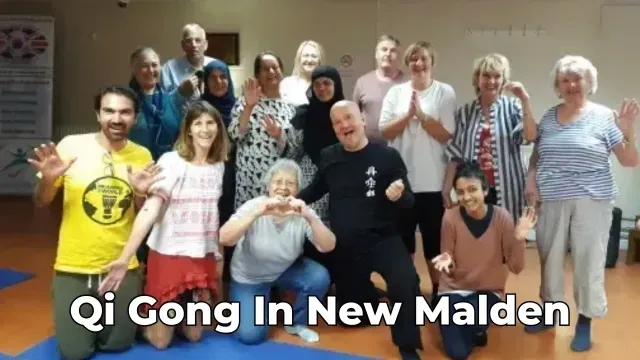
Gentle Exercise Classes In New Malden: Qi Gong For Over 50s
Gentle exercise in New Malden can help you feel stronger, steadier and more energised without the pressure of an intense fitness class. For many people over 50, Qi Gong offers a calmer and more sustainable way to support mobility, balance and wellbeing through slow movement, breathing and mindful exercise.
Unlike intense fitness classes that can feel overwhelming or discouraging, Qi Gong focuses on gentle progress and consistency. The movements are simple to follow, beginner-friendly and adaptable to your own pace. This makes the practice especially supportive for people returning to exercise after illness, stress, injury or a long period of inactivity.
At the heart of Qi Gong is the idea that movement should help the body feel safer, looser and more connected rather than exhausted. This is one reason more people are turning towards Qi Gong as a form of low-impact exercise that supports physical and emotional wellbeing. If you are completely new to the practice, this guide explains the foundations clearly: Qi Gong for Beginners: The Complete Guide to Energy, Health and Inner Balance.
Our New Malden classes are welcoming, community-focused and designed for real people with real bodies. You do not need flexibility, previous experience or a high level of fitness to begin. You simply start where you are and build confidence gradually over time.
You can find the current class time, venue, price and booking information here: New Malden Qi Gong Mondays.
“Gentle exercise in New Malden does not need to feel intimidating or exhausting. Qi Gong offers people over 50 a calm, supportive and sustainable way to explore mobility, balance and confidence through simple weekly practice.”
Why Gentle Exercise in New Malden Often Works Better After 50
As the body changes with age, many people discover that harsh or high-impact exercise no longer feels supportive. Fast movements, heavy strain and exhausting routines can sometimes leave joints feeling aggravated rather than strengthened. This is one reason gentle exercise becomes increasingly valuable later in life.
Qi Gong works differently because it focuses on controlled movement, relaxed breathing and steady progression. Instead of pushing the body beyond its limits, the practice supports circulation, mobility and balance through softer, repeatable movement patterns. For many people, this creates a more sustainable relationship with exercise.
One of the most important benefits is consistency. When movement feels achievable and enjoyable, people are more likely to continue with it over the long term. Small weekly improvements can gradually support posture, confidence, flexibility and overall wellbeing.
Many people over 50 also appreciate that Qi Gong supports the nervous system as well as the body. Slow breathing and mindful movement can help calm stress, settle mental overwhelm and create a steadier sense of energy throughout the day. This broader approach is explored further in The Healing Power of Qi Gong: Ancient Practice, Modern Benefits.
For people managing stiffness or ageing joints, gentle movement may also make exercise feel less daunting. Qi Gong for Arthritis and Joint Pain: Ease Stiffness and Protect Your Joints explores how slower movement patterns may support mobility while remaining kind to the body.
“Gentle exercise often becomes more effective after 50 because the body responds well to calm, sustainable movement. Qi Gong supports mobility, balance and wellbeing without relying on force, intensity or exhaustion.”
How Qi Gong Supports Balance, Stability and Confidence After 50
Many people over 50 begin looking for gentle exercise because they notice subtle changes in balance, posture or confidence while moving. Everyday activities such as turning quickly, walking downstairs or getting up from a chair may start to feel less steady than they once did.
Qi Gong uses slow and mindful movement patterns that support body awareness and coordination over time. Gentle weight-shifting exercises encourage the ankles, knees and hips to work together more smoothly, while flowing arm movements help ease stiffness through the shoulders and spine.
Because the movements are performed slowly, the body has time to develop greater control and stability. This can feel less intimidating than fast-paced exercise classes where people may worry about keeping up or losing their balance.
With regular practice, everyday movements may begin to feel easier and more natural. Standing up may feel smoother, walking may feel steadier, and tension through the shoulders and lower back may begin to ease. These changes are often subtle at first, but they can build steadily through consistent practice.
This is one reason Qi Gong is increasingly explored as a supportive practice for healthy ageing and movement confidence. You can read more here: Qi Gong for Balance and Falls Prevention.
If low energy or physical fatigue has made exercise feel difficult recently, this guide may also help: Qi Gong for Fatigue: Restore Your Energy and Vitality Naturally.
“Qi Gong supports balance and confidence by teaching the body to move more slowly, smoothly and mindfully. Gentle repetition can help people feel steadier, safer and more connected to their movement again.”
What Makes Qi Gong Different from Traditional Exercise Classes?
One reason many people continue with Qi Gong over the long term is that it feels very different from conventional fitness culture. There is no pressure to compete, push through pain or perform at a particular level. The focus is on awareness, breathing and gradual improvement rather than intensity.
In many exercise environments, people can feel self-conscious about their age, fitness level or physical limitations. Qi Gong creates a softer and more welcoming atmosphere where people are encouraged to move within their own comfortable range. This can help them relax into the practice more easily.
The breathing element of Qi Gong also changes the experience. Instead of exercising while stressed and tense, movements are combined with slower breathing patterns that help calm the nervous system. Many people leave a class feeling mentally lighter as well as physically looser.
This combination of movement, breathing and mindful awareness is part of what makes Qi Gong distinctive. The practice is not simply about fitness. It is about helping the whole system feel more balanced and connected. You can explore the foundations of the practice in What Is Qi Gong? Origins, Principles and Benefits.
For people who are completely new to low-impact movement, Qi Gong can also feel more approachable than many traditional exercise classes because there is no expectation that they should already be fit, flexible or highly mobile before beginning.
If you are returning to exercise with particular health or mobility concerns, read our practical guidance on Qi Gong safety in New Malden for blood pressure, joints and recovery before attending your first class.
“Qi Gong stands apart from many exercise classes because it focuses on calm, awareness and sustainable movement rather than pressure or performance. This can make it feel safer, more welcoming and easier to continue over the long term.”
Learn Qi Gong At The Bright Beings Academy
5 ⭐⭐⭐⭐⭐ Rating On Google Review
A Gentle Way to Rebuild Energy and Motivation After 50
For many people over 50, the hardest part of exercise is not knowing what to do. It is finding the energy and motivation to begin again after stress, illness, burnout or a long period of inactivity.
This is where gentle movement can make a real difference. Qi Gong does not demand maximum effort from the body. Instead, it uses calm and manageable practices to support circulation, mobility and nervous system regulation.
Because the movements are slower and less physically demanding, many people find that they leave a class feeling refreshed rather than depleted. This matters because exercise that repeatedly feels exhausting can be difficult to sustain. Gentle movement can help rebuild trust between the mind and body, making it easier to return to regular activity.
Breathing also plays an important role in restoring steadier energy. Many people develop shallow or tense breathing patterns during periods of stress without realising it. Qi Gong encourages slower, deeper breathing that may help reduce tension while supporting clearer focus and calmer energy throughout the day.
This relationship between energy, movement and wellbeing is explored further in Qi Gong for Energy: Restore Your Vitality.
For those interested in the developing research around Qi Gong and wellbeing, read Qi Gong Evidence: What Research Says About Mental Health, HRV and Heart Health.
“Gentle movement can help rebuild energy more sustainably because it supports the nervous system rather than overwhelming it. Qi Gong encourages calm, steady progress that many people find easier to maintain over the long term.”
What to Expect During Your First Few Qi Gong Classes in New Malden
Starting something new can feel daunting at any age, especially if you have not exercised for a while. Many people worry that they will not be flexible enough, fit enough or able to follow the movements properly. In reality, most beginners quickly realise that Qi Gong is designed to be approachable and adaptable from the first class.
During your first few sessions, the focus is simply on becoming familiar with the movements and learning how to relax into the practice. Nobody is expected to be perfect. You are encouraged to move gently, listen to your body and gradually build confidence at your own pace.
Many people notice small changes quite quickly. Their shoulders may feel looser, their breathing may feel calmer and fuller, and their body may begin to feel less tense. More importantly, people often begin to regain trust in movement, especially if they have become cautious because of stiffness, fatigue or concerns about balance.
The social side of the class also matters. Practising in a supportive environment alongside other people on a similar journey can make movement feel far less intimidating. A calm and welcoming atmosphere often helps people remain consistent because they begin looking forward to the sessions rather than worrying about them.
If you are completely new to Qi Gong and would like a deeper understanding before attending, read Qi Gong for Beginners: The Complete Guide to Energy, Health and Inner Balance.
You can also learn more about the local classes and reserve your place here: New Malden Qi Gong Mondays.
“Your first Qi Gong classes are not about performance or perfection. They are about rebuilding confidence, reconnecting with movement and discovering a calmer, more sustainable way to support your health and wellbeing.”
Gentle Exercise in New Malden for Heart Health and Calm Breathing
Gentle exercise can support heart health by helping people remain active without placing excessive strain on the joints or body. For many people over 50, combining slow movement with calm breathing can provide a more manageable and sustainable approach to physical and emotional wellbeing.
Qi Gong brings gentle movement together with mindful breathing. Instead of exercising while feeling tense or rushed, the practice encourages slower breathing and relaxed movement, helping the body settle more naturally.
Breathing awareness can also help people feel more emotionally grounded. Stress often causes the body to tighten unconsciously, particularly through the shoulders, jaw and chest. Qi Gong encourages these areas to soften while allowing the breath to become steadier and more relaxed.
The slow, flowing movements help people remain physically active while working at a comfortable pace. Anyone with an existing heart condition, high blood pressure or other cardiovascular concerns should follow appropriate medical advice when beginning a new form of exercise.
You can explore the relationship between Qi Gong, breathing and cardiovascular wellbeing here: Qi Gong for Heart Health, Blood Pressure and HRV.
For more specific guidance on gentle movement and blood pressure, read Seated Qi Gong for Blood Pressure: A Gentle Daily Routine.
“Qi Gong combines gentle movement with calm breathing to support physical and emotional wellbeing. For many people over 50, this creates a steadier and more sustainable approach to exercise.”
Real Stories from People Rediscovering Confidence and Community in New Malden
For many people over 50, gentle exercise becomes about far more than fitness alone. It can become a way to reconnect with confidence, routine, social connection and a healthier relationship with the body.
This is something we regularly see within the Bright Beings Academy community. People often arrive feeling stiff, stressed, disconnected or uncertain about exercise, especially after illness, burnout or a long period of inactivity. Over time, many begin noticing subtle but meaningful changes in how they move, breathe and feel within themselves.
Some people report feeling steadier on their feet and more relaxed in their bodies. Others notice that they are breathing more deeply or feeling calmer after class. These are often quiet changes rather than dramatic ones, but they can make a meaningful difference to daily life and long-term wellbeing.
Practising alongside others can also provide valuable support and encouragement. The classes are welcoming, community-focused and designed to help people feel safe enough to begin where they are, without pressure or judgement.
For a closer look at how familiar faces, a regular weekly rhythm and gentle accountability can support confidence and consistency, read Community, Accountability and Calm: The Power of a Local Class.
You can learn more about the people, partnerships and wider community work behind Bright Beings Academy here: Partners and Community.
For reflections from complete beginners and experienced Qi Gong students who attended the separate workshop in nearby Long Ditton, read Qi Gong & Sound Healing Testimonials: Real Stories from Long Ditton.
For more about the Academy’s wider local outreach, visit Community Impact.
“Gentle exercise often becomes more meaningful when people feel supported, welcomed and connected to a positive community. Qi Gong can help rebuild not only movement and confidence, but also a deeper sense of wellbeing and belonging.”
Why Consistency Matters More Than Intensity After 50
One of the biggest misconceptions about exercise is the idea that harder always means better. In reality, especially after 50, the body often responds more positively to movement that feels sustainable, calming and repeatable from week to week.
This is one reason Qi Gong can become such an effective long-term practice. The goal is not exhaustion. The goal is steady progress through regular movement, relaxed breathing and mindful awareness. Small sessions practised consistently can create more lasting change than intense bursts of exercise followed by long periods of recovery or avoidance.
Consistency also helps rebuild trust in the body. Many people who have experienced pain, fatigue, stress or low confidence approach exercise cautiously because they are worried about making things worse. Qi Gong creates space to return to movement gradually without overwhelming the nervous system.
Over time, gentle and regular practice may support posture, circulation, flexibility, breathing and emotional steadiness in ways that feel manageable rather than punishing. This softer approach often helps people maintain momentum because the practice becomes something they genuinely look forward to.
For a closer look at the research into regular Qi Gong practice, read Qi Gong Evidence: What Research Says About Mental Health, HRV and Heart Health.
When you feel ready to experience the practice locally, you can find the current class details here: New Malden Qi Gong Mondays.
“Lasting wellbeing is often built through calm and consistent practice rather than intensity. Qi Gong encourages steady progress that supports both the body and nervous system over time.”
Final Thoughts on Gentle Exercise in New Malden for Over 50s
Gentle exercise does not need to leave you exhausted to be effective. For many people over 50, the body responds best to movement that feels supportive, steady and realistic to maintain over the long term.
Qi Gong offers a calmer way to support mobility, balance, breathing and overall wellbeing without harsh impact or pressure to perform. The practice meets you where you are and allows progress to happen gradually through consistency and awareness rather than force.
What matters most is not perfection. It is finding a form of movement that helps you feel safer, more connected and more confident in your body again. Small weekly steps can often create the strongest long-term changes.
For anyone looking for gentle exercise in New Malden that feels welcoming, beginner-friendly and sustainable, Qi Gong may offer a supportive place to begin.
“Gentle movement can create powerful long-term change when it feels safe, supportive and sustainable. Qi Gong can help people over 50 rebuild mobility, confidence and wellbeing through calm and consistent practice.”
Next Steps: Join Gentle Exercise Classes in New Malden
If you are ready to begin gentle exercise in New Malden, the simplest next step is to experience a class for yourself. You do not need previous experience, a high level of fitness or particular flexibility to begin. The sessions are welcoming, beginner-friendly and designed to help you move at your own pace.
You can find the current class time, venue, price and booking information here:
If you would also like support between local classes, Bright Beings Academy offers live online Qi Gong practice that can help you continue gently from home:
Explore Live Online Qi Gong Classes
“Starting gently is often the key to lasting progress. One supportive class each week can become the beginning of feeling steadier, calmer and more connected to your body again.”
Frequently Asked Questions About Gentle Exercise in New Malden for Over 50s
Is Qi Gong a good gentle exercise for people over 50?
Yes. Qi Gong uses slow, controlled movement and mindful breathing, making it suitable for many people over 50. The movements are low impact, adaptable and focused on supporting balance, mobility and overall wellbeing rather than intense physical exertion.
Do I need to be fit before starting Qi Gong?
No. Beginners are welcome, including people returning to exercise after a long break. The classes allow you to begin gently and build confidence gradually over time.
Can Qi Gong help with balance and stability?
Many people practise Qi Gong to support balance, posture and movement confidence. Slow weight-shifting exercises can help develop body awareness and coordination in a calm and manageable way.
Qi Gong for Balance and Falls Prevention
Is Qi Gong suitable if I have stiff joints?
Qi Gong is often chosen because it is gentle on the joints and does not rely on high-impact movement. Exercises can usually be adapted according to individual comfort and mobility.
Qi Gong for Arthritis and Joint Pain
What should I wear to a Qi Gong class?
Comfortable clothing that allows you to move freely is ideal. You do not need specialist exercise clothing or equipment.
What happens during a beginner Qi Gong class?
Classes usually include gentle warm-ups, breathing exercises and simple flowing movements designed to support mobility, relaxation and balance. Everything is taught step by step in a calm and supportive environment.
Where are the New Malden Qi Gong classes held?
The current venue, timetable, price and booking details are available on the class page:
Is Qi Gong supported by research?
Research into Qi Gong continues to develop, particularly in areas such as stress regulation, balance, cardiovascular wellbeing and quality of life. You can explore the evidence in more detail here:
Qi Gong Evidence: What Research Says About Mental Health, HRV and Heart Health
Further Reading
Qi Gong for Beginners: The Complete Guide to Energy, Health and Inner Balance
A supportive beginner’s guide explaining how Qi Gong works, what to expect and why gentle movement can support wellbeing over time.What Is Qi Gong? Origins, Principles and Benefits
Explore the foundations of Qi Gong, including its history, breathing methods and wider physical and emotional benefits.Qi Gong for Arthritis and Joint Pain: Gentle Relief
Learn how gentle movement and mindful exercise may support mobility, flexibility and joint comfort without harsh impact.Qi Gong for Balance and Falls Prevention: Daily Stability
Discover how slow, controlled movement can support stability, coordination and confidence in everyday life.Qi Gong for Blood Pressure: A Natural Support Guide
Explore how calm breathing, relaxation and low-impact movement may complement appropriate cardiovascular care.The Healing Power of Qi Gong: Ancient Practice, Modern Benefits
A broader look at how Qi Gong can support physical health, emotional balance, stress reduction and long-term wellbeing.Qi Gong Evidence: What Research Says About Mental Health, HRV and Heart Health
An evidence-focused article exploring current research into Qi Gong, stress, cardiovascular health and emotional wellbeing.
I look forward to connecting with you in the next post.
Until then, be well and keep shining.
Peter. :)