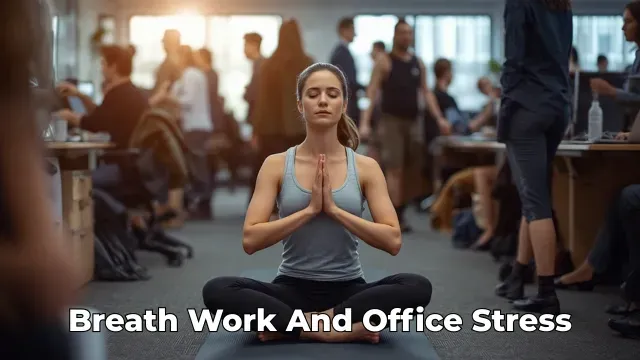
Breathwork for Workplace Stress: Simple Techniques for Busy Teams
Breath work for workplace stress involves using simple breathing techniques to help employees manage pressure, improve focus, and support nervous system regulation throughout the working day.
Breathing is something we do automatically, yet it can have a powerful influence on how we feel. When people are stressed, breathing often becomes faster, shallower, and more irregular. This can contribute to feelings of tension, anxiety, and overwhelm.
The good news is that small changes in breathing patterns may help signal safety to the nervous system and support a greater sense of calm and balance.
This is one reason breath work is becoming increasingly popular within workplace wellbeing programmes. Unlike many wellbeing interventions, breathing exercises require no equipment, can be practised almost anywhere, and often take only a few minutes to complete.
As explored in What Is Nervous System Regulation at Work?, the nervous system plays an important role in how employees respond to pressure and recover from stress. Breath work can be one practical tool that supports this recovery process.
In this article, we will explore how breath work may help with workplace stress and share simple techniques that busy teams can use throughout the day.
"One of the fastest ways to influence the body's stress response is through the breath that is already with you."
Explore Our Corporate Wellbeing Services
If your organisation is looking to strengthen resilience, improve wellbeing, reduce stress, and create a healthier workplace culture, explore our Corporate Wellbeing Hub.
From workshops and leadership development to nervous system regulation and team wellbeing programmes, you'll find practical solutions designed for modern organisations.
Explore the Corporate Wellbeing Hub

Why Breathing Changes Under Stress
Most people do not consciously notice how their breathing changes throughout the day.
When employees feel calm and focused, breathing is often slower, deeper, and more rhythmic. However, when pressure increases, the nervous system automatically prepares the body to respond. One of the first changes that often occurs is a shift in breathing patterns.
Breathing may become faster, shallower, or restricted to the upper chest. This response can be useful during genuine emergencies because it prepares the body for action. The challenge is that modern workplace stressors rarely involve physical danger.
Deadlines, difficult conversations, overflowing inboxes, and organisational change can trigger similar physiological responses even though no immediate physical threat exists.
Over time, employees may become accustomed to operating in a heightened state of tension without realising it. This can contribute to feelings of stress, fatigue, irritability, and difficulty concentrating.
Breath work offers a simple way to interrupt this cycle. By consciously slowing and regulating breathing, employees may help signal safety to the nervous system and support a return towards a more balanced state.
This is one reason breath work is often included within wider Nervous System Regulation at Work and Corporate Wellbeing Workshops programmes.
"Stress often changes breathing automatically. Breath work allows people to influence that process consciously and support a healthier response to pressure."
The Benefits of Breath work in the Workplace
One of the reasons breath work has gained attention in workplace wellbeing programmes is its simplicity. Employees do not need special equipment, dedicated facilities, or extensive training to begin experiencing potential benefits.
Breath work may help employees create a brief pause during busy days, allowing them to step out of automatic stress responses and return their attention to the present moment.
Many people report that simple breathing exercises help them feel calmer, more focused, and better able to manage challenging situations. Some also find that breath work supports concentration before important meetings, presentations, or difficult conversations.
From a workplace perspective, breath work may contribute to improved emotional regulation, stronger resilience, and greater self-awareness. These are all qualities that can support communication, decision-making, and overall wellbeing.
Importantly, breath work should not be viewed as a cure for workplace stress. It works best when used alongside healthy workplace practices, realistic workloads, supportive leadership, and wider wellbeing initiatives.
As discussed in Why Stress Management Often Fails in the Workplace, wellbeing is rarely improved through a single intervention. Breath work is most effective when it forms part of a broader approach to resilience and recovery.
For busy teams, one of the greatest advantages of breath work is that meaningful practice can often be completed in just a few minutes, making it practical even during demanding working days.
"Breathwork is not about escaping workplace challenges. It is about helping employees meet those challenges from a calmer and more regulated state."
Three Simple Breathing Techniques for Busy Teams
One of the strengths of breath work is that it can be integrated into the working day without requiring significant time or disruption.
The following techniques are simple, accessible, and suitable for most workplace settings.
1. Extended Exhale Breathing
This technique focuses on making the exhalation slightly longer than the inhale.
For example:
Inhale gently through the nose for four counts.
Exhale slowly through the nose or mouth for six counts.
Repeat for one to three minutes.
Many people find this technique useful before meetings, presentations, or challenging conversations.
2. Box Breathing
Box breathing is commonly used in high-pressure environments because of its simplicity.
The pattern is:
Inhale for four counts.
Hold for four counts.
Exhale for four counts.
Hold for four counts.
Repeat for several cycles while maintaining a comfortable pace.
This technique can help employees slow down, focus attention, and create a sense of mental clarity.
3. Three Deep Reset Breaths
Sometimes the simplest technique is the most practical.
Employees can pause briefly and take:
One slow breath in.
One slow breath out.
Repeat three times.
Although simple, this short practice can help interrupt automatic stress responses and bring awareness back to the present moment.
The goal of these exercises is not perfect breathing. The goal is to create small moments of recovery throughout the day that help support wellbeing and resilience.
"The most effective breathing technique is often the one people can realistically use when they need it most."
How Breath Work Supports Emotional Regulation and Resilience
Breath work is often viewed as a relaxation technique, but its benefits may extend far beyond helping people feel calm in the moment.
Because breathing influences the nervous system, it can also affect emotional regulation, focus, and resilience. When employees become more aware of their breathing patterns, they often become more aware of how they are responding to pressure.
This awareness can create an opportunity to pause before reacting automatically to stressful situations.
For example, an employee who notices rising frustration during a meeting may use a brief breathing exercise to create space before responding. A leader preparing for a difficult conversation may use breath work to settle nerves and improve clarity.
Over time, these small moments of regulation can contribute to stronger resilience. Employees may become better able to recover from setbacks, adapt to change, and maintain wellbeing during busy periods.
This is why breathwork is increasingly being included within emotional wellbeing, resilience, and leadership development programmes.
As explored in Emotional Regulation for Employees: A Practical Workplace Guide and Emotional Regulation for Leaders: Staying Calm Under Pressure, the ability to regulate emotions is often strengthened when employees have practical tools that support nervous system balance.
Breathwork is not the only tool available, but it is one of the simplest and most accessible.
"A calm breath cannot remove every challenge. It can help people meet challenges with greater clarity, awareness, and resilience."
How Organisations Can Introduce Breath Work Successfully
One reason some workplace wellbeing initiatives struggle is that they are perceived as another task employees need to complete.
For breath work to be effective, it should be simple, practical, and easy to integrate into the working day.
Many organisations introduce breathing exercises at the beginning of meetings, during wellbeing sessions, after periods of intensive work, or as part of leadership development programmes. Even one or two minutes can provide an opportunity for employees to pause, reset, and refocus.
It is also important that participation remains voluntary. Different employees will respond to different wellbeing practices, and breath work should be presented as a tool rather than an obligation.
Leadership support can make a significant difference. When managers and leaders engage with wellbeing practices themselves, employees are often more willing to explore them.
Organisations may also find greater success when breath work is introduced as part of a wider wellbeing strategy rather than as a standalone intervention. Combining breath work with education, emotional regulation skills, resilience training, and nervous system awareness can help employees understand not only what to do but why it may be beneficial.
As explored in Corporate Wellbeing Programmes and What Should Be Included in a Workplace Wellbeing Strategy?, lasting wellbeing improvements are often created through consistent, practical actions that become part of everyday workplace culture.
"The most successful wellbeing practices are often the simplest. Small moments of recovery repeated consistently can have a meaningful impact over time."
How the Bright Beings Academy Supports Breathwork for Workplace Stress
At the Bright Beings Academy, we believe that workplace wellbeing should be practical, accessible, and easy to apply in real-world working environments.
Breathwork is one of the simplest tools available because it requires no equipment, can be practised almost anywhere, and can often be integrated into the working day within just a few minutes.
Our Corporate Wellbeing Workshops introduce employees and leaders to simple breathing practices that may support stress recovery, emotional regulation, focus, and resilience.
Through our Nervous System Regulation at Work programmes, participants learn how breathing influences the body's stress response and how practical techniques can help create greater balance during demanding periods.
For organisations seeking a broader wellbeing strategy, our Corporate Wellbeing Programmes combine education, leadership development, resilience training, and practical wellbeing tools that support long-term cultural change.
We also work with leaders through our Leadership and Team Wellbeing services, helping managers understand how breathing, recovery, emotional regulation, and nervous system awareness can support both leadership effectiveness and employee wellbeing.
Our approach focuses on simple practices that people can realistically use during busy working days rather than techniques that feel complicated or difficult to maintain.
"The best wellbeing tools are often the ones people can use consistently. Breathwork offers a simple way to create moments of calm, focus, and recovery throughout the working day."
Final Thoughts
Breathwork is not a replacement for healthy workplace culture, effective leadership, or sensible workload management. However, it can be a valuable addition to a wider wellbeing strategy.
One of the reasons breathwork has become increasingly popular is its accessibility. Employees do not need specialist knowledge, expensive equipment, or large amounts of time to begin practising simple breathing techniques.
For many people, breathwork provides a practical way to pause during busy days, reduce feelings of overwhelm, improve focus, and support emotional regulation.
From a workplace perspective, breathwork can also serve as a reminder that resilience is not simply about pushing harder. It is about creating regular opportunities for recovery so that people can continue to perform well without exhausting their physical and emotional resources.
As organisations continue to explore new approaches to workplace wellbeing, breathwork offers a simple, low-cost, and practical tool that can support both individual wellbeing and organisational resilience.
Support Your Workplace Wellbeing Journey
Breathwork is a simple skill that can help employees pause, reset, and recover during demanding working days. When combined with a wider wellbeing strategy, it can support resilience, emotional regulation, focus, and overall employee wellbeing.
If your organisation is looking to introduce practical wellbeing tools that employees can use immediately, the Bright Beings Academy offers workshops, programmes, and leadership development designed to support sustainable workplace wellbeing.
Explore our services:
Corporate Wellbeing — Discover a whole-organisation approach to employee wellbeing, resilience, and workplace culture.
Nervous System Regulation at Work — Learn how stress affects the body and how employees can develop healthier recovery patterns.
Corporate Wellbeing Workshops — Interactive sessions covering breathwork, stress management, resilience, emotional wellbeing, and workplace performance.
Corporate Wellbeing Programmes — Long-term wellbeing solutions that help create lasting organisational change.
Leadership and Team Wellbeing — Support leaders in creating calmer, healthier, and more resilient workplace cultures.

Frequently Asked Questions About Breathwork for Workplace Stress
What is breathwork?
Breathwork refers to intentional breathing techniques designed to influence physical, mental, and emotional wellbeing. In workplace settings, breathwork is often used to support stress management, focus, resilience, and emotional regulation.
Can breathwork really help with workplace stress?
Breathwork may help employees manage feelings of stress by encouraging slower, more controlled breathing patterns. Many people report feeling calmer, more focused, and better able to respond to pressure after practising simple breathing exercises.
How long do breathing exercises need to take?
Many workplace breathing exercises can be completed in one to five minutes. Even short breathing practices may help employees create a moment of pause and recovery during busy working days.
Is breathwork suitable for everyone?
Most simple breathing exercises are suitable for most people. However, individuals with certain medical conditions may wish to seek professional advice before engaging in more intensive breathwork practices. Workplace wellbeing programmes typically focus on gentle and accessible techniques.
Can breathwork improve focus and concentration?
Many people find that breathing exercises help them settle their attention and reduce feelings of overwhelm. This may support concentration, decision-making, and productivity during demanding tasks.
How does breathwork support emotional regulation?
Breathing patterns influence the nervous system. When employees slow and regulate their breathing, they may find it easier to manage emotional responses, maintain perspective, and respond more thoughtfully during challenging situations.
Can teams practise breathwork together?
Yes. Many organisations introduce brief breathing exercises during meetings, wellbeing sessions, leadership programmes, or team workshops. Group practices can provide a simple way to encourage collective focus and recovery.
Is breathwork a replacement for workplace wellbeing strategies?
No. Breathwork is most effective when used as part of a wider wellbeing approach that includes healthy workplace culture, supportive leadership, realistic workloads, recovery opportunities, and employee wellbeing initiatives.
Further Reading
What Is Nervous System Regulation at Work? — Learn how the nervous system influences stress, recovery, resilience, and workplace wellbeing.
Why Stress Management Often Fails in the Workplace — Discover why many wellbeing initiatives fail to create lasting change and what organisations can do differently.
Burnout and the Nervous System: What Every Employer Should Know — Explore the relationship between chronic stress, recovery, and employee burnout.
Emotional Regulation for Employees: A Practical Workplace Guide — Understand how emotional regulation supports wellbeing, communication, and resilience.
Emotional Regulation for Leaders: Staying Calm Under Pressure — Learn how leaders can use emotional regulation to improve communication, decision-making, and team wellbeing.
What Should Be Included in a Workplace Wellbeing Strategy? — Discover how practical wellbeing tools fit within a broader organisational wellbeing strategy.
Corporate Wellbeing Workshops — Explore workplace wellbeing workshops designed to improve resilience, stress management, and employee wellbeing.
Evidence Sources
World Health Organization (WHO) — Guidance on workplace mental health, stress management, and wellbeing.
Health and Safety Executive (HSE) — UK guidance on workplace stress, wellbeing, and risk management.
Chartered Institute of Personnel and Development (CIPD) — Research on employee wellbeing, resilience, workplace culture, and leadership.
National Institute for Health and Care Excellence (NICE) — Evidence-based recommendations relating to workplace health and wellbeing.
UK Health Security Agency (UKHSA) — Information on public health, prevention, and workforce wellbeing.
I look forward to connecting with you in my next post.
Until then, be well and keep shining.
Peter. :)