
What Is Corporate Wellbeing? A Guide to Workplace Wellbeing and Employee Resilience
Corporate Wellbeing Through Nervous System Regulation
Mind-Body Coach | Qi Gong Instructor | Dahn Master | Workplace Wellbeing Facilitator
"Helping individuals and organisations develop practical skills for stress management, emotional resilience and sustainable wellbeing."
Helping organisations create healthier, more resilient and more engaged workplaces through practical wellbeing workshops, stress-management programmes and mind-body approaches.
Modern workplaces face growing challenges around stress, burnout, emotional exhaustion and employee wellbeing. While many organisations invest in wellbeing initiatives, lasting change often requires more than information alone.
The nervous system plays a central role in how people respond to pressure, recover from stress, communicate, focus and perform. Through a blend of nervous system education, practical wellbeing strategies, breath work and Qi Gong, I help organisations support employee wellbeing in a way that is grounded, accessible and immediately applicable.
Whether you are looking to strengthen your workplace wellbeing strategy, support employee mental wellbeing or deliver engaging wellbeing events, there are a range of options available to suit your organisation.
Corporate Wellbeing Services
Whether you are looking for a one-off workshop, an ongoing wellbeing programme, leadership development support, or a deeper approach to stress and resilience, our services can be tailored to the needs of your organisation.
Corporate Wellbeing Workshops
Practical workshops covering stress management, resilience, emotional wellbeing, burnout prevention, breathwork and Qi Gong.
Corporate Wellbeing Programmes
Structured multi-session wellbeing programmes designed to create lasting behavioural change and support healthier workplace cultures.
Leadership and Team Wellbeing
Leadership resilience, emotional intelligence, communication and team wellbeing programmes for managers and senior leaders.
Nervous System Regulation at Work
A practical approach to workplace wellbeing that helps employees understand stress, recovery, resilience and nervous system regulation.
What Is Corporate Wellbeing?
Corporate wellbeing refers to the strategies, programmes and initiatives organisations use to support the physical, mental and emotional wellbeing of their employees.
Traditionally, workplace wellbeing focused on health benefits and employee assistance programmes.
Today, organisations increasingly recognise that wellbeing influences engagement, productivity, retention, collaboration and overall workplace culture.
Effective corporate wellbeing programmes support the whole person. This often includes mental wellbeing, physical health, emotional resilience, social connection and opportunities for personal growth.
At its best, corporate wellbeing creates an environment where people can perform well without sacrificing their health, energy or long-term wellbeing.
Why Workplace Wellbeing Matters More Than Ever
Employee wellbeing is no longer viewed as a standalone initiative. It has become a key part of organisational performance, staff retention and workplace culture.
Many employees are navigating increasing workloads, constant digital connectivity, competing demands and ongoing pressure to perform.
Over time, these factors can contribute to stress, fatigue, disengagement and burnout.
When wellbeing is neglected, organisations may experience higher levels of absenteeism, presenteeism, staff turnover and reduced engagement. Teams often become less collaborative, less innovative and less resilient when operating under prolonged pressure.
By contrast, organisations that invest in workplace wellbeing often report stronger employee engagement, improved morale, better communication and healthier workplace cultures.
The most effective workplace wellbeing strategies go beyond temporary solutions. They help employees develop practical skills that support recovery from stress, improve emotional resilience and create sustainable habits that can be used both inside and outside the workplace.
This is where nervous system regulation can play an important role.
When employees understand how stress affects the body and learn simple techniques to restore balance, they are often better equipped to manage pressure, maintain focus and respond more effectively during challenging situations.
The Missing Piece in Many Workplace Wellbeing Programmes
Many wellbeing programmes focus on awareness.
Employees learn about stress, resilience, mental health and self-care. While this education is valuable, information alone does not always lead to meaningful change.
Most people already know that stress affects their wellbeing.
The challenge is knowing how to respond when the body is already operating in a state of overwhelm.
The nervous system learns primarily through experience rather than information. This is why practical approaches such as breathing techniques, mindful movement and body-based wellbeing practices can be so effective.
Through gentle repetition, employees begin to experience what a calmer and more regulated state feels like. Over time, this can help create new patterns of responding to pressure, supporting both personal wellbeing and workplace performance.
My approach combines nervous system education with practical experiences that employees can immediately apply in their daily lives. The goal is not simply to understand stress better, but to develop practical skills for managing it more effectively.
The Pillars of Corporate Wellbeing
Effective corporate wellbeing goes beyond individual initiatives and focuses on creating a workplace environment where people can perform at their best while maintaining their health, resilience and wellbeing.
At the Bright Beings Academy, we believe workplace wellbeing is built upon five interconnected pillars.
Mental and Emotional Wellbeing
Supporting employees to manage stress, maintain emotional balance and navigate workplace challenges with greater confidence. When people feel psychologically supported, they are often more engaged, productive and resilient.
Physical Wellbeing
Physical wellbeing remains an important foundation for workplace performance. Movement, sleep, recovery, nutrition and healthy daily habits all contribute to energy, focus and long-term health.
Leadership and Workplace Culture
Leaders play a significant role in shaping workplace wellbeing. Healthy workplace cultures are often built through trust, communication, psychological safety and leadership practices that support both performance and people.
Connection and Belonging
People thrive when they feel connected to their colleagues, their teams and the wider purpose of their organisation. Strong workplace relationships often support collaboration, engagement and overall wellbeing.
Resilience and Nervous System Regulation
Resilience is not simply about coping with pressure. It is also about developing the ability to recover from stress and maintain wellbeing during periods of challenge. Through nervous system awareness, breathing techniques and practical wellbeing tools, employees can learn skills that support both personal wellbeing and workplace performance.
Corporate Wellbeing Services
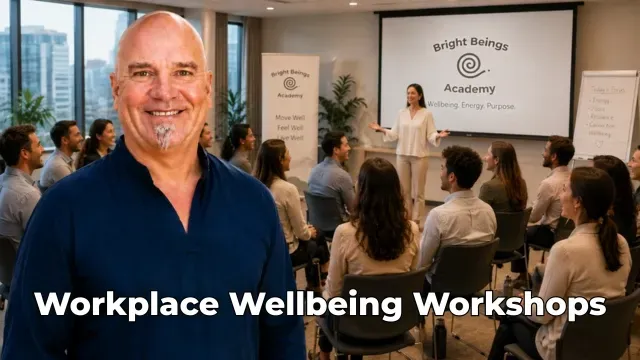
Every organisation is different. A wellbeing initiative that works well for one team may not be the right fit for another.
Services can be delivered as standalone Corporate Wellbeing Workshops, longer-term Corporate Wellbeing Programmes, specialised Leadership and Team Wellbeing initiatives, or dedicated Nervous System Regulation at Work programmes.
The focus is always the same: helping people better understand stress, develop practical wellbeing skills and build greater resilience in both their professional and personal lives.
Workplace Wellbeing Workshops
Practical and engaging workshops designed to help employees better understand stress, wellbeing and nervous system regulation.
These sessions combine evidence-informed wellbeing education with practical exercises that participants can use immediately. Topics may include stress management, emotional resilience, workplace wellbeing, breathing techniques, mindful movement and nervous system regulation.
Workshops can be delivered online or in person and are suitable for wellbeing weeks, team development days and organisational wellbeing initiatives.
Understanding Stress and the Nervous System
Workplace Resilience and Emotional Wellbeing
Breath work for Focus and Stress Recovery
Qi Gong for Workplace Wellbeing
Preventing Burnout in High-Pressure Environments
Practical Tools for Everyday Wellbeing
Workplace Wellbeing Programmes
For organisations seeking a deeper and more sustainable approach, wellbeing programmes provide ongoing support over a number of weeks or months.
Rather than delivering a single event, these programmes help employees gradually develop new skills and wellbeing habits that can support long-term change.
Programmes may combine workshops, group sessions, guided practices and wellbeing resources to create a structured learning experience.
This approach is particularly valuable for organisations looking to strengthen workplace culture, improve employee wellbeing and create lasting wellbeing outcomes.
Leadership and Team Wellbeing
Leaders play a significant role in shaping workplace culture.
When leaders are operating under chronic stress, it can influence communication, decision-making, team dynamics and overall wellbeing across an organisation.
Leadership and team wellbeing sessions focus on helping individuals develop greater self-awareness, emotional regulation and resilience while supporting healthier workplace relationships.
Topics may include stress management, emotional intelligence, nervous system awareness, communication under pressure and sustainable leadership practices.
Wellbeing Events and Wellbeing Weeks
Many organisations choose to introduce wellbeing through a dedicated wellbeing day, wellbeing week or staff development event.
These sessions are designed to be engaging, accessible and suitable for people of all experience levels.
Whether employees are completely new to wellbeing practices or already have experience in this area, sessions are tailored to create an inclusive and supportive experience.
Options can include keynote talks, interactive workshops, breathing sessions, movement-based wellbeing practices and team wellbeing experiences.
A Practical and Human Approach to Wellbeing
Many workplace wellbeing initiatives focus on information alone.
My approach combines education with experience.
Participants do not simply learn about wellbeing. They experience practical techniques that can help calm the nervous system, reduce stress, improve focus and support emotional wellbeing in real time.
The aim is to provide tools that people can continue using long after the workshop or programme has ended.
Are you Ready to explore how workplace wellbeing could support your organisation?
Book a Corporate Wellbeing Discovery Call to discuss your goals, challenges and the most appropriate options for your team.
Who Corporate Wellbeing Services Are For
Corporate wellbeing is not reserved for large organisations with dedicated wellbeing departments.
The most effective wellbeing initiatives are often those that are tailored to the specific needs of the people they are designed to support.
My workplace wellbeing services are suitable for organisations of all sizes and can be adapted for different industries, team structures and workplace environments.
HR and People Teams
Many HR professionals are looking for practical ways to support employee wellbeing while balancing organisational goals and business demands.
Workshops and programmes can complement existing wellbeing strategies by providing employees with practical tools for stress management, resilience and emotional wellbeing.
Leadership Teams
Leaders often carry significant responsibility and pressure.
Supporting leadership wellbeing can help improve communication, decision-making, emotional regulation and overall team culture.
These sessions help leaders understand the impact stress has on performance and provide practical tools for maintaining wellbeing under pressure.
High-Pressure and Fast-Paced Workplaces
Many professionals work in environments where deadlines, workload and constant change are part of daily life.
Corporate wellbeing programmes can help employees better manage pressure, recover from stress and develop healthier ways of responding to challenging situations.
Healthcare, Education and Caring Professions
People who spend their working lives supporting others often face unique wellbeing challenges.
Healthcare professionals, educators, carers and support workers can benefit from practical approaches that help reduce stress, improve resilience and support emotional wellbeing without adding more complexity to already demanding roles.
Small and Medium-Sized Businesses
Smaller organisations may not have dedicated wellbeing departments, yet employee wellbeing remains just as important.
Workshops and wellbeing programmes can provide an accessible and cost-effective way to support teams, improve morale and strengthen workplace culture.
Remote and Hybrid Teams
Remote and hybrid working arrangements can create unique challenges around connection, communication and wellbeing.
Online wellbeing workshops and programmes help distributed teams develop practical wellbeing skills while creating opportunities for shared learning and engagement.
Benefits for Employees and Organisations
Effective workplace wellbeing benefits both individuals and organisations.
When employees feel supported, they are often better able to manage stress, maintain focus and contribute positively to the workplace environment.
Benefits For Employees
Greater awareness of stress and wellbeing
Practical tools for managing pressure
Improved emotional resilience
Better focus and concentration
Increased self-awareness
Enhanced work-life balance
Greater confidence in managing challenging situations
Benefits for Organisations
Improved employee engagement
Stronger workplace culture
Better communication across teams
Reduced wellbeing-related absence
Increased resilience during periods of change
Enhanced employee retention
Demonstrated commitment to employee wellbeing
While every organisation is different, investing in wellbeing sends a powerful message that people matter.
When employees feel valued and supported, both individuals and organisations are more likely to thrive.
Are You Ready To Support Wellbeing In Your Organisation?
Whether you are exploring workplace wellbeing for the first time or looking to strengthen an existing wellbeing strategy, the first step is a conversation.
Together, we can explore the challenges facing your organisation, identify opportunities for improvement and discuss practical wellbeing solutions that align with your goals.
Why Work With Peter Paul Parker?
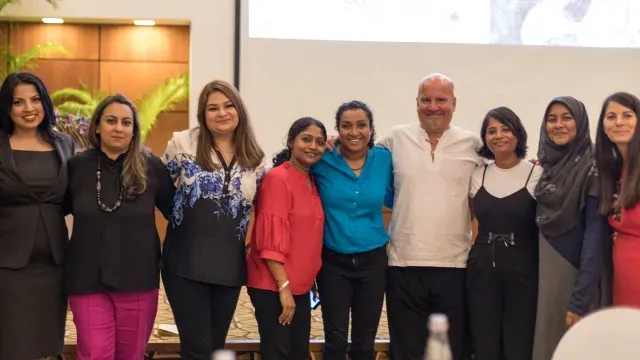
Corporate wellbeing is about more than delivering information.
It is about creating experiences that engage people, encourage reflection and provide practical tools that employees can use in everyday life.
With more than two decades of experience in personal development, mind-body wellbeing and transformational coaching, I bring together evidence-informed wellbeing practices with engaging, practical and accessible delivery.
As a Mind-Body Coach, Qi Gong Instructor and Dahn Master, I have worked with individuals from a wide range of backgrounds, helping them better understand stress, emotional wellbeing, resilience and personal growth.
My approach combines nervous system awareness, practical stress-management techniques, mindful movement, breathing practices and wellbeing education in a way that is grounded, inclusive and suitable for workplace environments.
Experienced Speaker and Facilitator
Delivering a successful wellbeing session requires more than subject knowledge.
It requires the ability to communicate clearly, engage diverse audiences and create an environment where people feel comfortable participating.
Alongside my wellbeing work, I have developed extensive public speaking and leadership experience through Toastmasters International.
As President of Epsom Speakers, I was honoured to receive the organisation's highest presidential recognition for the club, reflecting a commitment to communication, leadership development and service.
This experience continues to influence the way I design and deliver workplace wellbeing sessions, ensuring they are engaging, professional and relevant to the audience in front of me.
International Speaking Experience
My work has also taken me beyond the UK, including opportunities to contribute to international events and wellbeing-focused programmes.
One highlight was being invited to speak and facilitate at an international event in the Maldives, where I shared practical approaches to personal wellbeing, emotional resilience and human development.
Experiences such as these have strengthened my ability to work with diverse groups and adapt wellbeing concepts to different organisational and cultural environments.
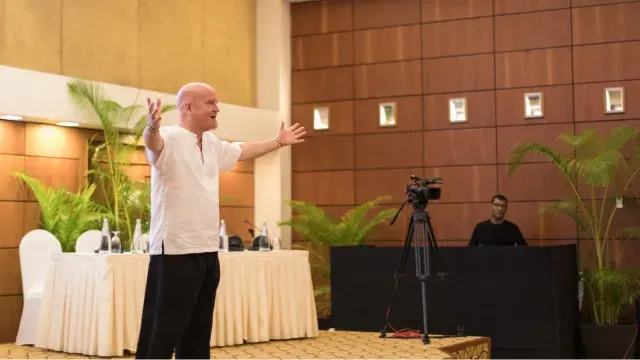
Peter Speaking in the Maldives
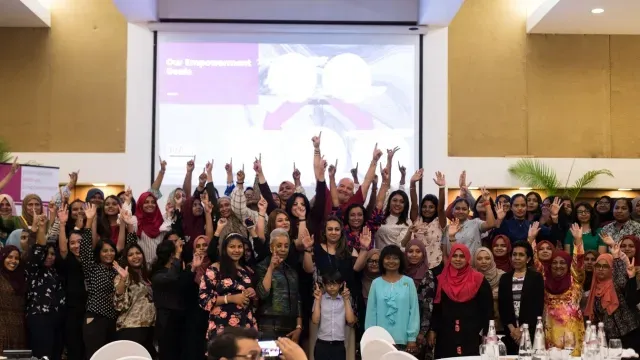
End Of Conference in the Maldives
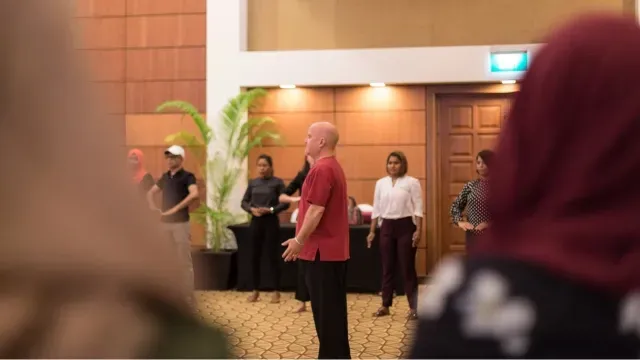
Teaching Qi Gong in the Maldives
A Practical Approach That Employees Can Use Immediately
Many wellbeing sessions inspire people in the moment but leave them wondering what to do next.
My goal is different.
Every workshop, programme and wellbeing session is designed to provide practical tools that employees can begin applying immediately.
Participants leave with a clearer understanding of stress, practical wellbeing strategies and simple techniques that can support wellbeing both inside and outside the workplace.
The focus is always on creating sustainable habits rather than temporary motivation.
What Organisations Value
Organisations often tell me they appreciate the combination of:
Professional and engaging delivery
Practical and accessible wellbeing tools
A calm and approachable facilitation style
Evidence-informed mind-body wellbeing practices
Real-world experience supporting people through stress and change
Sessions that are suitable for complete beginners
A balance between education, experience and practical application
Credentials and Experience
Mind-Body Coach
Qi Gong Instructor
Dahn Master
Corporate Wellbeing Facilitator
Former President of Epsom Speakers (Toastmasters International)
Recipient of Toastmasters Leadership Recognition
International Speaker and Workshop Facilitator
Over 20 years' experience supporting wellbeing, personal development and human potential
What People Say About Working With Peter
Over the years, I have worked with individuals, teams and organisations to support wellbeing, personal development and workplace resilience.
While every organisation is different, the feedback often highlights a common theme: practical tools, engaging delivery and a genuine ability to connect with people.
Supporting Workplace Wellbeing
"KVA invited Peter Paul Parker to deliver a relaxation and de-stressing session for staff. Although delivered online during Covid, it was a very relaxing and empowering experience. Peter showed us how to use simple but highly effective techniques to relax, and the fact that the whole team was doing it together helped build a sense of connection. Highly recommended for work with both individuals and groups."
Alison Ewart
Funding and Organisational Development Lead
Kingston Voluntary Action
Communication, Coaching and Lasting Change
"Peter is serious about bringing about change in people. He succeeds through his empathy, coaching and wellbeing skills. Allied to these excellent skills, he is an outstanding communicator. His clients are at the heart of everything he does."
Patrick Ebbs
Managing Director, ChangEnable Ltd
International Speaking and Facilitation
"Peter was not only a kickstarter at our Maldives retreat for International Women Empowerment Events, but also one of the most appreciated speakers at the event. Participants loved his ability to lift the room when energy was low, help people navigate emotional challenges and create an environment where they felt heard and valued. He empowered people to let go, reconnect with themselves and engage fully in the experience."
Maheen Noor Soomro
Senior HR Director (UKI & EU) | Global HR Business Partnering | People & Culture Leader
Bringing People Together Through Practical Wellbeing
Whether delivering a workplace wellbeing workshop, speaking at an event or facilitating a longer-term programme, my aim is always the same: to create experiences that are engaging, practical and immediately useful.
The goal is not simply to inspire people for an hour. It is to give them tools and experiences they can continue using long after the session has ended.
Frequently Asked Questions About Corporate Wellbeing
What is corporate wellbeing?
Corporate wellbeing refers to the programmes, initiatives and workplace practices designed to support employee physical, mental and emotional wellbeing. Effective corporate wellbeing helps employees manage stress, improve resilience, maintain engagement and contribute positively to workplace culture.
Why is corporate wellbeing important?
Corporate wellbeing is important because employee wellbeing directly influences engagement, productivity, communication, retention and workplace culture. Organisations that invest in wellbeing often create healthier, more resilient workplaces where people can perform at their best without compromising their wellbeing.
What are the four pillars of workplace wellbeing?
While different organisations use different models, workplace wellbeing is commonly viewed through four key pillars:
• Physical wellbeing
• Mental wellbeing
• Emotional wellbeing
• Social wellbeing
A comprehensive wellbeing strategy seeks to support all four areas rather than focusing on just one aspect of wellbeing.
What should be included in a workplace wellbeing strategy?
An effective workplace wellbeing strategy typically includes wellbeing education, stress-management support, leadership engagement, opportunities for movement and recovery, employee feedback, mental health resources and practical wellbeing initiatives that employees can use in their daily lives.
The most successful strategies also recognise the role of the nervous system in stress, resilience and overall wellbeing.
How do you promote wellbeing in the workplace?
Wellbeing is most effective when it becomes part of workplace culture rather than a one-off initiative.
This can include wellbeing workshops, leadership support, wellbeing policies, stress-management programmes, wellbeing events, employee listening initiatives and practical wellbeing skills that employees can apply every day.
Is employee wellbeing part of HR?
HR often plays a leading role in developing and coordinating wellbeing initiatives. However, effective corporate wellbeing requires support from leaders, managers and employees across the organisation.
Workplace wellbeing is most successful when it becomes a shared responsibility rather than being owned by one department alone.
How do you measure wellbeing in the workplace?
Workplace wellbeing can be measured through a combination of employee surveys, engagement scores, retention rates, absence data, wellbeing programme participation and employee feedback.
Many organisations use both quantitative and qualitative measures to understand how wellbeing initiatives are supporting their workforce.
What are examples of workplace wellbeing initiatives?
Examples of workplace wellbeing initiatives include:
• Wellbeing workshops
• Stress-management training
• Mental health awareness sessions
• Employee assistance programmes
• Leadership wellbeing training
• Breath work sessions
• Mindfulness programmes
• Qi Gong and movement-based wellbeing activities
• Team wellbeing events
• Resilience-building programmes
The most effective initiatives are those that provide practical skills employees can continue using long after the session has ended.
What is nervous system regulation and why does it matter at work?
Nervous system regulation refers to the body's ability to respond to and recover from stress.
When employees spend prolonged periods in a state of pressure or overwhelm, it can affect concentration, communication, decision-making and overall wellbeing.
Learning practical nervous system regulation techniques can help employees recover more effectively from stress, improve emotional resilience and maintain greater wellbeing throughout the working day.
What types of corporate wellbeing workshops do you offer?
Workshops can be tailored to the needs of each organisation and may include:
• Workplace stress management
• Nervous system regulation
• Employee resilience
• Emotional wellbeing
• Breath work for focus and recovery
• Burnout prevention
• Workplace wellbeing strategies
• Qi Gong for workplace wellbeing
• Leadership wellbeing and emotional regulation
Sessions can be delivered online or in person and adapted for wellbeing days, wellbeing weeks, conferences, leadership teams and employee development programmes.
Are You Ready To Strengthen Wellbeing In Your Organisation?
Whether you are looking to improve employee wellbeing, reduce workplace stress or develop a more resilient workplace culture, the first step is a conversation.
Together, we can explore your organisation's goals, identify current wellbeing challenges and discuss practical solutions that support both your people and your organisation.