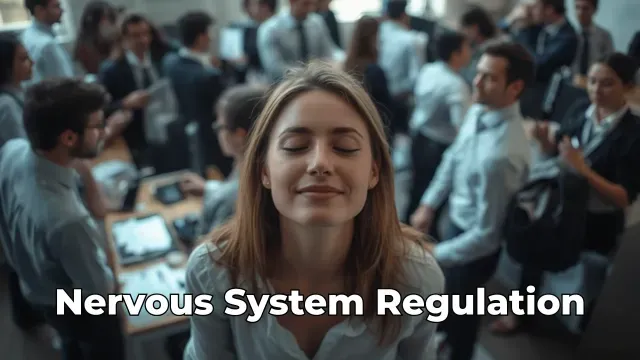
What Is Nervous System Regulation at Work? | Bright Beings Academy
Nervous system regulation at work refers to an employee's ability to respond to pressure, recover from stress, and maintain a sense of balance throughout the working day. It is a key part of resilience, wellbeing, performance, and long-term health.
Many workplace wellbeing initiatives focus on providing information about stress. However, understanding stress and recovering from stress are not always the same thing. This is why more organisations are beginning to explore how the nervous system influences employee wellbeing, workplace culture, and performance.
As part of a wider Corporate Wellbeing approach, nervous system regulation helps employees recognise signs of overload, recover more effectively from pressure, and develop healthier responses to workplace challenges.
In this article, we will explore what nervous system regulation at work means, why it matters, and how organisations can create environments that support greater resilience and wellbeing.
Summary: Nervous system regulation at work is about helping people respond to pressure more effectively and recover from stress more consistently.
"Workplace wellbeing improves when employees have the capacity to recover from stress, not just understand it."
Explore Our Corporate Wellbeing Services
If your organisation is looking to strengthen resilience, improve wellbeing, reduce stress, and create a healthier workplace culture, explore our Corporate Wellbeing Hub.
From workshops and leadership development to nervous system regulation and team wellbeing programmes, you'll find practical solutions designed for modern organisations.
Explore the Corporate Wellbeing Hub

Understood. No separate summary line before the quote.
Why Nervous System Regulation Matters in the Workplace
Modern workplaces can place significant demands on employees. Deadlines, constant communication, changing priorities, and high workloads can all activate the body’s stress response.
A short period of stress is not necessarily harmful. In fact, it can help people focus and perform. Problems often arise when employees remain in a heightened state of stress for extended periods without enough recovery.
When the nervous system spends too much time in survival mode, employees may experience fatigue, irritability, difficulty concentrating, reduced creativity, poor decision-making, and increased absenteeism.
This is one reason why many organisations are looking beyond traditional stress management approaches. As explored in What Is Workplace Wellbeing?, sustainable wellbeing requires more than occasional wellbeing activities. It requires creating conditions that support recovery, resilience, and psychological safety.
Understanding nervous system regulation can also help organisations notice early signs of stress before they develop into burnout, disengagement, or long-term sickness absence.
"Pressure is an inevitable part of working life. The organisations that thrive are often those that help people recover well, not simply endure more stress."
What Happens When the Nervous System Becomes Dysregulated?
The nervous system is designed to help us respond to challenges and return to a balanced state once those challenges have passed. When this process works well, employees can adapt to pressure, recover from setbacks, and maintain their wellbeing.
However, prolonged stress can make this recovery process more difficult. Instead of moving smoothly between periods of activity and recovery, people may become stuck in patterns of overactivation or exhaustion.
In the workplace, this can appear in different ways. Some employees become constantly busy, reactive, and unable to switch off. Others may feel drained, disconnected, unmotivated, or overwhelmed by tasks that previously felt manageable.
These responses are not necessarily signs of weakness, poor attitude, or lack of commitment. They can be signs that the nervous system is struggling to keep pace with ongoing demands.
This is one reason why many traditional workplace wellbeing approaches produce mixed results. Simply encouraging people to work harder, think more positively, or attend a one-off wellbeing event may not address what is happening beneath the surface.
As organisations begin to understand the role of the nervous system, they can create more effective strategies that support both performance and recovery. This approach complements broader wellbeing initiatives discussed in What Is Employee Wellbeing and Why Does It Matter? and What Are the Four Pillars of Workplace Wellbeing?.
"When people remain under pressure for too long without adequate recovery, stress can begin to affect focus, decision-making, motivation, and overall wellbeing. Understanding these responses allows organisations to support employees more effectively and sustainably."
The Link Between Stress Recovery and Employee Resilience
Many organisations talk about resilience as the ability to cope with pressure. While this is partly true, resilience is not simply about enduring more stress or becoming tougher.
True resilience involves the ability to recover.
When employees can return to a balanced state after a challenging meeting, a difficult project, or a period of high workload, they are often able to maintain better performance over time. Without recovery, stress can accumulate and gradually affect energy, focus, communication, and wellbeing.
This is why recovery should be viewed as an essential part of workplace wellbeing rather than a reward that employees earn once all the work is finished.
Recovery can take many forms. It may involve movement, breathing practices, meaningful breaks, supportive conversations, clear boundaries, or simply creating space between periods of intense concentration.
Organisations that understand this principle often build wellbeing into the rhythm of the working day rather than treating it as a separate activity. This aligns closely with the principles explored in How Do You Promote Wellbeing in the Workplace? and What Should Be Included in a Workplace Wellbeing Strategy?.
By supporting recovery as well as performance, organisations can help employees develop greater resilience, reduce the risk of burnout, and sustain their wellbeing over the long term.
"Resilience is not about how much stress people can tolerate. It is about how effectively they can recover, reset, and return to their best after periods of pressure."
How Organisations Can Support Nervous System Regulation
Supporting nervous system regulation does not require organisations to become healthcare providers or therapists. Instead, it involves creating workplace conditions that help employees manage pressure and recover more effectively.
One of the most important factors is psychological safety. Employees are more likely to regulate stress effectively when they feel able to speak openly, ask for support, and raise concerns without fear of criticism or judgement.
Workload management also plays a significant role. Even the most resilient employees can struggle when demands consistently exceed their capacity to recover.
Leaders can further support regulation by encouraging realistic expectations around availability, reducing unnecessary interruptions, and recognising that sustained high performance requires periods of rest and renewal.
Simple wellbeing practices can also make a meaningful difference. Breathwork, movement breaks, mindfulness exercises, and structured wellbeing workshops may help employees become more aware of their stress responses and develop healthier recovery habits.
This is where targeted wellbeing initiatives can complement wider organisational strategies. As explored in Corporate Wellbeing Workshops and Corporate Wellbeing Programmes, sustainable wellbeing is often achieved through a combination of education, practical tools, leadership support, and workplace culture.
Rather than asking employees to simply cope with increasing pressure, organisations can create environments that actively support resilience, recovery, and long-term wellbeing.
"Nervous system regulation is not about removing every challenge from the workplace. It is about creating conditions that help people respond to challenges more effectively and recover from them more consistently."
Benefits of Nervous System Regulation at Work
When employees are better able to regulate their nervous systems, the benefits often extend far beyond stress reduction.
Many people report improved concentration, clearer thinking, and greater emotional balance during the working day. This can support better decision-making, more effective communication, and stronger working relationships.
Teams may also experience fewer conflicts. When people feel less overwhelmed, they are often more able to listen, collaborate, and respond thoughtfully rather than react impulsively.
From an organisational perspective, nervous system regulation may contribute to lower levels of absenteeism, reduced burnout risk, improved employee engagement, and stronger workplace culture.
These benefits are closely connected to broader wellbeing outcomes. As discussed in How Do You Measure Wellbeing in the Workplace?, organisations increasingly recognise that employee wellbeing is linked to productivity, retention, engagement, and long-term business performance.
Importantly, nervous system regulation should not be viewed as a quick fix. Like any aspect of wellbeing, it develops through consistent practice, supportive environments, and healthy workplace habits.
When organisations invest in helping employees manage stress and recover effectively, they are often investing in both human wellbeing and organisational success.
"Employees who feel safer, calmer, and more supported are often better able to think clearly, collaborate effectively, and perform at their best over the long term."
Related Workplace Wellbeing Resources
If you would like to explore additional approaches that support nervous system regulation, resilience, emotional wellbeing, and stress recovery, these resources may be helpful:
Why Stress Management Often Fails in the Workplace — Discover why awareness alone is often not enough to create lasting wellbeing change.
Burnout and the Nervous System: What Every Employer Should Know — Understand how prolonged stress and insufficient recovery can affect wellbeing and performance.
Workplace Resilience Starts in the Body — Learn why resilience depends on recovery, regulation, and nervous system health.
Emotional Regulation for Employees: A Practical Workplace Guide — Explore how emotional regulation supports communication, resilience, and wellbeing.
Emotional Regulation for Leaders: Staying Calm Under Pressure — Discover how emotional regulation influences leadership effectiveness and workplace culture.
Breathwork for Workplace Stress: Simple Techniques for Busy Teams — Learn practical breathing techniques that support recovery, focus, and nervous system regulation.
How the Bright Beings Academy Supports Nervous System Regulation at Work
At the Bright Beings Academy, we believe that workplace wellbeing is most effective when employees are given practical tools they can use in everyday situations.
Our approach combines education, embodied practices, breathwork, movement, and nervous system awareness to help individuals understand how stress affects them and what they can do to recover more effectively.
Through our Nervous System Regulation at Work programmes, organisations can introduce employees to simple and accessible techniques that may support focus, resilience, emotional regulation, and stress recovery.
We also offer Corporate Wellbeing Workshops that provide practical wellbeing experiences for teams, alongside Corporate Wellbeing Programmes that create longer-term wellbeing strategies and support.
For leadership teams, our Leadership and Team Wellbeing services explore how leaders can model healthy stress management, support psychologically safe workplaces, and build cultures that promote sustainable performance.
Rather than focusing solely on stress reduction, our work helps organisations understand the relationship between pressure, recovery, resilience, and wellbeing so that healthier workplace habits can develop over time.
"Workplace wellbeing is not simply about helping people manage stress. It is about helping them build the capacity to recover, adapt, and thrive in the face of ongoing challenges."
Final Thoughts
Nervous system regulation at work is not about eliminating pressure, avoiding responsibility, or creating a stress-free workplace. Every organisation faces challenges, deadlines, and periods of increased demand.
The difference lies in how people respond to those pressures and how effectively they are supported to recover afterwards.
As workplace wellbeing continues to evolve, many organisations are recognising that resilience is not simply a mindset. It is also a physiological process. When employees have the tools, support, and environment needed to regulate stress effectively, they are often better equipped to maintain wellbeing, perform consistently, and contribute positively to workplace culture.
This understanding can help organisations move beyond reactive wellbeing initiatives towards a more sustainable approach that supports both people and performance.
Whether through leadership development, wellbeing programmes, workshops, or everyday workplace practices, investing in nervous system regulation may be one of the most practical ways to support long-term employee wellbeing and organisational resilience.
Support Your Workplace Wellbeing Journey
Creating a healthier workplace is not simply about reducing stress. It is about building an environment where employees can recover effectively, develop resilience, and perform at their best over the long term.
If your organisation is looking to improve employee wellbeing, strengthen resilience, or introduce practical nervous system regulation strategies, the Bright Beings Academy offers a range of services designed to support both employees and leaders.
Explore our services:
Corporate Wellbeing — Learn how a comprehensive wellbeing approach can support employee health, engagement, and resilience.
Nervous System Regulation at Work — Discover practical strategies for helping employees recover from stress and build resilience.
Corporate Wellbeing Workshops — Interactive sessions focused on stress management, resilience, emotional wellbeing, breathwork, and workplace wellbeing.
Corporate Wellbeing Programmes — Longer-term wellbeing solutions designed to support sustainable cultural change.
Leadership and Team Wellbeing — Support leaders in creating healthier, more resilient workplace cultures.
"Small improvements in recovery, resilience, and wellbeing can create meaningful changes for both employees and organisations over time."

Frequently Asked Questions About Nervous System Regulation at Work
What is nervous system regulation at work?
Nervous system regulation at work refers to the ability to respond to workplace pressures in a healthy way and recover from stress effectively. It involves maintaining a balance between periods of activity, focus, challenge, and recovery.
Why is nervous system regulation important for employees?
When employees can regulate stress effectively, they may experience better focus, clearer thinking, improved emotional wellbeing, and greater resilience. This can support both individual wellbeing and workplace performance.
Is nervous system regulation the same as stress management?
Not exactly. Stress management often focuses on reducing or coping with stress. Nervous system regulation goes a step further by helping people understand how their bodies respond to pressure and how they can return to a balanced state after stressful situations.
Can nervous system regulation help prevent burnout?
While no approach can guarantee the prevention of burnout, supporting nervous system regulation may help employees recognise signs of overload earlier and develop healthier recovery habits. This can reduce the likelihood of prolonged stress leading to burnout.
How can organisations support nervous system regulation?
Organisations can support nervous system regulation by promoting psychological safety, encouraging healthy workloads, providing wellbeing education, offering practical wellbeing workshops, and creating a culture that values recovery as well as performance.
What role do leaders play in nervous system regulation?
Leaders play a significant role in shaping workplace culture. By modelling healthy behaviours, communicating clearly, supporting realistic expectations, and encouraging recovery, leaders can help create environments where employees feel safer and more resilient.
Can wellbeing workshops improve nervous system regulation?
Wellbeing workshops may help employees understand stress more effectively and learn practical techniques such as breathwork, movement, mindfulness, and recovery practices. When combined with supportive workplace culture, these tools can contribute to long-term wellbeing.
Further Reading
What Is Workplace Wellbeing? — Understand the foundations of workplace wellbeing and why it matters for both employees and organisations.
What Is Employee Wellbeing and Why Does It Matter? — Explore the different factors that contribute to employee wellbeing and workplace performance.
What Are the Four Pillars of Workplace Wellbeing? — Learn about the key dimensions that support a healthy and sustainable workplace culture.
What Should Be Included in a Workplace Wellbeing Strategy? — Discover the essential components of an effective wellbeing strategy.
How Do You Promote Wellbeing in the Workplace? — Practical ways organisations can encourage healthier workplace habits and behaviours.
How Do You Measure Wellbeing in the Workplace? — Learn how organisations can track wellbeing outcomes and demonstrate impact.
Evidence Sources
World Health Organization (WHO) — Guidance on mental health, workplace wellbeing, and healthy working environments.
Health and Safety Executive (HSE) — UK guidance on managing workplace stress and promoting employee wellbeing.
Chartered Institute of Personnel and Development (CIPD) — Research and best practice on employee wellbeing, workplace culture, and people management.
National Institute for Health and Care Excellence (NICE) — Evidence-based recommendations relating to workplace health and wellbeing.
UK Health Security Agency (UKHSA) — Information on public health, prevention, and workplace wellbeing initiatives.
I look forward to connecting with you in my next post.
Until then, be well and keep shining.
Peter. :)