Balance And Mobility Classes In New Malden For Confidence, Stability And Wellbeing
Balance and mobility classes in New Malden can help people feel steadier, more confident and more comfortable in their bodies, particularly after periods of inactivity, illness, stress, injury or age-related stiffness.
Many people looking for balance and mobility support are not searching for an intense fitness class. They are looking for gentle, accessible movement that supports coordination, posture, flexibility, stability and confidence in everyday life.
The Monday Qi Gong class in New Malden brings these elements together through gentle movement, balance practice, breathing, posture awareness, relaxation and mindful coordination in a calm, beginner-friendly environment.
Qi Gong can be particularly suitable for people seeking low-impact exercise that feels accessible rather than intimidating. Many beginners and adults over 50 appreciate the slower pace, which gives them time to move with greater awareness and gradually rebuild confidence.
“Balance and mobility classes in New Malden do not need to feel physically overwhelming. Gentle movement practices such as Qi Gong offer a calm and supportive way to explore stability, coordination, confidence and wellbeing.”
Balance and Mobility Classes in New Malden: Why They Matter More with Age
As people grow older, balance and mobility often become closely connected to confidence, independence and overall quality of life. Small changes in coordination, posture, joint mobility or physical confidence can gradually affect everyday activities such as walking, climbing stairs, getting out of a chair or simply feeling steady while moving around.
Some people also become more cautious after a fall, injury, illness, fatigue or a long period of inactivity. This can create a difficult cycle in which reduced movement lowers confidence, and lower confidence leads to even less movement over time.
Gentle balance and mobility classes can provide a supportive way to interrupt this cycle by helping people explore movement gradually, consistently and without unnecessary pressure.
Practices such as Qi Gong bring together:
Gentle balance practice.
Slow, controlled movement.
Posture awareness.
Coordination exercises.
Relaxed breathing.
Joint mobility.
Calm nervous system regulation.
This creates a more rounded approach than focusing on physical fitness alone. Many people searching for mobility support also want a form of movement that feels emotionally reassuring rather than physically intimidating.
You may also find these local guides useful:
“Balance and mobility are not only physical concerns. They are closely connected to confidence, independence, emotional wellbeing and feeling safe within the body again.”
How Gentle Movement Supports Balance and Stability
Many people assume that improving balance requires intense exercise or demanding strength training. In reality, gentle and consistent movement can support stability, coordination, posture and body awareness over time.
Balance is influenced by several connected factors, including:
Muscle coordination.
Joint mobility.
Posture and alignment.
Breathing patterns.
Physical tension.
Confidence while moving.
Awareness of the body’s position.
This is why slow, mindful movement practices such as Qi Gong can be so supportive.
Rather than forcing the body through strenuous exercises, Qi Gong encourages people to move with awareness, softness and control. The slower pace gives beginners and older adults time to notice how their body moves, adjust their posture and develop greater confidence in a manageable way.
Stress and physical tension can also affect the way a person stands and moves. Gentle breathing and relaxation practices may help the body feel less restricted, allowing movement to become calmer and more coordinated.
For beginners and adults over 50, this gradual approach can feel safer and more sustainable than fast-paced or highly competitive exercise environments.
You can also explore these related local guides:
“Gentle movement can support balance through greater coordination, body awareness, relaxation, posture and gradual confidence-building rather than force or physical pressure.”
Balance and Mobility Classes in New Malden for Falls Prevention
One of the greatest concerns for many older adults is the fear of falling. Even a small change in balance can affect confidence and cause people to reduce their movement, social activities and everyday independence.
This is why balance and mobility classes in New Malden can form a valuable part of a wider approach to falls prevention and movement confidence.
Gentle practices such as Qi Gong can support:
Stability while standing and walking.
Coordination and posture.
Joint mobility and flexibility.
Awareness of weight shifting and body position.
Calm, controlled movement patterns.
Greater confidence during everyday movement.
For many people, rebuilding confidence is just as important as developing physical balance.
Fear of falling can cause the body to become tense and overly cautious, which may make natural movement feel more difficult. Slow, mindful practice gives people time to explore movement at a comfortable pace while gradually becoming more aware of how they stand, shift their weight and coordinate their bodies.
Qi Gong can also feel more approachable than conventional exercise for people returning to movement after illness, fatigue, injury or a long period of inactivity because the movements are gentle, low impact and adaptable.
Anyone who has experienced a recent fall, unexplained dizziness or a significant change in balance should seek appropriate medical or physiotherapy advice. Qi Gong can complement suitable professional support, but it should not replace diagnosis, treatment or an individual rehabilitation programme.
For more detailed guidance on adapting the practice around blood pressure, joint discomfort or recovery after illness or injury, read Safety and Qi Gong in New Malden: Blood Pressure, Joints and Recovery.
You can also explore these supportive local resources:
Social Prescribing in New Malden: Qi Gong for Over-50s and Chair-Based Exercise
New Malden Qi Gong Testimonials: Real Stories of Balance, Calm and Confidence
“Falls prevention is not only about physical strength. It is also about restoring confidence, improving coordination, reducing fear and helping people feel steadier and safer during everyday movement.”
Why Qi Gong Supports Mobility and Confidence in New Malden
Qi Gong can be particularly supportive for mobility and confidence because the practice works with the body gradually rather than pushing it through aggressive or exhausting movement patterns.
Many people exploring balance and mobility classes in New Malden are not simply looking to exercise more. They may be trying to feel safer, steadier, calmer and more capable during everyday activities.
Qi Gong uses slow, controlled movements that can support:
Better posture and alignment.
Greater joint mobility.
Improved coordination.
Gentle weight shifting and balance awareness.
Relaxed breathing.
Reduced physical tension.
Greater confidence while moving.
The practice encourages people to notice how their body feels rather than focusing on performance. For beginners and older adults, this can create a gentler and more sustainable relationship with movement.
As physical confidence develops, everyday activities may begin to feel more manageable. People may also feel less anxious about moving, particularly when they can practise at their own pace without pressure to keep up with others.
Qi Gong is also adaptable. Many movements can be adjusted for different mobility levels, seated practice or people gradually returning to movement after illness, injury or inactivity.
You may also find these related articles useful:
Best Gentle Exercise Classes in New Malden for Balance, Mobility and Wellbeing
Low-Impact Exercise in New Malden: Compare Qi Gong, Chair Exercise and Gentle Movement
Gentle Exercise Classes in New Malden for Balance, Mobility and Calm
“Qi Gong supports mobility and confidence by helping people move more calmly, steadily and comfortably rather than through force or physical pressure.”
The Emotional Side Of Mobility And Movement Confidence
Mobility challenges do not only affect the body. They can also affect confidence, independence, emotional wellbeing, and social connection.
Many people begin avoiding activities they once enjoyed because they feel physically uncertain, anxious about falling, embarrassed about stiffness, or worried about keeping up with others. The Emotional Side of Mobility and Movement Confidence in New Malden
Mobility challenges do not only affect the body. They can also influence confidence, independence, emotional wellbeing and social connection.
Some people begin avoiding activities they once enjoyed because they feel physically uncertain, anxious about falling, embarrassed by stiffness or worried about keeping up with others. Over time, this can lead to greater isolation, reduced confidence and even less physical activity.
This is why emotionally supportive movement environments matter.
Gentle balance and mobility classes can help people feel encouraged rather than judged. A calm and welcoming atmosphere gives participants space to rebuild confidence gradually, without pressure to perform or move beyond what feels comfortable.
Qi Gong can be particularly supportive because it brings together gentle movement, breathing, relaxation, mindful awareness and nervous system regulation. Many people find that they leave a session feeling mentally calmer as well as physically looser and more settled.
The community aspect can also make a meaningful difference. Practising alongside other people in a supportive local class may help movement feel safer, more enjoyable and easier to maintain over time.
To explore how regular group practice, familiar faces and gentle accountability can make movement easier to continue, read Community, Accountability and Calm: The Power of a Local Class.
For many people, this emotional reassurance becomes just as important as the physical practice itself.
You can explore more local wellbeing resources here:
New Malden Qi Gong Testimonials: Real Stories of Balance, Calm and Confidence
New Malden Lunchtime Stress Reset: Breathing and Gentle Movement
Social Prescribing in New Malden: Qi Gong for Community Wellbeing
For participant reflections from the separate Qi Gong and sound-healing workshop in nearby Long Ditton, read Qi Gong & Sound Healing Testimonials: Real Stories from Long Ditton.
“Mobility and balance are closely connected to emotional wellbeing and confidence. A supportive movement environment can help people feel safer, calmer and more capable in everyday life.”
Final Thoughts on Balance and Mobility Classes in New Malden
Balance and mobility classes in New Malden can offer far more than physical exercise alone. For many people, they provide a supportive pathway towards greater steadiness, confidence, independence, emotional wellbeing and quality of life.
Gentle movement practices such as Qi Gong offer a low-impact way to explore coordination, posture, flexibility, balance and movement confidence gradually. The slower pace gives people time to reconnect with their bodies without feeling pressured, rushed or overwhelmed.
Many people searching for balance and mobility support are simply looking for movement that feels safe, manageable and encouraging. Small, consistent steps can create meaningful changes when movement is approached gently and sustainably.
Feeling steadier physically can also help people feel calmer and more confident emotionally.
“Balance and mobility classes in New Malden can support more than movement alone. They can help people feel steadier, safer and more confident in everyday life.”
Next Steps: Join Balance and Mobility Classes in New Malden
If you are looking for balance and mobility classes in New Malden that feel gentle, beginner-friendly and supportive, the Monday Qi Gong class at Bright Beings Academy offers a calm and welcoming place to begin.
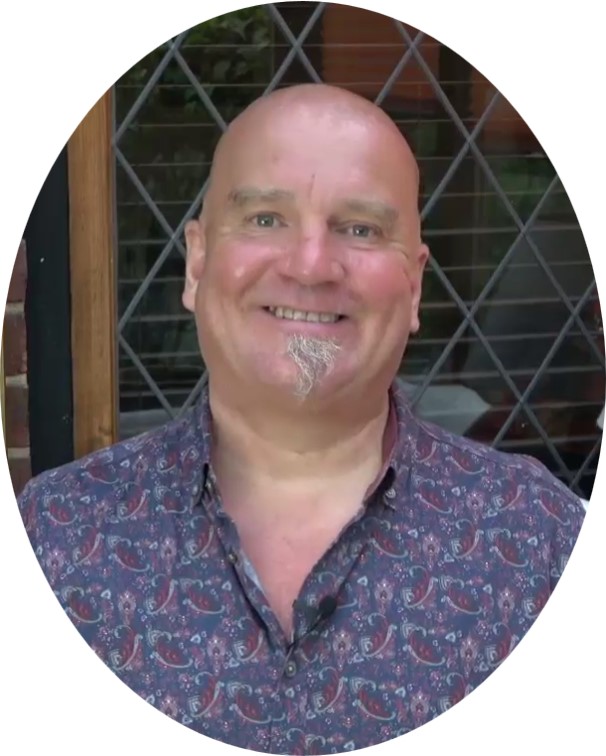
The sessions are taught by Peter Paul Parker, founder of Bright Beings Academy, Dahn Master, Qi Gong instructor, sound healer and international Qi Gong champion at the Kookhak Qi Gong International Championship in South Korea.
Peter’s teaching focuses on accessibility, movement confidence, nervous system regulation, emotional wellbeing and helping people feel safe while gradually rebuilding balance and mobility.
The classes may be particularly supportive for people seeking help with:
Balance and coordination.
Mobility and flexibility.
Falls-prevention support.
Confidence while moving.
Gentle movement after inactivity.
Stress reduction and relaxation.
Low-impact exercise for beginners and adults over 50.
You can explore the current class information here:
Monday Qi Gong Classes in New Malden
If attending the Monday class is difficult because of your schedule, health, travel or personal commitments, Bright Beings Academy also offers guided online Qi Gong practice that can be accessed from home.
Explore Live Online Qi Gong Classes
“The next step does not need to feel overwhelming. A gentle local class or supportive online practice can provide a calm and manageable way to begin moving with greater confidence.”
Frequently Asked Questions About Balance and Mobility Classes in New Malden
What are the best balance and mobility classes in New Malden?
The most suitable balance and mobility class is one that supports stability, coordination, posture, flexibility and confidence in a gentle and reassuring environment. Many people choose Qi Gong because it combines low-impact movement with breathing, relaxation and mindful balance practice.
Are balance and mobility classes suitable for adults over 50?
Yes. Gentle balance and mobility classes can be suitable for adults over 50 who want to feel steadier, maintain mobility and move with greater confidence. Suitability depends on each person’s health, mobility and individual needs rather than age alone.
Can gentle exercise support better balance?
Gentle movement practices such as Qi Gong can support coordination, posture, body awareness, flexibility and controlled movement patterns. These qualities all contribute to balance and everyday movement confidence.
Are the New Malden Qi Gong classes beginner-friendly?
Yes. The Monday Qi Gong classes in New Malden are designed to be accessible to beginners. Movements are introduced gradually, and participants are encouraged to work at a pace that feels comfortable for them.
Can balance classes help rebuild confidence after a fall?
Gentle movement may help people gradually rebuild trust in their bodies after a fall or period of reduced confidence. Anyone who has experienced a recent fall, unexplained dizziness or a significant change in balance should seek appropriate medical or physiotherapy advice before beginning a new class.
Is Qi Gong suitable for mobility and stiffness?
Qi Gong uses slow, controlled movement that can support joint mobility, posture, flexibility and body awareness. Many people appreciate that the movements can be explored gently without forcing the body.
Are seated balance and mobility exercises available?
Some Qi Gong movements can be adapted for chair-based practice. Anyone who expects to remain seated throughout the session should contact the class provider before attending to confirm that the current class arrangements are suitable.
You can also read:
Seated Qi Gong in New Malden: Chair-Based Exercise and Gentle Movement
Can I join online if I cannot attend the New Malden class?
Yes. Bright Beings Academy also offers guided live online Qi Gong classes for people who prefer to practise from home.
Explore Live Online Qi Gong Classes
Where can I find the current New Malden class details?
The current timetable, venue, price and attendance information are available on the class page:
Monday Qi Gong Classes in New Malden
Further Reading About Gentle Exercise and Qi Gong in New Malden
Best Gentle Exercise Classes in New Malden for Balance, Mobility and Wellbeing — Compare gentle local options, including yoga, Pilates, Tai Chi, walking groups, chair exercise and Qi Gong.
Exercise Classes in New Malden for Over-50s: Gentle Movement, Balance and Wellbeing — Explore exercise options that support mobility, confidence, posture and long-term wellbeing for adults over 50.
Beginner Exercise Classes in New Malden: Gentle and Safe Ways to Start — A reassuring guide for anyone returning to movement or beginning exercise for the first time.
Low-Impact Exercise in New Malden: Compare Qi Gong, Chair Exercise and Gentle Movement — Discover accessible ways to support flexibility, coordination and movement confidence without strenuous exercise.
Gentle Exercise Classes in New Malden for Balance, Mobility and Calm — Explore the wider local pathway for gentle movement, beginner support and mobility-focused practice.
Gentle Exercise Classes in New Malden: Qi Gong for Over 50s — Learn how Korean-style Qi Gong can offer an accessible and supportive approach to movement for adults over 50.
Qi Gong vs Tai Chi in New Malden: A Simple Guide for Beginners — Understand the differences between Qi Gong and Tai Chi, including their pace, accessibility and suitability for beginners.
Social Prescribing in New Malden: Qi Gong for Over-50s and Chair-Based Exercise — Explore how gentle movement can complement local community wellbeing and social-prescribing pathways.
New Malden Qi Gong Testimonials: Real Stories of Balance, Calm and Confidence — Read experiences from local participants exploring mobility, confidence and wellbeing through Qi Gong.
New Malden Lunchtime Reset: Three Breathing Techniques to Feel Calm — Discover simple breathing practices that can support relaxation and a calmer return to movement.
Seated Qi Gong in New Malden: Move Safely at Your Pace — Learn about accessible chair-based movement for people who need a gentler approach to mobility and balance.
I look forward to connecting with you in my next post.
Until then, be well and keep shining.
Peter. :)
I look forward to connecting with you in the next post.
Until then, be well and keep shining.
Peter. :)