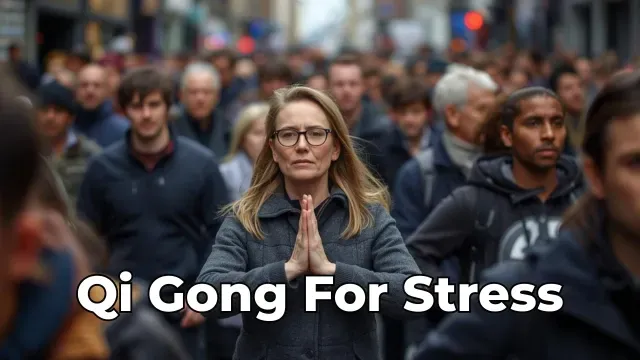
Qi Gong for Stress: Calm the Mind, Relax the Body
Qi Gong for stress is a gentle practice that helps calm the mind, relax the body and create a greater sense of balance in everyday life.
Many people live with tight shoulders, racing thoughts, poor sleep, shallow breathing and a feeling that they can never fully switch off. Over time, this constant state of tension can leave both the body and mind feeling exhausted.
Qi Gong for stress helps by combining gentle movement, relaxed breathing and focused awareness. Rather than fighting stress or trying to force yourself to relax, the practice encourages the body to release tension naturally. As the body settles, the mind often begins to settle too.
One of the reasons so many people are drawn to Qi Gong is its simplicity. You do not need to be fit, flexible or experienced. Even a few minutes of practice can create a noticeable shift in how you feel, helping you become more present, grounded and calm.
At its heart, Qi Gong is about creating harmony between body, breath and mind. If you are new to the practice, begin with What Is Qi Gong? Origins, Principles & Benefits to understand the foundations and why this ancient practice continues to support modern wellbeing.
"Qi Gong for stress works by helping the body release tension, the breath become deeper and the mind become quieter. With regular practice, many people discover that calm becomes easier to access both during practice and throughout daily life."
Learn Qi Gong at home at the Bright Beings Academy
5 ⭐⭐⭐⭐⭐ Rating On Google Reviews

How Qi Gong Helps Reduce Stress Naturally
Stress affects far more than our thoughts. It can influence our breathing, posture, muscle tension, sleep quality and even how we respond to everyday situations.
When we feel stressed, the body often prepares itself for action. Breathing becomes shallower, muscles tighten, and the mind becomes focused on potential problems or threats. While this response can be useful in genuine emergencies, many people remain stuck in this state for long periods of time.
Qi Gong offers a different experience.
Through slow, mindful movement and gentle breathing, Qi Gong encourages the body to move away from tension and towards relaxation. The movements are not designed to exhaust the body. Instead, they help release physical tightness, improve body awareness and encourage a steadier breathing pattern.
This is one reason many practitioners report feeling calmer after a session. Rather than trying to think their way out of stress, they are giving the body an opportunity to experience a different state.
Many traditional Qi Gong systems also view stress as a disruption to the smooth flow of energy throughout the body. While this language comes from traditional Eastern medicine, many people find the experience relatable. When stress builds, we often feel stuck, tense or disconnected. Gentle movement can help restore a greater sense of ease and flow.
If you would like to understand more about how Qi Gong supports physical and emotional wellbeing, The Healing Power of Qi Gong: Ancient Practice, Modern Benefits explores these principles in greater depth.
"Qi Gong helps reduce stress by working with the body first. Through movement, breathing and awareness, it creates opportunities for tension to soften, breathing to deepen and a greater sense of calm to emerge naturally."
The Connection Between Stress, Breathing and the Nervous System
One of the first things stress changes is the way we breathe.
When we feel overwhelmed, worried or under pressure, breathing often becomes quicker and shallower. Over time, this can reinforce feelings of tension and make it harder for the body to return to a relaxed state.
Qi Gong places great importance on breathing because the breath acts as a bridge between the body and the mind. When breathing becomes slower and more natural, many people notice that their muscles begin to relax and their thoughts become less reactive.
Unlike some breathing methods that require precise counts or complex techniques, many Qi Gong practices simply encourage gentle awareness of the breath while moving. This makes the practice accessible to beginners and easier to sustain over the long term.
Modern research has also shown growing interest in how breathing practices may support nervous system regulation and heart rate variability (HRV), both of which are associated with resilience and recovery from stress. This is one reason Qi Gong is increasingly being explored within wellbeing and health settings.
For a deeper look at the role of breath in Qi Gong, see Qi Gong Breathing Techniques: Unlock the Power of Your Breath. You may also find Qi Gong Evidence: What Research Says About Mental Health, HRV and Heart Health helpful if you would like to explore the growing body of research.
"Stress and breathing influence each other continuously. Qi Gong helps break this cycle by encouraging slower, more natural breathing patterns that support relaxation, resilience and nervous system balance."
Simple Qi Gong Practices for Stress Relief
One of the greatest strengths of Qi Gong is that it does not require long practice sessions to be effective.
Many people begin with just five or ten minutes a day. A few gentle movements, combined with relaxed breathing and awareness, can help interrupt the cycle of stress and create a sense of calm that carries into the rest of the day.
Practices such as body tapping, gentle stretching, mindful arm movements and slow breathing exercises are commonly used to release physical tension and restore a feeling of balance. These movements are easy to learn and can often be adapted to suit different ages, fitness levels and abilities.
Consistency is usually more important than intensity. A short daily practice often produces greater benefits than an occasional longer session. Over time, the body begins to recognise these moments of calm and relaxation more easily.
Many students notice that the effects of practice start extending beyond the session itself. They find themselves breathing more deeply during stressful situations, responding more calmly to challenges and recovering more quickly after demanding days.
If you would like to try a simple routine, 5 Simple Qi Gong Exercises To Ease Stress At Home provides an excellent starting point. Beginners may also find Start Qi Gong at Home helpful when building a sustainable daily practice.
"The most effective Qi Gong practice for stress is often the one you can do consistently. Even a few minutes each day can help create meaningful changes in how your body and mind respond to pressure."
Why Consistency Matters More Than Intensity
When people first discover Qi Gong, they often ask how long they need to practise to experience the benefits.
The answer is usually simpler than they expect.
Qi Gong is not about pushing harder, practising longer or achieving perfect movements. It is about creating regular opportunities for the body and mind to experience a calmer, more balanced state.
Stress is rarely created by a single difficult moment. More often, it develops through repeated patterns of tension, worry, rushing and overthinking. In the same way, restoring balance is often the result of small positive actions repeated consistently over time.
This is one of the reasons Qi Gong has remained relevant for thousands of years. The practice is designed to fit into daily life. A short morning routine, a few minutes during a lunch break or a calming evening practice can all contribute to better stress management.
As your practice becomes more familiar, many of the benefits begin to appear outside of formal sessions. You may notice yourself catching tension earlier, taking deeper breaths naturally or responding to challenges with greater patience and clarity.
If you are looking for ways to build a sustainable routine, Morning Qi Gong Routine for Energy, Clarity and Calm and Evening Qi Gong Routine: Calm Your Body and Wind Down Naturally can help you establish a rhythm that works with your lifestyle.
"Qi Gong is not a quick fix for stress. Its real power comes from regular practice, allowing calm, balance and resilience to develop naturally through small daily actions."
Can Qi Gong Help With Chronic Stress and Burnout?
Occasional stress is a normal part of life. Chronic stress is different.
When stress continues for weeks, months or even years, it can begin to affect energy levels, sleep, concentration, mood and overall wellbeing. Many people reach a point where they no longer feel stressed in the traditional sense. Instead, they feel tired, disconnected, overwhelmed or emotionally drained.
This is where Qi Gong can be particularly valuable.
Rather than demanding more effort from an already exhausted system, Qi Gong encourages a slower and more restorative approach. The gentle movements, mindful breathing and relaxed focus create an opportunity for the body to recover from the constant pressure that often accompanies long-term stress.
Many practitioners describe Qi Gong as a form of active rest. Unlike sitting still and trying to relax, the body remains gently engaged while the mind becomes quieter and more settled. This combination can be especially helpful for people who find traditional meditation difficult when they are feeling overwhelmed.
It is important to remember that recovery from chronic stress is rarely instant. Progress often happens gradually. Small improvements in sleep, energy, mood and resilience can build over time, creating a stronger foundation for long-term wellbeing.
If stress has already progressed into exhaustion or burnout, you may also find Qi Gong for Burnout and Exhaustion: Refill Your Energy Gently helpful. Those experiencing low mood alongside chronic stress may benefit from reading Qi Gong for Depression & Low Mood: A Kind Approach.
"Chronic stress often leaves people feeling depleted rather than simply tense. Qi Gong offers a gentle way to support recovery by helping the body restore energy, improve resilience and reconnect with a sense of calm."
Qi Gong for Stress in Everyday Life
One of the reasons Qi Gong continues to grow in popularity is that it can be practised almost anywhere.
You do not need a special studio, expensive equipment or large amounts of free time. Many people integrate Qi Gong into their existing routine, using it as a way to create small moments of calm throughout the day.
A few minutes in the morning can help you start the day feeling more centred. A short practice during a lunch break can help release accumulated tension. Gentle evening movements can provide a transition from a busy day into a more restful evening.
This flexibility makes Qi Gong particularly useful for modern lifestyles. Rather than adding another task to an already crowded schedule, it can become a practical tool for managing stress as it arises.
Some people prefer a standing practice, while others benefit from seated routines. The most important factor is finding an approach that feels accessible and sustainable. A practice that fits naturally into your life is far more likely to become a long-term habit.
If you spend much of your day sitting, Chair Qi Gong for Office Workers: Simple Seated Routine for Posture, Energy and Focus offers practical ideas. You may also enjoy Seated Qi Gong: Gentle Movements for Calm, Mobility and Daily Energy if you are looking for a softer approach to daily practice.
"Qi Gong does not need to be complicated to be effective. Small, regular moments of movement and mindful breathing can help bring greater calm and balance into even the busiest days."
What to Expect When You Start Practising Qi Gong for Stress
Many people come to Qi Gong hoping for immediate relief from stress, and some do notice positive changes quite quickly.
It is common to feel calmer, breathe more deeply or experience a sense of relaxation after a single session. Some people notice reduced muscle tension, while others report feeling more focused and mentally clear.
However, the most meaningful benefits often develop through regular practice.
As the body becomes more familiar with the movements and breathing patterns, it can become easier to recognise when stress is building and respond before it becomes overwhelming. This growing awareness is one of the reasons many long-term practitioners continue to make Qi Gong part of their daily routine.
It is also important to approach the practice with patience. Every person is different. Some people experience noticeable shifts within days, while others find the changes emerge more gradually over several weeks or months.
The goal is not perfection. It is simply to create a regular practice that supports your wellbeing and gives your body opportunities to move away from stress and towards balance.
If you are just beginning your journey, How to Learn Qi Gong Online provides a practical starting point. You may also find Your First Online Qi Gong Class: What To Expect helpful if you would like guidance from an experienced instructor.
"Most people begin Qi Gong seeking relief from stress. What often keeps them practising is discovering greater calm, awareness and resilience in many other areas of life as well."
Is Qi Gong Better Than Other Stress Management Techniques?
There is no single stress-management method that works for everyone.
Some people find meditation helpful. Others prefer walking, yoga, mindfulness exercises or breathing techniques. Each approach offers unique benefits and can play an important role in supporting wellbeing.
What makes Qi Gong different is that it combines several of these elements into a single practice.
Rather than focusing only on the mind, Qi Gong brings together movement, breathing and awareness. This can make it easier for people who struggle to sit still or find traditional meditation challenging when they are feeling stressed.
The gentle movements help release physical tension, the breathing supports relaxation and the mindful focus encourages a greater sense of presence. For many people, this combination feels more accessible than trying to work with thoughts alone.
Qi Gong can also complement other wellbeing practices. Many practitioners combine it with meditation, counselling, therapy, exercise or mindfulness as part of a broader approach to health and stress management.
The most important question is not whether Qi Gong is better than every other technique. It is whether it is a practice that feels sustainable and supportive for you. A simple practice that you enjoy and continue doing will almost always be more beneficial than a perfect system that you never use.
If you are interested in how Qi Gong compares with other mind-body practices, Qi Gong vs Tai Chi vs Yoga: Which Practice Fits You Best? explores the differences in more detail.
"Qi Gong combines movement, breathing and mindful awareness in a way that many people find both accessible and effective. Rather than replacing other wellbeing practices, it can become a valuable part of a balanced approach to managing stress."
Final Thoughts
Stress is an unavoidable part of life, but living in a constant state of tension does not have to be.
Qi Gong offers a simple and practical way to reconnect with your body, calm your mind and create moments of balance throughout the day. Through gentle movement, mindful breathing and regular practice, many people discover that they can respond to life's challenges with greater ease and resilience.
You do not need to be flexible, experienced or particularly fit to begin. The real benefits come from showing up consistently and allowing small changes to build over time.
Whether your goal is to feel calmer, sleep better, improve your focus or simply create more space in your day, Qi Gong provides a gentle path towards greater wellbeing.
"The journey from stress to calm rarely happens overnight. Yet small, consistent practices can create meaningful change, helping you feel more grounded, balanced and connected to yourself over time."
Next Steps
Understanding how Qi Gong helps with stress is valuable. Experiencing it for yourself is where the real transformation begins.
If you are new to the practice, our 7-Day Qi Gong for Beginners Course provides a simple and structured introduction to the foundations of Qi Gong. You will learn gentle movements, breathing techniques and daily practices designed to help you feel calmer, more balanced and more connected to your body.
Whether you are looking to reduce stress, improve your wellbeing or build a sustainable self-care practice, this beginner-friendly course offers an accessible place to start.
Start the 7-Day Qi Gong for Beginners Course
If you would like continued guidance after completing the course, the Bright Beings Academy membership pathway offers support for every stage of your journey. The membership options shown below provide opportunities to deepen your practice through additional training, live classes, community support, mentoring and professional development pathways.
Frequently Asked Questions About Qi Gong for Stress
Does Qi Gong really help with stress?
Many people find that Qi Gong helps reduce feelings of stress by combining gentle movement, relaxed breathing and mindful awareness. Regular practice may help release physical tension, calm the mind and support a greater sense of balance throughout the day.
How often should I practise Qi Gong for stress?
Consistency is usually more important than duration. Even 5–10 minutes per day can be beneficial. A short daily practice often produces better results than occasional longer sessions.
What is the best Qi Gong practice for stress relief?
There is no single best practice for everyone. Gentle flowing movements, breathing exercises, standing meditation and mindful walking are all commonly used to support stress reduction. The most effective practice is usually the one you enjoy and can maintain regularly.
Can beginners use Qi Gong for stress?
Yes. Qi Gong is well suited to beginners because the movements are generally gentle, adaptable and easy to learn. Most people can begin regardless of age, fitness level or previous experience.
How quickly can Qi Gong reduce stress?
Some people feel calmer after a single session, while others notice changes more gradually over several weeks of practice. The deeper benefits typically develop through consistent practice over time.
Is Qi Gong better than meditation for stress?
They are different rather than better or worse. Meditation is often practised sitting still, whereas Qi Gong combines movement, breathing and awareness. Many people who find sitting meditation difficult discover that Qi Gong provides a more accessible way to calm the mind and relax the body.
Can Qi Gong help with work-related stress?
Many practitioners use Qi Gong to manage workplace stress. Short practices before work, during breaks or in the evening can help reduce physical tension, improve focus and create a greater sense of calm during busy periods.
Is Qi Gong safe if I feel overwhelmed or highly stressed?
Qi Gong is generally a gentle practice and can often be adapted to suit individual needs and abilities. If you have a medical condition or concerns about exercise, it is always sensible to seek appropriate professional guidance before starting a new wellbeing practice.
Further Reading
What Is Qi Gong? Origins, Principles & Benefits
A complete introduction to Qi Gong, including its history, principles and the reasons it continues to support health and wellbeing today.
The Healing Power of Qi Gong: Ancient Practice, Modern Benefits
Explore how Qi Gong may support physical, emotional and mental wellbeing through regular practice.
Qi Gong for Anxiety: Calm Your Mind with Gentle Movement
Learn how Qi Gong can help when stress develops into persistent worry, nervousness or anxiety.
Qi Gong Breathing Techniques: Unlock the Power of Your Breath
Discover simple breathing methods that can help calm the nervous system and support relaxation.
5 Simple Qi Gong Exercises To Ease Stress At Home
A practical guide featuring beginner-friendly movements that can be used as part of a daily stress-relief routine.
Qi Gong for Mental Clarity and Focus: Calm Your Mind Naturally
Explore how Qi Gong can help reduce mental clutter, improve concentration and create a greater sense of calm.
Qi Gong for Burnout and Exhaustion: Refill Your Energy Gently
A supportive guide for those experiencing long-term stress, fatigue and emotional exhaustion.
Qi Gong Evidence: What Research Says About Mental Health, HRV and Heart Health
An evidence-based overview of the growing body of research investigating Qi Gong and wellbeing.
I look forward to connecting with you in my next post.
Until then, be well and keep shining.
Peter. :)