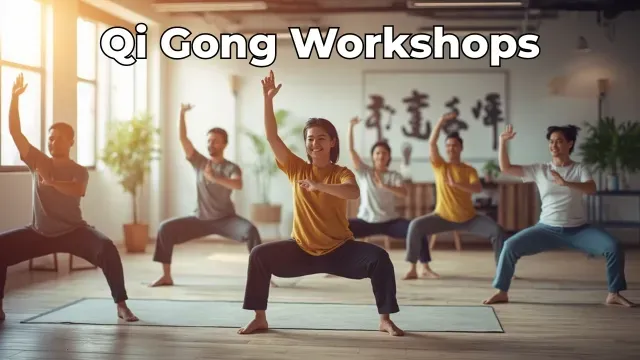
Corporate Qi Gong Workshops for Employee Wellbeing
Corporate Qi Gong workshops are structured workplace wellbeing sessions that use gentle movement, breathing exercises, and mindful awareness to help employees manage stress, improve focus, and build resilience.
As organisations continue to look for practical ways to support employee wellbeing, many are moving beyond traditional wellbeing initiatives and exploring approaches that address both physical and mental wellbeing together. Qi Gong offers a simple and accessible way to do this.
Unlike high-intensity exercise programmes, Qi Gong can be adapted for almost any workplace setting. Sessions can be delivered in meeting rooms, conference spaces, online environments, or even as desk-based practices for busy teams.
Many organisations include Qi Gong as part of a wider wellbeing strategy alongside workshops on resilience, emotional regulation, and stress management. When integrated into a broader wellbeing approach, it can support the goals outlined in a strong workplace wellbeing programme.
If you are exploring ways to improve employee wellbeing across your organisation, our Corporate Wellbeing hub explains the wider picture, while our Corporate Wellbeing Workshops page explores the different wellbeing sessions available for teams and leaders.
In this guide, we will explore what corporate Qi Gong workshops involve, how they support employee wellbeing, and why more organisations are introducing body-based wellbeing practices into the workplace.
"Corporate wellbeing is often most effective when people learn skills they can use long after the workshop has ended."
Explore Our Corporate Wellbeing Services
If your organisation is looking to strengthen resilience, improve wellbeing, reduce stress, and create a healthier workplace culture, explore our Corporate Wellbeing Hub.
From workshops and leadership development to nervous system regulation and team wellbeing programmes, you'll find practical solutions designed for modern organisations.
Explore the Corporate Wellbeing Hub
What Happens During a Corporate Qi Gong Workshop?
A corporate Qi Gong workshop is designed to be simple, practical, and accessible for employees of all fitness levels.
Most workshops begin with a brief introduction to stress, wellbeing, and the connection between the mind and body. Participants then learn a series of gentle movements, breathing techniques, and awareness exercises that can be applied both during and after the session.
The focus is not on athletic performance or physical achievement. Instead, participants learn how to recognise tension, improve body awareness, regulate breathing, and create moments of calm within a busy working day.
A typical workshop may include:
Gentle standing or seated Qi Gong movements
Breath work exercises
Techniques for reducing physical tension
Focus and concentration practices
Energy management strategies
Simple routines employees can use at their desks
Many organisations combine Qi Gong workshops with wider wellbeing initiatives such as emotional regulation training and workplace resilience programmes. These approaches often complement one another because they address both the mental and physical aspects of stress.
This is particularly relevant when supporting teams experiencing high workloads, organisational change, or ongoing workplace pressures. Our Nervous System Regulation at Work programme explores this connection in greater depth and helps employees understand how stress affects the body and behaviour.
One of the reasons Qi Gong works well in workplace settings is that employees do not need specialist equipment, fitness clothing, or previous experience. The techniques are simple enough to learn during a workshop and practical enough to use throughout the working week.
"The most valuable wellbeing tools are often the ones employees can use independently long after the training session has finished."
Why Qi Gong Supports Employee Wellbeing
Many workplace wellbeing initiatives focus primarily on information. Employees may learn about stress, resilience, or mental health, but they are not always given practical tools to help them change how they feel in the moment.
Qi Gong takes a different approach.
It combines movement, breathing, and awareness practices that help employees reconnect with their bodies while developing greater self-awareness. This can be particularly valuable in workplaces where people spend long periods sitting, working under pressure, or moving quickly from one task to another.
When people experience stress, the effects are often felt physically as well as mentally. Common signs include muscle tension, shallow breathing, mental fatigue, irritability, reduced concentration, and difficulty switching off after work.
Qi Gong provides employees with practical techniques that may help reduce some of these effects by encouraging slower breathing, gentle movement, and greater awareness of physical tension patterns.
This body-first approach aligns closely with modern workplace wellbeing strategies that recognise the importance of both physical and psychological wellbeing. It also complements many of the principles discussed in What Is Workplace Wellbeing? and What Is Employee Wellbeing and Why Does It Matter?.
For organisations seeking a preventative approach to wellbeing, Qi Gong can become a valuable part of a wider wellbeing culture rather than simply a one-off intervention.
Employees often report that they leave sessions feeling calmer, more focused, and better able to manage the demands of their day. While experiences vary from person to person, these outcomes are consistent with the broader goal of helping employees build sustainable wellbeing habits.
"Employee wellbeing improves when people are given simple practices they can use during the moments they need them most."
The Business Benefits of Corporate Qi Gong Workshops
While employee wellbeing is an important goal in its own right, organisations are also interested in how wellbeing initiatives influence performance, engagement, and workplace culture.
When employees are experiencing ongoing stress, organisations often see higher levels of absenteeism, presenteeism, fatigue, communication difficulties, and reduced productivity. These challenges can affect individuals, teams, and leaders alike.
Corporate Qi Gong workshops offer a practical way to help employees develop skills that support their wellbeing throughout the working day. Rather than adding another task to an already busy schedule, Qi Gong encourages employees to pause, breathe, and reconnect with their physical and mental state.
Many organisations introduce Qi Gong workshops as part of broader wellbeing programmes because they are easy to implement and accessible to a wide range of employees. Sessions can be delivered as standalone workshops, wellbeing event activities, conference sessions, leadership retreats, or as part of ongoing wellbeing support.
Qi Gong may also support several workplace wellbeing objectives, including:
Improving employee engagement
Supporting workplace resilience
Encouraging healthier stress management habits
Promoting focus and concentration
Creating opportunities for recovery during the working day
Demonstrating organisational commitment to wellbeing
These benefits align closely with the goals discussed in How Do You Promote Wellbeing in the Workplace? and What Should Be Included in a Workplace Wellbeing Strategy?.
Importantly, Qi Gong is not intended to replace other wellbeing initiatives. Instead, it works best as part of a wider wellbeing strategy that addresses leadership, culture, communication, psychological safety, and employee support.
"The strongest wellbeing strategies combine knowledge with practical skills that employees can use every day."
Why Qi Gong Is Different from Traditional Workplace Wellness Activities
Many workplace wellness activities focus on education, awareness campaigns, or short-term interventions. While these can be valuable, employees are often left knowing what they should do without necessarily knowing how to do it when stress levels rise.
Qi Gong bridges this gap by providing a direct experience rather than simply delivering information.
Instead of discussing stress, employees learn simple practices that help them notice physical tension, regulate breathing, and reconnect with the present moment. This practical element is one reason Qi Gong has remained relevant for centuries and continues to attract interest in modern wellbeing settings.
Another advantage is accessibility.
Unlike some workplace wellbeing activities, Qi Gong does not require a high level of fitness, specialist equipment, changing facilities, or previous experience. Exercises can often be adapted for standing, seated, hybrid, and remote working environments.
This makes it particularly useful for organisations with diverse teams where employees have varying levels of mobility, confidence, and experience with wellbeing practices.
Qi Gong also complements many of the approaches discussed in Workplace Resilience Starts in the Body and What Is Nervous System Regulation at Work?. Rather than viewing wellbeing as purely mental, these approaches recognise the important role the body plays in how people respond to pressure, change, and challenge.
For many employees, a five-minute breathing and movement practice can feel more achievable than adding another item to an already full to-do list. Small, consistent actions often create greater long-term impact than complex wellbeing plans that are difficult to maintain.
"Wellbeing becomes sustainable when people are given practical tools that fit naturally into everyday working life."
Which Organisations Can Benefit from Corporate Qi Gong Workshops?
Corporate Qi Gong workshops can be adapted to suit a wide range of organisations, industries, and workforce groups.
They are particularly valuable in environments where employees experience sustained pressure, high levels of concentration, frequent change, or emotionally demanding work. In these settings, even short wellbeing interventions can provide employees with practical tools for managing stress and maintaining performance.
Organisations that commonly benefit from Qi Gong workshops include:
Corporate offices
Professional services firms
Healthcare providers
Educational institutions
Local authorities
Charities and non-profit organisations
Customer service teams
Hybrid and remote workforces
Qi Gong can also be tailored to different audiences within the same organisation.
For example, a workshop for frontline employees may focus on stress recovery and energy management, while a leadership workshop may place greater emphasis on emotional regulation, resilience, and maintaining calm under pressure.
This flexibility allows Qi Gong to complement broader wellbeing initiatives such as Leadership and Team Wellbeing programmes and employee wellbeing strategies.
It can also support organisations that are looking for practical wellbeing activities rather than purely educational sessions. Employees often appreciate learning techniques they can use immediately before presentations, difficult conversations, meetings, or periods of increased workload.
The goal is not to turn employees into Qi Gong practitioners. The goal is to equip them with simple skills that help them navigate workplace challenges more effectively.
"The most effective wellbeing programmes meet people where they are and provide tools they can use in the realities of everyday work."
Delivering Qi Gong Workshops in Modern Workplaces
One of the strengths of Qi Gong is its flexibility. Workshops can be delivered in a variety of formats to suit different organisational needs, budgets, and working arrangements.
For organisations with office-based teams, sessions can be delivered on-site as part of wellbeing days, leadership events, team development programmes, or regular wellbeing initiatives.
For hybrid and remote teams, online workshops provide an accessible alternative. Employees can participate from home or from different office locations while still learning practical wellbeing techniques together.
Workshops can also vary in length depending on the organisation's objectives. Some businesses choose a short introduction session as part of a wellbeing event, while others integrate Qi Gong into longer-term wellbeing programmes that support sustainable behaviour change.
Common delivery options include:
Wellbeing awareness days
Lunch-and-learn sessions
Team development events
Leadership retreats
Conference wellbeing sessions
Ongoing wellbeing programmes
Virtual wellbeing workshops
Staff resilience initiatives
Many organisations find that combining Qi Gong with broader wellbeing support creates the greatest impact. For example, Qi Gong workshops may sit alongside Corporate Wellbeing Programmes, resilience training, emotional regulation workshops, or nervous system regulation sessions.
This integrated approach helps employees understand wellbeing from multiple perspectives while giving them practical tools they can use every day.
The result is often a wellbeing strategy that feels less theoretical and more actionable for employees and leaders alike.
"Workplace wellbeing becomes more effective when support is flexible enough to meet the needs of different teams and working environments."
Why Workplace Wellbeing Needs a Body-Based Approach
Many workplace wellbeing initiatives focus on thoughts, behaviours, and communication skills. These areas are important, but they only tell part of the story.
Stress is not experienced solely in the mind. It is also experienced in the body.
When employees face ongoing pressure, deadlines, organisational change, or demanding workloads, the effects can often be seen physically through tension, fatigue, poor posture, shallow breathing, restlessness, and difficulty recovering after work.
This is one reason organisations are becoming increasingly interested in body-based wellbeing approaches.
Practices such as Qi Gong, breathwork, and nervous system regulation help employees develop greater awareness of how stress shows up physically. Once employees can recognise these patterns, they are often better positioned to respond before stress becomes overwhelming.
This body-first perspective is explored further in Why Stress Management Often Fails in the Workplace and Burnout and the Nervous System: What Every Employer Should Know.
Rather than waiting until employees reach a point of exhaustion, body-based wellbeing practices encourage regular moments of recovery throughout the day. Even brief periods of movement and conscious breathing can help employees reset their attention and reconnect with a sense of balance.
For organisations seeking sustainable wellbeing solutions, this preventative approach can be just as important as providing support when problems arise.
Qi Gong fits naturally within this model because it combines movement, breathing, awareness, and recovery into a single practice that can be adapted to almost any workplace setting.
"The earlier employees learn to recognise the physical signs of stress, the easier it becomes to support wellbeing before burnout develops."
Related Workplace Wellbeing Resources
If you would like to explore additional approaches that support workplace wellbeing, resilience, stress management, and employee wellbeing, these resources may be helpful:
Qi Gong for Workplace Wellbeing: A Practical Guide — Learn how Qi Gong supports workplace wellbeing, focus, and employee health.
Qi Gong for Workplace Stress and Employee Resilience — Explore how Qi Gong helps employees manage pressure and build resilience.
Desk-Based Qi Gong for Office Workers — Discover simple workplace-friendly Qi Gong exercises that employees can use throughout the working day.
Breathwork for Workplace Stress: Simple Techniques for Busy Teams — Learn practical breathing techniques that support calm, focus, and emotional regulation.
Workplace Resilience Starts in the Body — Understand why resilience is closely connected to physical recovery and nervous system regulation.
How the Bright Beings Academy Supports Corporate Wellbeing
At the Bright Beings Academy, we believe workplace wellbeing is most effective when employees are given practical skills they can use in real working environments.
Our corporate Qi Gong workshops are designed to be accessible, engaging, and relevant to the challenges faced by today's workforce. Rather than focusing on theory alone, participants learn simple techniques that can support focus, resilience, emotional regulation, and stress recovery.
Workshops can be delivered as standalone wellbeing sessions or integrated into wider organisational wellbeing strategies.
Many organisations choose to combine Qi Gong workshops with our broader corporate wellbeing services, including Corporate Wellbeing Workshops, Corporate Wellbeing Programmes, Leadership and Team Wellbeing, and Nervous System Regulation at Work.
These services work together to help organisations move beyond one-off wellbeing activities and towards a more sustainable approach to employee wellbeing and performance.
Workshops are suitable for employees, managers, leadership teams, and mixed workforce groups. Sessions can be delivered in person or online and adapted to the needs of the organisation.
Drawing on decades of experience in Qi Gong, personal development, wellbeing education, and public speaking, Peter Paul Parker brings a practical and accessible approach that helps employees engage with wellbeing without feeling overwhelmed by complex theory or jargon.
The goal is simple: provide employees with tools they can realistically use during the working day to support their wellbeing, resilience, and performance.
"Corporate wellbeing creates the greatest impact when practical skills, supportive leadership, and sustainable habits work together."
Final Thoughts
Corporate Qi Gong workshops offer organisations a practical and accessible way to support employee wellbeing in today's demanding workplace.
By combining gentle movement, breathing techniques, and mindful awareness, Qi Gong provides employees with skills they can apply during real working situations rather than only during dedicated wellbeing sessions.
As organisations continue to prioritise wellbeing, resilience, and sustainable performance, body-based approaches are becoming an increasingly important part of the conversation. Employees do not simply think their way through stress. They experience it physically, emotionally, and mentally.
This is why practical wellbeing tools matter.
Whether delivered as a standalone workshop or as part of a wider wellbeing strategy, Qi Gong can help employees develop greater awareness, improve recovery, and build habits that support long-term wellbeing.
For organisations seeking a wellbeing approach that is inclusive, adaptable, and easy to implement, corporate Qi Gong workshops offer a valuable addition to the wider wellbeing toolkit.
Support Your Workplace Wellbeing Journey
Supporting employee wellbeing requires more than good intentions. It requires practical tools, consistent support, and a wellbeing strategy that employees can engage with in meaningful ways.
At the Bright Beings Academy, we offer a range of workplace wellbeing services designed to help organisations improve resilience, reduce stress, and support healthier workplace cultures.
If you are exploring wellbeing support for your organisation, these services may be a helpful next step:
Corporate Wellbeing — Explore our overall approach to workplace wellbeing, employee resilience, and organisational wellbeing.
Corporate Wellbeing Workshops — Discover practical workshops that support stress management, emotional wellbeing, resilience, breathwork, and Qi Gong.
Corporate Wellbeing Programmes — Learn how longer-term wellbeing programmes can create sustainable change across teams and organisations.
Leadership and Team Wellbeing — Support leaders and teams with wellbeing strategies that improve communication, resilience, and workplace culture.
Nervous System Regulation at Work — Understand how stress affects employees and learn practical approaches that support regulation and recovery.
Whether you are planning a wellbeing day, leadership event, staff development programme, or wider organisational wellbeing strategy, corporate Qi Gong workshops can form part of a practical and sustainable approach to employee wellbeing.
Frequently Asked Questions About Corporate Qi Gong Workshops for Employee Wellbeing
What are corporate Qi Gong workshops for employee wellbeing?
Corporate Qi Gong workshops for employee wellbeing are structured workplace wellbeing sessions that use gentle movement, breathing techniques, and mindful awareness to help employees manage stress, improve focus, and build resilience. They are designed to be accessible to people of all ages and fitness levels.
How do corporate Qi Gong workshops for employee wellbeing help employees manage stress?
Corporate Qi Gong workshops for employee wellbeing help employees develop practical skills that may support stress management. Through breathing exercises, gentle movements, and increased body awareness, employees learn techniques they can use throughout the working day to reduce tension and improve focus.
Do corporate Qi Gong workshops for employee wellbeing require previous experience?
No. Corporate Qi Gong workshops for employee wellbeing are suitable for complete beginners. Employees do not need any prior experience, special equipment, or particular level of fitness. Exercises can be adapted to suit a wide range of abilities.
How long do corporate Qi Gong workshops for employee wellbeing usually last?
Corporate Qi Gong workshops for employee wellbeing can be delivered in a variety of formats. Sessions may range from 45-minute lunch-and-learn workshops to 90-minute wellbeing events, half-day programmes, or ongoing wellbeing initiatives depending on organisational requirements.
Can corporate Qi Gong workshops for employee wellbeing be delivered online?
Yes. Corporate Qi Gong workshops for employee wellbeing can be delivered both in person and online. This makes them suitable for office-based, hybrid, and remote teams. Employees can participate from almost any location while learning practical wellbeing techniques together.
Are corporate Qi Gong workshops for employee wellbeing suitable for leadership teams?
Yes. Corporate Qi Gong workshops for employee wellbeing can be tailored for leaders and managers. Leadership-focused sessions often place greater emphasis on emotional regulation, resilience, self-awareness, and maintaining calm during periods of pressure and organisational change.
How often should organisations offer corporate Qi Gong workshops for employee wellbeing?
Some organisations choose a single workshop as part of a wellbeing event, while others incorporate regular sessions into wider wellbeing programmes. Ongoing practice often provides employees with more opportunities to build sustainable wellbeing habits and reinforce what they have learned.
Can corporate Qi Gong workshops for employee wellbeing be included in a workplace wellbeing strategy?
Absolutely. Corporate Qi Gong workshops for employee wellbeing work particularly well when combined with broader wellbeing initiatives such as resilience training, leadership development, nervous system regulation programmes, and wider workplace wellbeing strategies.
Summary: Corporate Qi Gong workshops for employee wellbeing provide practical, accessible, and flexible wellbeing support that can benefit employees, leaders, and organisations alike.
Further Reading
What Is Workplace Wellbeing? A Complete Guide for Employers — Learn the foundations of workplace wellbeing and why it plays an important role in employee health, engagement, and performance.
What Is Employee Wellbeing and Why Does It Matter? — Explore the key elements of employee wellbeing and how they influence workplace outcomes.
How Do You Promote Wellbeing in the Workplace? — Discover practical ways organisations can encourage wellbeing across teams and departments.
What Should Be Included in a Workplace Wellbeing Strategy? — Understand the essential components of an effective workplace wellbeing strategy.
What Is Nervous System Regulation at Work? — Learn how the nervous system influences stress, performance, resilience, and recovery in the workplace.
Why Stress Management Often Fails in the Workplace — Explore why information alone is often not enough and why practical approaches can be more effective.
Burnout and the Nervous System: What Every Employer Should Know — Understand the relationship between workplace stress, burnout, and employee wellbeing.
Workplace Resilience Starts in the Body — Discover why resilience is not only a mental skill but also a physical one.
Breathwork for Workplace Stress: Simple Techniques for Busy Teams — Learn simple breathing techniques that can support employee wellbeing and focus.
Qi Gong for Workplace Wellbeing: A Practical Guide — Explore how Qi Gong can be integrated into workplace wellbeing initiatives and organisational wellbeing strategies.
Evidence Sources
World Health Organization — Provides international guidance on workplace health, wellbeing, and mental health promotion.
Health and Safety Executive — Offers UK workplace stress management standards and employer wellbeing guidance.
Chartered Institute of Personnel and Development — Publishes research and practical resources on employee wellbeing and workplace culture.
National Institute for Health and Care Excellence — Provides evidence-based guidance relating to workplace health and wellbeing interventions.
UK Health Security Agency — Supports public health initiatives and workplace health improvement programmes across the UK.
I look forward to connecting with you in my next post.
Until then, be well and keep shining.
Peter. :)