Sound Healing Tone Generators
Explore free, browser-based tools for working with pure tones, binaural beats, isochronic tones, colour noise and sound-based meditation.
The Bright Beings Academy sound generators allow you to listen to individual frequencies, combine selected tones and create simple sound sessions for meditation, reflection, focused listening or personal exploration.
People respond to sound in different ways. You may find certain tones soothing, grounding, stimulating or simply interesting to explore, but no particular response is guaranteed. Traditional, spiritual and symbolic associations are explained where relevant without presenting them as established scientific effects.
Each generator includes practical instructions and safety guidance. Begin at a low, comfortable volume, keep your first session short and stop if you experience discomfort.
Would you prefer a more guided introduction using voice, tuning forks, Tibetan singing bowls and energy chimes?
What To Expect From The Bright Beings Academy Sound Generators
The collection includes a range of tools for exploring sound in different ways:
Pure tones, musical intervals, frequency combinations and harmonic drones.
Binaural beats, isochronic tones and amplitude-modulated sound.
Solfeggio tones, chakra tones, colour noise and other themed sound collections.
Timers, gentle fades, volume controls and selected session presets.
Clear instructions to help you understand and use each generator comfortably.
Safety guidance for volume, listening time, headphones and sound sensitivity.
Some tools draw upon traditional, spiritual, musical or symbolic systems. These associations are offered as frameworks for personal exploration rather than as scientifically proven effects.
Listening tip: Headphones are required to hear binaural beats as intended. Speakers can be used for pure tones, colour noise, isochronic tones and amplitude-modulated sound.
What Is the Difference Between the Sound Types?
Pure tones
A pure tone is a single, steady frequency, such as 528 Hz.
It sounds like a smooth, continuous note or drone. Pure tones can be used as musical reference tones, as a background for meditation or as part of a personal sound practice.
Pure tones can be played through speakers or headphones. Because a continuous tone may feel intense at higher levels, begin quietly and adjust the volume gradually.
Binaural beats
A binaural beat is created by playing slightly different frequencies into each ear. For example, one ear might receive 400 Hz while the other receives 406 Hz.
When heard through stereo headphones, the listener may perceive a gentle rhythmic effect corresponding to the difference between the two frequencies. In this example, the difference is 6 Hz.
Binaural beats require stereo headphones to work as intended. They are often explored during meditation, relaxation or focused listening, although individual responses vary and specific mental or health effects are not guaranteed.
Isochronic tones
An isochronic tone is a single sound that pulses on and off at a regular rate.
The pulses are usually more noticeable than a binaural beat and may sound clear, rhythmic or repetitive. Headphones are not required, so isochronic tones can be played through speakers.
Some listeners find strong pulsing uncomfortable. Start with a short session at a low volume and stop if the sound causes tension, dizziness, headache or irritation.
Amplitude-modulated sound
Amplitude modulation gently raises and lowers the volume of a continuous tone at a chosen rate.
This creates a rhythmic effect without completely switching the sound on and off. It can be played through speakers or headphones and may feel smoother than an isochronic pulse.
A gentle listening reminder
There is no single sound type that is best for everyone. Choose the method that feels most comfortable, keep the volume modest and allow your own experience to guide the length of your session.
Explore the Sound Generators
Choose a tool according to the type of sound you would like to explore. Each generator opens in your browser and includes its own controls, instructions and listening guidance.
Begin quietly, keep your first session short and notice how you respond. The descriptions below explain what each tool produces and the traditions or ideas it draws upon without promising a particular outcome.
Explore individual and combined Solfeggio tones for meditation, reflection and personal sound practice.
Explore tones associated with the seven-chakra system for meditation, visualisation and personal practice.
Create binaural, isochronic or amplitude-modulated sound sessions using selected pulse rates and carrier tones.
Explore rhythmic 40 Hz sound as a personal listening tool rather than a clinical or therapeutic treatment.
Listen to white, pink, brown and other colour noises for sound masking, quiet listening or personal routines.
Explore tones inspired by the ten Sefirot of the Kabbalistic Tree of Life as a symbolic meditation practice.
Earth, Cosmos & Natural Orders
Earth’s resonant modes (7.83 Hz and harmonics) with optional carriers (OM 136.10, Neutral 220, Warm 256).

Explore the classic planetary frequency set (Sun–Pluto) via the Cosmic Octave approach—useful for intention setting, ritual, and seasonal practice.
Gently translate light qualities into calming, contemplative tone scapes.
Musical Tuning And Drones
A gentle 432 Hz tone for heart-centred calm, reflection and quiet focus. Soft fades and timers for easy sessions.
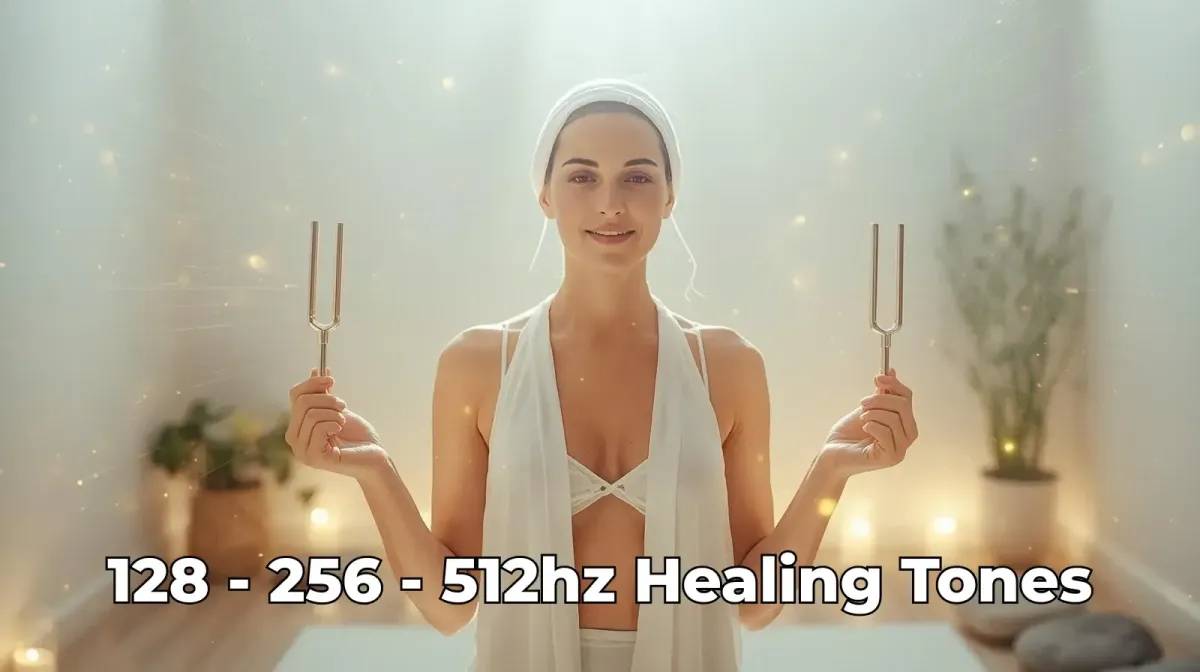
Classic tuning-fork tones as pure audio. Ground with 128 Hz, centre with 256 Hz (C), and add bright clarity with 512 Hz—use solo or as a soft octave blend.

Classic tuning-fork tones as pure audio. Ground with 128 Hz, centre with 256 Hz (C), and add bright clarity with 512 Hz—use solo or as a soft octave blend.
Qi Gong and Symbolic Energy Systems
Frequencies mapped to your three brain modes—settle Root, soothe Fire, expand Flow.
Balance the core energy centres used in Korean Qi Gong to restore vitality and presence.
Explore a pentatonic tone set inspired by traditional Five Element, seasonal and emotional correspondences.
Breath & Rhythm Tools
Follow a gentle audio rhythm for slow, even breathing, with adjustable pacing and optional background tones.
Builders & Designers (For Advanced Users)
Create pulsing tones with adjustable frequency, pulse depth, timing and fade controls for personal sound exploration.
Create stereo binaural beats by adjusting the carrier tone and frequency difference between the left and right ears.
Why Bright Beings Academy Audio Tools?
Free and browser-based: Use the generators on a modern desktop or mobile browser without installing additional software.
Simple controls: Begin with accessible presets or adjust frequencies, pulse rates, timing and other settings where available.
Different listening methods: Explore pure tones, binaural beats, isochronic tones, amplitude modulation, colour noise and harmonic combinations.
Gentle session features: Selected tools include timers, gradual fades and volume controls to support a comfortable listening experience.
Personal exploration: Choose sounds according to your interests, preferences and response rather than expecting one method to suit everyone.
Traditional and symbolic frameworks: Explore systems such as Solfeggio tones, chakras, the Five Elements and planetary mappings with clear distinctions between interpretation and established evidence.
Safety guidance: Each tool includes practical information about comfortable volume, listening time, headphones and when to stop.
Continue Your Sound Healing Journey
Guided Sound Healing Learning
Explore Sound Healing Foundations
Discover a six-week guided home-study mentorship using voice, tuning forks, Tibetan singing bowls and energy chimes.
Explore the Complete Sound Healing Pathway
Explore Sound Healing courses, tools and resources
Compare free tools, educational guides, focused courses and guided learning at Bright Beings Academy.
Learn More About Sound Healing
Read Sound Healing: The Complete Guide
Build a grounded understanding of sound, listening practices, instruments, evidence and safety.
Focused Sound Healing Courses
Explore Chakra Toning with Healing Sounds
Explore Chakra Meditations with Healing Sounds
Explore Solfeggio Tones for Healing
Sound and Qi Gong
Explore how sound and Qi Gong can support one another
Discover the natural meeting point between sound, breath, movement and embodied awareness.
Frequently Asked Questions on Sound Generators
Do I need headphones?
Headphones are required for binaural beats because each ear must receive a slightly different tone. Pure tones, isochronic tones, amplitude-modulated sounds and colour noise can be played through speakers or headphones.
How long should I listen?
There is no universal listening time. Begin with a short session of around five to ten minutes at a low, comfortable volume. Continue only while the sound feels comfortable, and take regular breaks during longer sessions.
What’s the difference between binaural and isochronic?
Binaural beats use slightly different frequencies in the left and right ears, creating a perceived rhythmic difference when heard through stereo headphones.
Isochronic tones use a single sound that pulses on and off at a regular rate. They do not require headphones and can be played through speakers.
Can I use the sound generators every day?
You may use them regularly if the volume remains comfortable and you experience no unwanted effects. Daily use is not necessary, and longer or more frequent sessions are not automatically more beneficial.
Stop listening if you experience headache, dizziness, nausea, irritation, increased ringing in the ears or any other discomfort.
What’s special about 40 Hz?
Forty hertz falls within the gamma range of measured brain activity and is being studied in several areas of neuroscience.
Research is continuing, and a browser-based 40 Hz generator should not be treated as a clinical device, medical treatment or proven way to improve memory, concentration or brain health.
432 Hz vs 440 Hz—what should I choose?
Neither tuning reference is inherently better for health or wellbeing.
A4 at 440 Hz is the widely used modern concert-pitch standard. Some listeners prefer music or tones tuned around 432 Hz, but claims that it has unique healing properties are not currently supported by dependable evidence. Choose according to your listening preference.
What is resonant breathing?
Resonant breathing is a slow, steady breathing practice, often explored at approximately five to six breaths per minute.
Slow breathing may influence heart-rate variability and can feel settling for some people, but the most comfortable pace varies. Do not strain, hold the breath or continue if you feel light-headed or uncomfortable.
Can these generators treat a health condition?
No. The generators are provided for education, meditation and personal sound exploration. They are not medical devices and should not be used to diagnose, treat, cure or prevent a physical or mental-health condition.
Seek appropriate professional support for symptoms, distress or health concerns that require care.
Go Deeper with Guided Sound Healing
The tone generators offer a free way to explore sound, but you may be ready for more structured guidance using your own voice and sound instruments.
Sound Healing Foundations is a six-week guided home-study mentorship exploring vocal toning, tuning forks, Tibetan singing bowls and energy chimes. The programme includes three one-to-one calls with Peter and is designed to help you create a safe, meaningful and sustainable personal sound practice.
Sound Healing Foundations is currently being developed. You can explore the programme and register your interest without payment or any obligation to enrol.
Disclaimer & Safety Notice
These sound generators are provided for education, meditation and personal sound exploration. They are not medical devices and are not intended to diagnose, treat, cure or prevent any physical or mental-health condition. They are not a substitute for professional medical advice, diagnosis or treatment.
Use the generators only in a safe setting. Do not listen while driving, cycling, operating machinery, crossing roads or doing anything else that requires your full attention.
Begin at a low, comfortable volume and keep your first session short. Listening risk is affected by both volume and duration, so take regular breaks and avoid increasing the volume to overpower background noise.
Stop listening immediately if you experience ear pain or pressure, dizziness, nausea, headache, agitation, disorientation, changes in hearing or increased ringing in the ears. Do not resume until the discomfort has fully settled. Seek appropriate medical or audiological advice if symptoms persist or return.
If you experience tinnitus, hyperacusis, hearing loss, migraines, epilepsy, seizures or sensitivity to rhythmic sound, approach these tools with additional care and seek professional guidance when uncertain. If you know that particular sounds, music or rhythms can trigger seizures, do not use rhythmic sound generators without advice from your clinician.
Binaural beats require stereo headphones to work as intended. The other generators can generally be played through speakers or headphones. Never use headphones in situations where you need to remain aware of your surroundings.
Your response to sound is personal.
Choose only tones and listening methods that feel comfortable, and stop whenever a practice does not feel right for you.
© Bright Beings Academy. All rights reserved.
Are you ready to feel lighter, calmer, stronger?
Join a live Korean Qi Gong class or start with our free membership. Simple steps. Real change.


